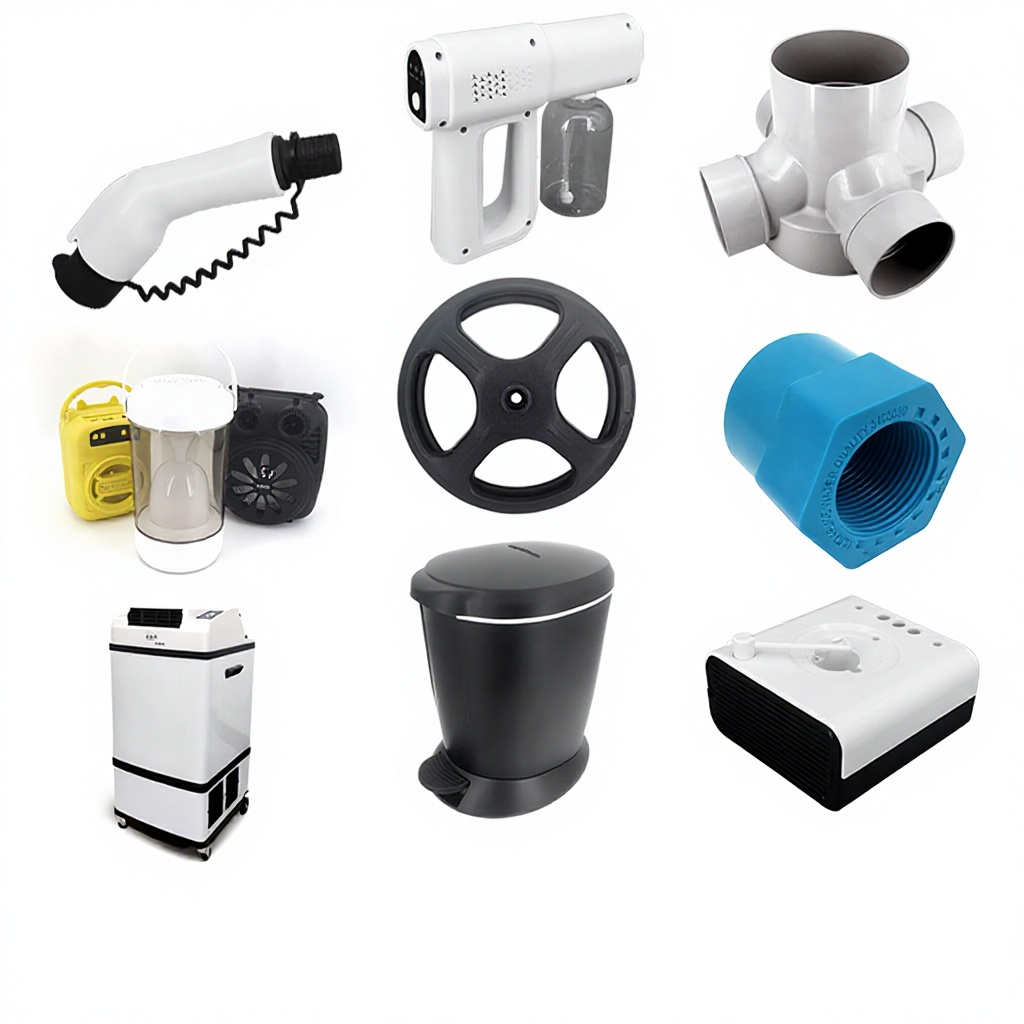
다축 CNC 가공 이는 플라스틱 부품의 표면이 복잡하거나, 위치 관계가 정밀해야 하거나, 단순한 3축 가공 경로로 처리하기에는 설정 단계가 너무 많은 경우에 해당됩니다. 목표는 무조건 가장 첨단 기계를 사용하는 것이 아니라, 취급 오류를 줄이고, 가공 부위에 대한 접근성을 높이며, 부품 품질을 안정적으로 유지하는 것입니다.
맞춤형 플라스틱 부품의 경우, 지그 교체로 인해 공차 위험이 발생하거나 부품을 회전시키지 않고는 형상 가공이 어려운 상황에서 다축 가공이 유용합니다. Nylon Plastic은 견적 제출 전에 모델을 검토하여 가장 효율적인 축 가공 전략을 제안해 드립니다.
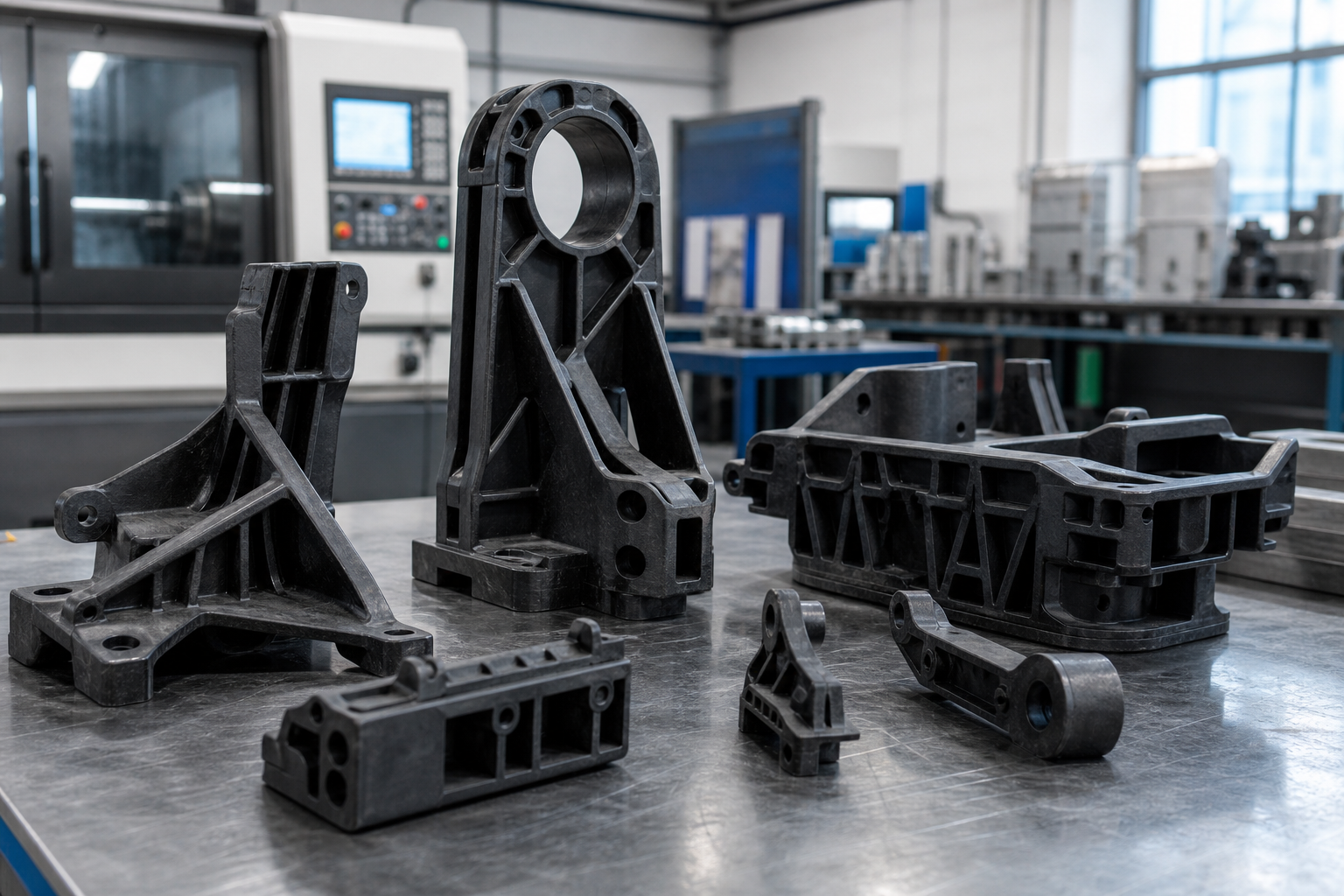
한눈에 보기
| 경로 | 최상의 대상 | 주요 상충 관계 | Project Check |
|---|---|---|---|
| 3축 | 간단한 평면 부품 및 기본 포켓 | 복잡한 형상에 대한 추가 설정 | 반복적인 고정 작업이 공차에 영향을 미치는지 확인하십시오 |
| 4축 | 인덱싱된 측면 기능 및 회전식 접근 방식 | 여전히 자유형 접속에 제한이 있습니다 | 원통형 또는 다면체 부품에 유용합니다 |
| 5축 | 복잡한 형상과 설정 작업의 간소화 | 높아진 기계 비용과 프로그래밍 요구 사항 | 부품 품질이 충분히 향상되어 그만한 가치가 있을 때 가장 좋습니다 |
다축 CNC 가공이 적합한 경우
부품의 여러 면을 가공해야 하거나, 깊은 복합 각도가 필요하거나, 구성 요소 간의 정밀한 위치 관계가 요구되는 경우, 축을 추가하면 설비 전환 횟수를 줄이고 일관성을 높일 수 있습니다. 이는 플라스틱 부품의 경우 특히 중요한데, 반복적인 클램핑으로 인해 얇은 벽면이 뒤틀리거나 부드러운 소재의 구성 요소가 어긋날 수 있기 때문입니다.
5축 가공이 항상 비용이 더 저렴한 것은 아니지만, 대안으로 여러 개의 고정 장치를 사용해야 하거나 취급 시간이 길어지거나 공차 오류가 누적될 경우, 5축 가공이 오히려 위험이 적은 방법이 될 수 있습니다.
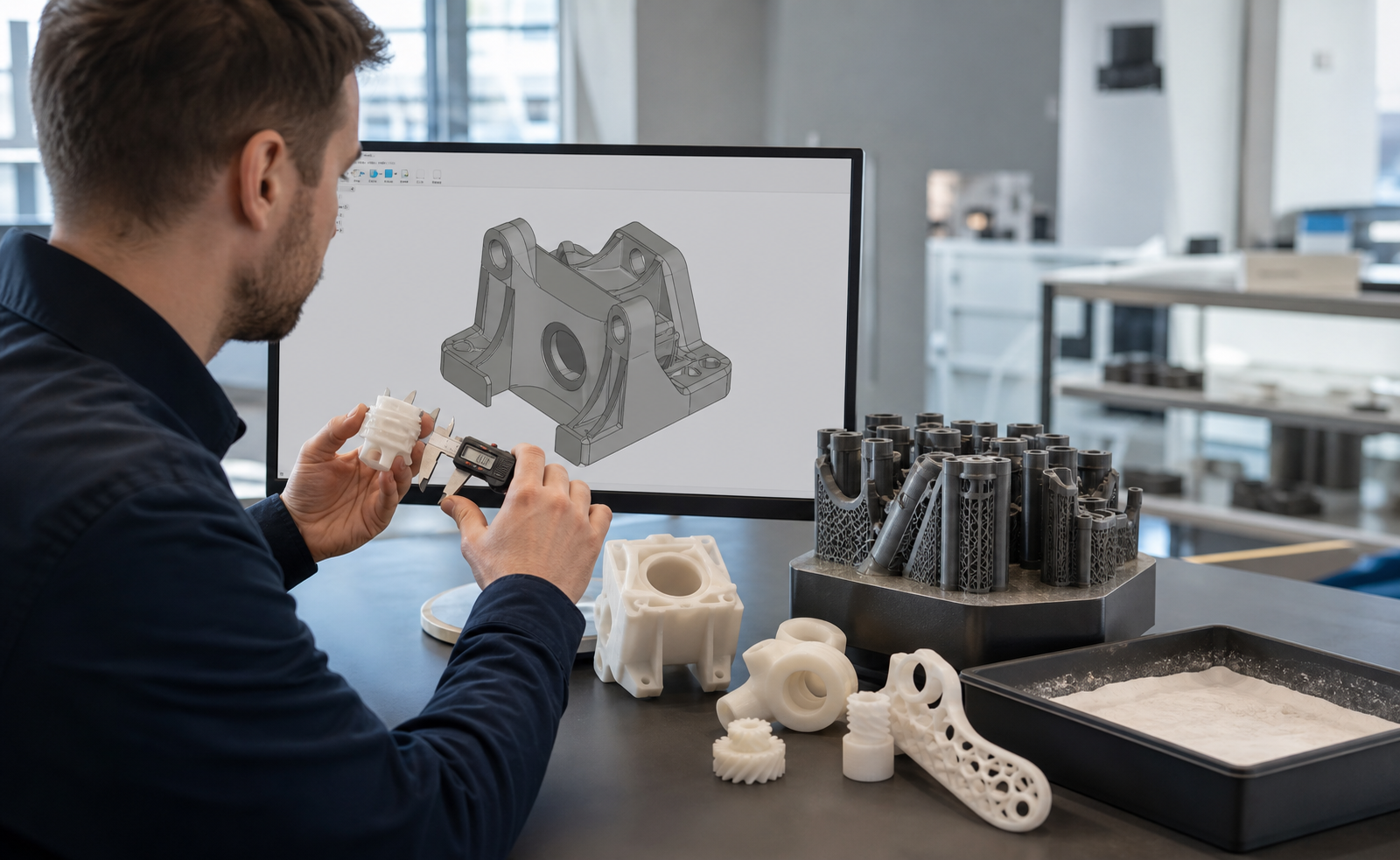
Questions to Ask Before Choosing the Axis Strategy
- 3축 경로에는 몇 개의 세팅이 필요합니까? 설정이 많을수록 대개 위험도 커집니다.
- 클램핑 중에 플라스틱 소재가 움직이나요? 부드러운 부품의 경우, 재고정 횟수를 줄이는 것이 유리할 수 있습니다.
- 각진 형태나 감싸인 형태가 중요한가요? 그로 인해 프로젝트가 4축 또는 5축 가공 방식으로 진행되는 경우가 많습니다.
- 표면 연속성은 중요한가요? 다축 가공을 통해 복잡한 윤곽의 표면 마감을 개선할 수 있습니다.
- 더 나은 설정을 통해 불량과 검사 업무량을 줄일 수 있을까요? 기계 사용료만으로는 전체 비용을 파악할 수 없습니다.
다축 가공 시 흔히 발생하는 문제와 해결 방법
| 문제 | 왜 그런 일이 일어나는가 | 수정 |
|---|---|---|
| 간단한 부품 치고는 견적이 비싸네요 | 실질적인 필요 없이 5축을 선택함 | 3축 또는 4축으로 작업을 깔끔하게 수행할 수 있는지 다시 확인해 보세요. |
| 여러 설정에서 발생하는 오차 누적 | 부품의 위치가 너무 자주 변경되었습니다 | 더 높은 축을 이용하는 경로를 사용하거나 더 효율적인 고정 장치 계획을 수립하십시오 |
| 벽의 뒤틀림 | 클램핑 압력이 부품 형상에 변화를 일으킵니다 | 설정 작업을 줄이고 지원 전략을 재검토하십시오 |
| 첨단 기계가 있음에도 불구하고 생산 속도가 더딘 상황 | 프로그래밍의 복잡성이 이점을 상쇄한다 | 기하학적 구조나 공차상 필요한 경우에만 다축 가공을 사용하십시오 |
플라스틱 부품 제작 시 3축, 4축, 5축 비교
많은 플라스틱 부품의 경우 여전히 3축 가공이 최적의 선택입니다. 4축 가공은 측면 접근이 필요한 경우나 원통형 가공에 유용합니다. 5축 가공은 설정을 줄임으로써 복잡한 플라스틱 형상의 특징 정렬, 표면 마감 또는 가공 안정성을 실질적으로 개선할 수 있을 때 그 가치를 발휘합니다.
관련 읽기
자주 묻는 질문
When does a plastic part need 5-axis CNC machining?
5-axis is useful when multiple angled features, complex surfaces, tool access, or fewer setups materially improve accuracy or finish. Many parts remain practical with 3-axis or indexed 4-axis machining.
Is 5-axis machining always more expensive for plastic parts?
Not always. It can reduce setups and secondary work, but programming, fixturing, machine time, and inspection must be compared against a stable lower-axis route for the actual geometry.
Why does workholding matter more for thin plastic parts?
Plastic is less stiff than metal and can deform under clamping or cutting heat. Fixtures, support points, machining sequence, and free-state inspection need to be planned around the functional datums.
What should a multi-axis CNC RFQ include?
Send STEP and drawing files, material and stock condition, quantity, machine or axis preference, critical datums, tolerances, surface finish, workholding restrictions, inserts, and inspection reports.
Request a Multi-Axis Plastic CNC Review
For multi axis CNC machining plastic parts, share CAD and a controlled drawing with the critical relationships across faces. Nylon Plastic can review whether fewer setups improve the project, together with the fixture strategy, material, functional datums, inspection and total quoted scope.
요청서에 포함해야 할 내용
- State the exact grade, stock form and source, permitted substitution, quantity by phase, service environment and measurement or conditioning state.
- Mark critical features and datums, workholding restrictions, acceptable clamp marks, surface requirements and any customer-specified axis constraint.
- Include inserts or secondary operations, first-article records, free-state or assembled inspection requirements, traceability, destination and timing.
Nylon Plastic helps project teams choose the right machining route for plastic parts instead of defaulting to either the cheapest setup or the most advanced machine. That keeps quoting grounded in part quality and total manufacturing risk.
Axis strategy questions that affect the quote
- A 5-axis machine is requested for prestige while the part could be machined accurately with 3-axis or indexed 4-axis setups.
- The quote ignores fixture access, workholding marks, thin-wall deflection, tool reach, chip evacuation, and inspection datums.
- The quote review compares machine count instead of comparing setups, critical features, tolerance capability, cycle time, and total inspection scope.
- Nylon or POM stock is treated like metal even though heat, clamping, moisture, and residual stress can move the final dimensions.
Nylon Plastic supports CNC machining of engineering plastic parts and can review the axis strategy together with material, fixture design, machining sequence, tolerances, and inspection. The right question is which setup controls the functional features with the least risk, not simply how many axes a machine has.
- 견적서를 작성하기 전에 도면, 자재, 수량, 핵심 사양 및 사용 환경을 검토하십시오.
- 샘플, 치수 보고서, 자재 문서, 추적성 및 수락 기준을 동일한 개정판에 연결합니다.
- 용도에 따라 다른 공정이 필요한 경우에는 맞춤형 복합 가공, 사출 성형, CNC 가공 또는 3D 프린팅을 활용하십시오.
Multi-axis CNC machining plastic parts is most useful when feature access, fixture reduction or tool orientation matters more than a simple 3-axis setup.
Compare setup and fixture work, programming, machining, stock preparation or stress relief where needed, secondary operations and inspection on the same revision. Agree the sample approval and repeat-production scope; machine axis count alone does not define the accuracy or inspection delivered.