
엔지니어링 및 조달 팀을 위해
Evaluating Nylon for a Medical Equipment Component?
Start with patient-contact category, sterilization method and required documentation. A material name alone is not evidence of biocompatibility or regulatory suitability.
- Define contact type and duration before selecting a grade
- Match the resin and additives to the sterilization method
- Confirm traceability and test documentation before production
Request a documentation and DFM reviewReview medical molding requirements
Nylon’s Role in Healthcare
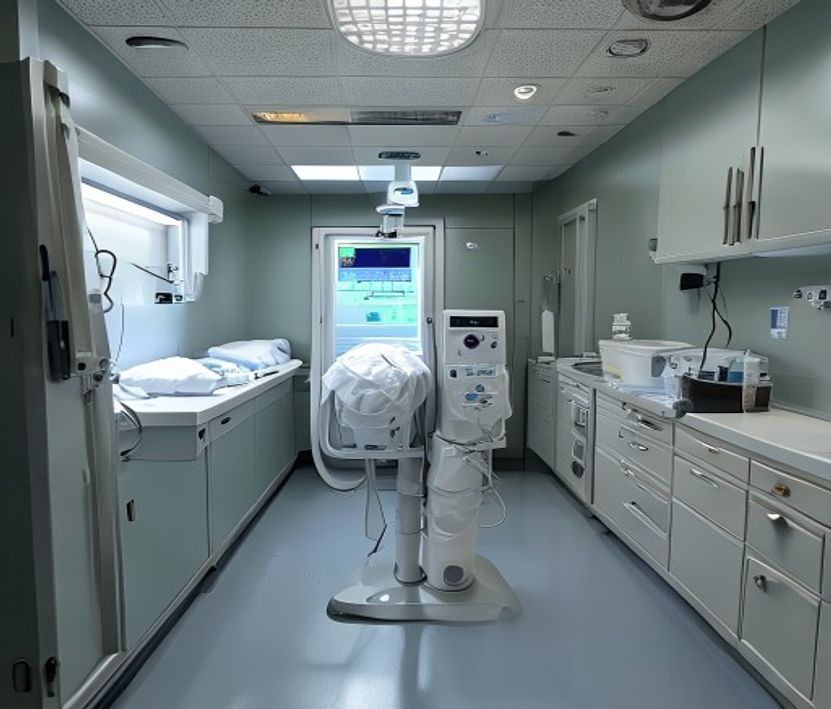
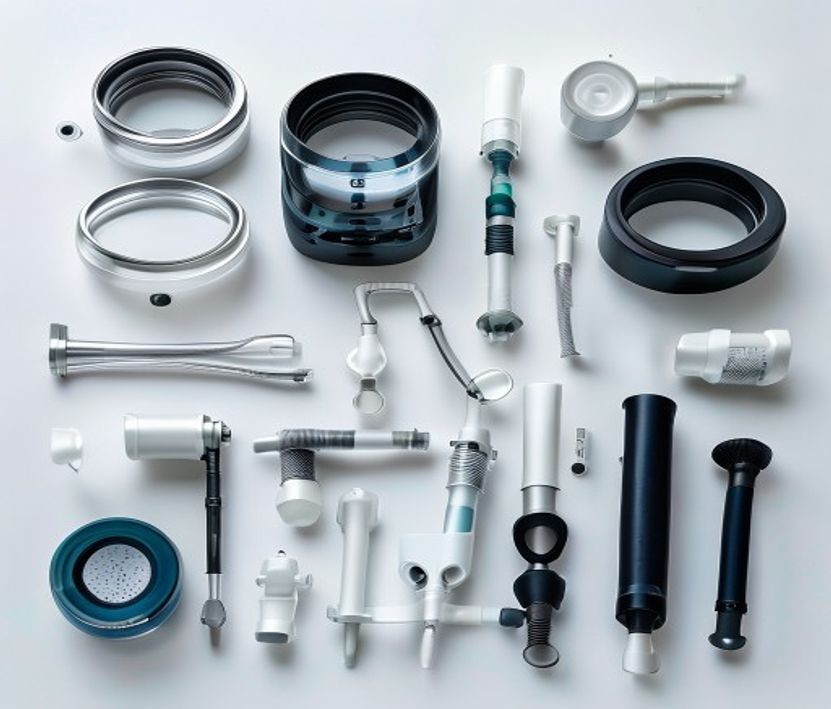
Nylon has been used in medical devices for over 60 years—since the first nylon sutures were introduced in the 1940s. Today, it’s found in everything from single-use surgical instruments to implantable orthopedic components, drug delivery devices, diagnostic equipment housings, and sterilization trays. The material’s combination of strength, chemical resistance, and the ability to withstand multiple sterilization cycles makes it uniquely suited to the demanding healthcare environment.
But medical-grade nylon is not simply standard nylon with a “medical” label. It requires careful control of the polymer chemistry, additive package, and manufacturing process to meet the stringent requirements of ISO 10993 biocompatibility standards and regional regulatory frameworks including FDA 21 CFR and EU MDR 2017/745.
Biocompatibility Requirements
Biocompatibility testing follows ISO 10993, a multi-part standard that tailors testing requirements based on the nature and duration of patient contact:
| Contact Type | 기간 | Required Tests (ISO 10993) | Example Applications |
|---|---|---|---|
| Surface device – intact skin | Limited (<24h) | Cytotoxicity, Sensitization, Irritation | Surgical instrument handles, stethoscope components |
| External communicating – blood path indirect | Prolonged (>30d) | Above + Hemocompatibility, Genotoxicity, Subchronic toxicity | IV connectors, catheter hubs, stopcocks |
| Implant – tissue/bone | Permanent (>30d) | Above + Implantation, Chronic toxicity, Carcinogenicity | Suture anchors, bone cement restrictors |
Material Purity Is Everything
Standard nylon grades can contain processing aids, mold release agents, heat stabilizers, and residual monomers that, while harmless in industrial applications, may be unacceptable for medical use. Medical-grade nylon compounds must:
- Use only biocompatibility-tested additives from approved supplier lists
- Control residual caprolactam monomer to <0.5% (PA6) or eliminate hexamethylene diamine (PA66)
- Be manufactured in dedicated, clean production lines with full traceability
- Provide a Drug Master File (DMF) or Medical Device Master File (MAF) with the FDA for regulatory support
- Maintain lot-to-lot consistency with complete Certificate of Analysis documentation
Sterilization Compatibility
Medical nylon parts must survive repeated sterilization without degrading. Different nylon grades respond differently to the three main sterilization methods:
| Sterilization Method | Nylon Compatibility | Max Cycles | 참고 |
|---|---|---|---|
| Steam autoclave (121°C) | Fair-Good | 50–100 | Hydrolysis risk; PA66 better than PA6; use heat-stabilized grades |
| Ethylene Oxide (EtO) | 우수 | Unlimited | Requires 24–48h aeration; no material degradation |
| Gamma radiation (25–50 kGy) | 나쁨-보통 | 1–10 | Causes chain scission and embrittlement; radiation-stabilized grades available |
| Hydrogen peroxide plasma | Good | 100+ | Low temperature; minimal material impact |
For steam autoclave applications, specify heat-stabilized PA66 grades with hydrolysis-resistant additives. PA12 offers the best moisture resistance and dimensional stability through repeated autoclave cycles. For gamma-sterilized single-use devices, radiation-stabilized grades incorporating aromatic stabilizers can withstand the required dose with minimal property loss.
Need a supplier-ready medical component checklist?
Send the intended use, contact category, sterilization method, drawing and annual volume. We will identify the material, documentation and manufacturing questions that must be resolved before quoting.
Regulatory Pathway Considerations
When developing medical devices with nylon components, early engagement with the regulatory pathway saves time and cost:
- FDA (USA): Most nylon-based medical devices follow the 510(k) premarket notification pathway. The material must be chemically characterized (ISO 10993-18) and toxicologically assessed (ISO 10993-17).
- EU MDR: Requires a comprehensive Biological Evaluation Plan (BEP) and Biological Evaluation Report (BER). Nylon must be assessed for CMR (carcinogenic, mutagenic, reprotoxic) substances and endocrine-disrupting chemicals.
- NMPA (China): Requires GB/T 16886 testing (equivalent to ISO 10993) plus registration testing at an NMPA-accredited laboratory in China.
- Combination products: If the nylon component contacts a drug or biologic (e.g., drug-eluting catheter), additional extractables and leachables (E&L) testing per ISO 10993-18 is mandatory.
엔지니어링 플라스틱에 나일론 플라스틱을 선택해야 하는 이유는?
- ✅ 300대 이상의 사출 성형기 50T에서 2000T까지
- ✅ 하루 10,000개 이상의 부품 생산 능력
- ✅ ±0.02mm 정밀도 모든 재료에 대한 허용 오차
- ✅ MOQ 단 1개 프로토타이핑용, 수백만 개로 확장 가능
- ✅ 24시간 견적, 리드 타임 3~15일
- ✅ ISO 9001 인증 품질 관리 시스템
관련 기사
- 의료 기기 사출 성형 - FDA 규정 준수 및 품질 요구 사항
- Nylon Material Certifications: FDA, EU, NSF, and ISO Standards Overview
- 엔지니어링 플라스틱 선택 가이드: 나일론, POM, PC 및 PE
자주 묻는 질문
Is every nylon grade suitable for a medical device?
No. Suitability depends on the exact resin, additives, manufacturing controls, patient-contact category and the documentation required for the application.
Which sterilization method is easiest on nylon?
EtO and low-temperature hydrogen peroxide processes are often less aggressive than repeated steam or gamma exposure, but the exact grade and validation plan still control the decision.
What should be included in a medical nylon RFQ?
Include the drawing, intended use, contact type and duration, sterilization method, annual volume, inspection requirements and any required material or quality documentation.
Can a supplier claim biocompatibility from the polymer family alone?
No. Biocompatibility evidence must apply to the actual material formulation and intended use. Generic nylon property data is not enough.
관련 읽기
For a medical equipment component review
Share the intended use, contact category, sterilization method, required documentation, drawing and annual volume. No regulatory approval is assumed from the resin name alone.