
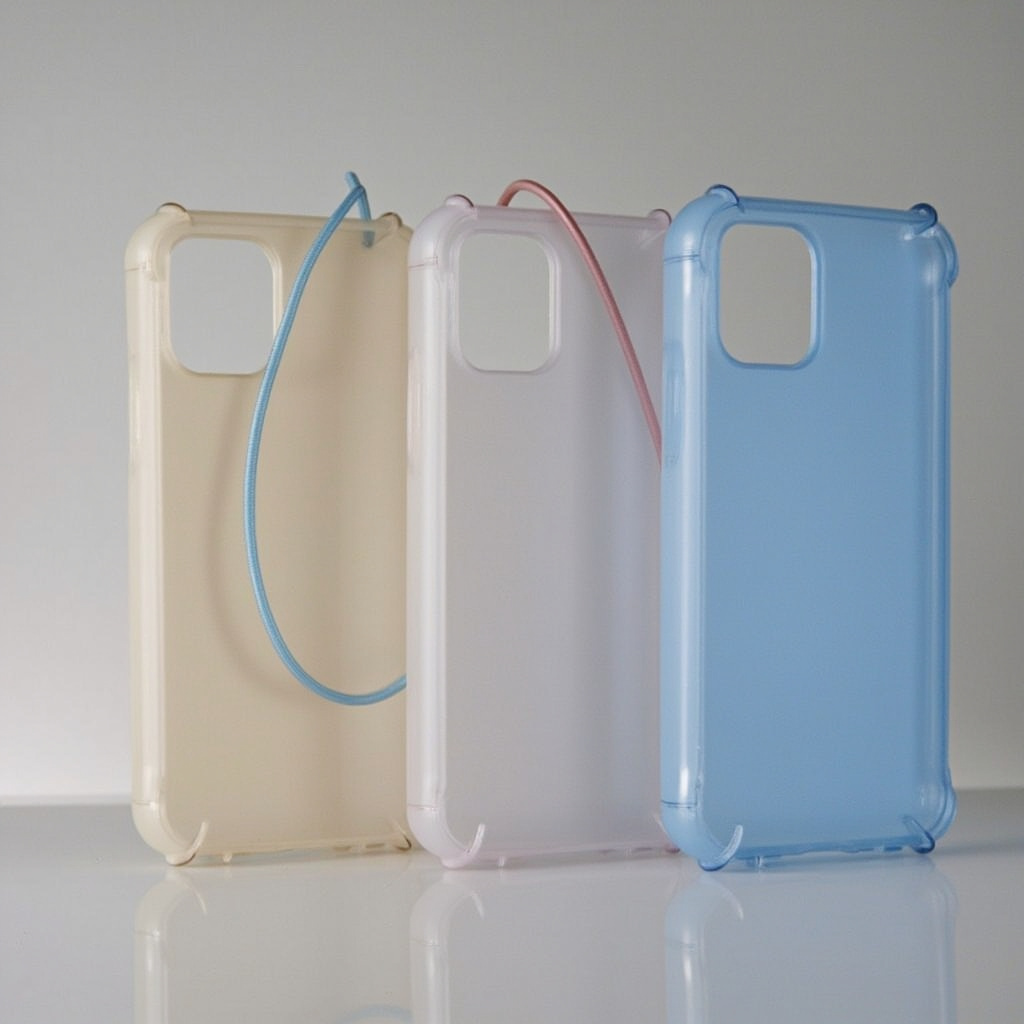
열가소성 폴리우레탄(TPU)은 엔지니어링 소재 분야에서 독보적인 위치를 차지하고 있습니다. 플라스틱처럼 사출 성형 및 CNC 가공이 가능할 만큼 강성이 뛰어나면서도, 고무처럼 기능할 수 있을 만큼 탄성이 뛰어납니다. 이러한 다용도성 덕분에 TPU는 제조 분야에서 가장 빠르게 성장하는 엘라스토머 중 하나로, 스마트폰 케이스부터 유압 씰에 이르기까지 다양한 분야에서 사용되고 있습니다.
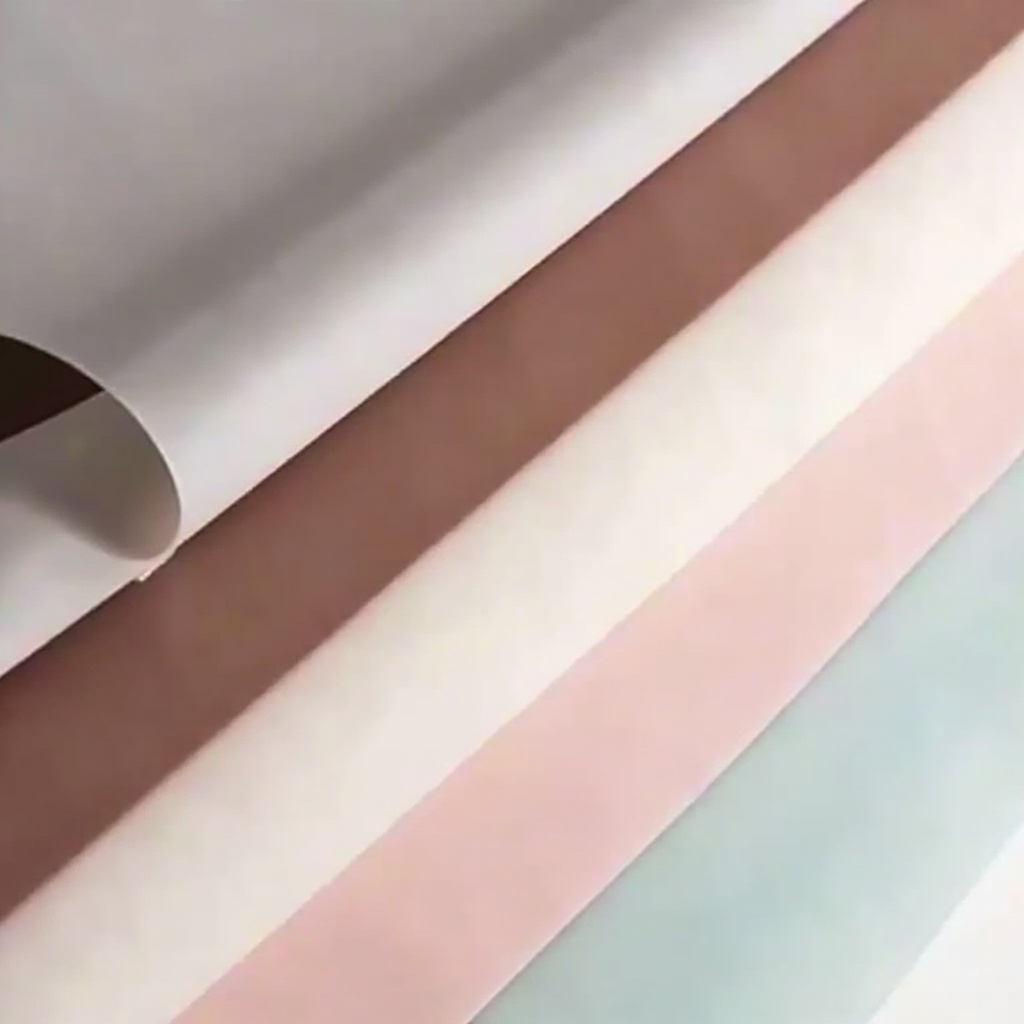
TPU란 무엇인가요?
TPU는 경질 세그먼트(MDI나 TDI와 같은 디이소시아네이트에서 유래)와 연질 세그먼트(폴리에스터 또는 폴리에테르)가 교대로 배열된 블록 공중합체입니다. 경질 세그먼트는 물리적 가교를 형성하여 상온에서 재료의 형상과 탄성률을 결정하며, 연질 세그먼트는 유연성과 탄성을 부여합니다.
가황 고무와 달리, 이러한 가교 결합은 화학적 결합이 아닌 물리적 결합이므로, 경질 세그먼트의 녹는점 이상으로 가열하면 결합이 풀립니다. 덕분에 TPU는 열가소성 수지와 마찬가지로 용융 가공이 가능하며, 사출 성형, 압출 성형 또는 3D 프린팅이 가능하고, 수명이 다한 후에는 재가공할 수 있습니다.
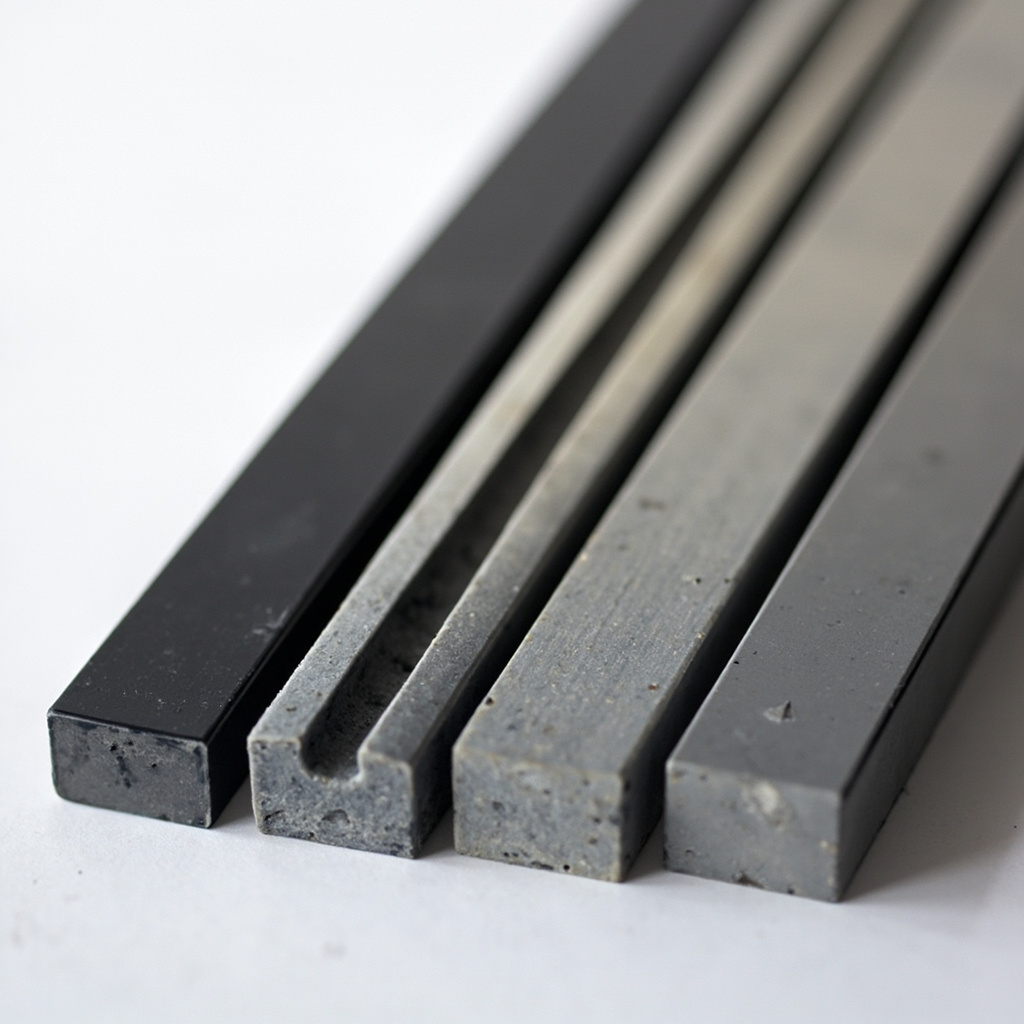
TPU의 주요 특성
| 속성 | 일반적인 범위 | 참고 |
|---|---|---|
| 경도 (쇼어 A) | 60A-75D | 고무에서 반강성 소재까지 아우릅니다 |
| 인장 강도 | 20~55 MPa | 대부분의 엘라스토머보다 높음 |
| 휴식 시 연신율 | 300-800% | 뛰어난 유연성 |
| 내마모성 | 우수 | 고무보다 우수하며, 폴리우레탄과 비슷한 수준 |
| 내유성 | 좋음-매우 좋음 | 폴리에스터 TPU가 폴리에테르보다 우수하다 |
| 자외선 내성 | 낮음 ~ 보통 | 실외 사용에 권장되는 자외선 안정제 |
운영 Te
 온도 |
-40~+80℃ (연속) | 단기적으로 120°C까지 |
TPU의 종류
폴리에스터 TPU
가장 일반적인 유형입니다. 폴리에스터 TPU는 뛰어난 내유성 및 내연료성과 우수한 기계적 특성을 갖추고 있으며, 가격 대비 성능이 뛰어납니다. 이 소재는 유압 씰, 공압 튜브, 그리고 유체와 접촉이 예상되는 자동차 용도에서 선호되는 선택지입니다.
폴리에테르 TPU
폴리에스터 계열에 비해 뛰어난 가수분해 저항성과 저온 유연성을 갖추고 있습니다. 폴리에테르 TPU는 m
영하 60°C의 극저온에서도 유연성을 유지합니다. 습기 노출이 우려되는 의료 기기, 해양 분야 및 실외 사용에 적합합니다.
폴리카프로락톤 TPU
뛰어난 기계적 특성과 저온 내구성을 갖춘 프리미엄급 성능. 가격은 비싸지만 스키 부츠, 군용 장비, 고성능 신발 등 까다로운 용도에 사용됩니다.
TPU와 다른 엘라스토머 및 플라스틱의 비교
- vs. 실리콘: TPU는 인장 강도와 내마모성이 더 우수합니다. 실리콘은 내열성과 생체 적합성이 뛰어납니다.
- vs. 고무 (EPDM, NBR): TPU는 열가소성 소재(재가공 가능, 가공 속도가 빠름)인 반면, 열경화성 고무는 가황 처리가 필요합니다. TPU는 내유성이 더 우수하고 투명도 선택의 폭이 넓습니다.
- vs. TPV (열가소성 가황물): TPV는 장기적인 밀봉 성능과 압축 영구 변형 저항성이 더 우수합니다. TPU는 내마모성과 투명성이 더 뛰어납니다.
- vs. 연질 PVC: TPU는 가소제가 포함되어 있지 않아(용출 없음, 냄새 없음) 저온 성능이 더 우수합니다. 가격은 더 비싸지만, 중요한 용도에는 더 적합합니다.
제조 분야의 TPU
TPU CNC 가공
TPU의 유연성 때문에 CNC 가공이 까다롭습니다. 절삭력이 가해지면 부품이 휘어지고 척에 제대로 고정되지 않습니다. 날카로운 공구를 사용하고, 이송 속도를 낮게 설정하며, 냉각수를 충분히 공급해야 합니다. 왁스 같은 윤활제를 사용하면 발열을 줄일 수 있습니다. 복잡한 형상의 경우, 일반적으로 TPU를 가공하기보다는 성형하는 것을 권장합니다.
TPU 사출 성형
TPU는 사출 성형이 가능하지만, 특정 가공 지식이 필요합니다. 배럴 온도는 190~230°C, 금형 온도는 20~50°C로 설정해야 하며, 플래시를 방지하기 위해 사출 속도를 낮게 유지해야 합니다. TPU는 점도가 높기 때문에 게이트 설계를 신중하게 해야 합니다. 배기 처리가 불충분할 경우 사출 부족 현상이 자주 발생합니다.
3D 프린팅용 TPU
TPU 필라멘트(쇼어 95A-60D)는 가열 베드가 장착된 표준 FDM 프린터에서 220~260°C의 온도로 출력할 수 있습니다. 유연성 때문에 베드 접착이 어려울 수 있으므로 PEI 시트나 접착 촉진제를 사용하십시오. 인쇄 속도를 느리게(20~40 mm/s) 설정하면 노즐 막힘을 방지할 수 있습니다. TPU 95A는 가장 일반적이며 인쇄하기 가장 쉬운 소재입니다.
당사의 TPU 제조 서비스
당사는 다음 경로를 통해 TPU 부품을 공급합니다:
- 시제품 및 소량 생산(500~10,000개 이상) 규모의 TPU 사출 성형
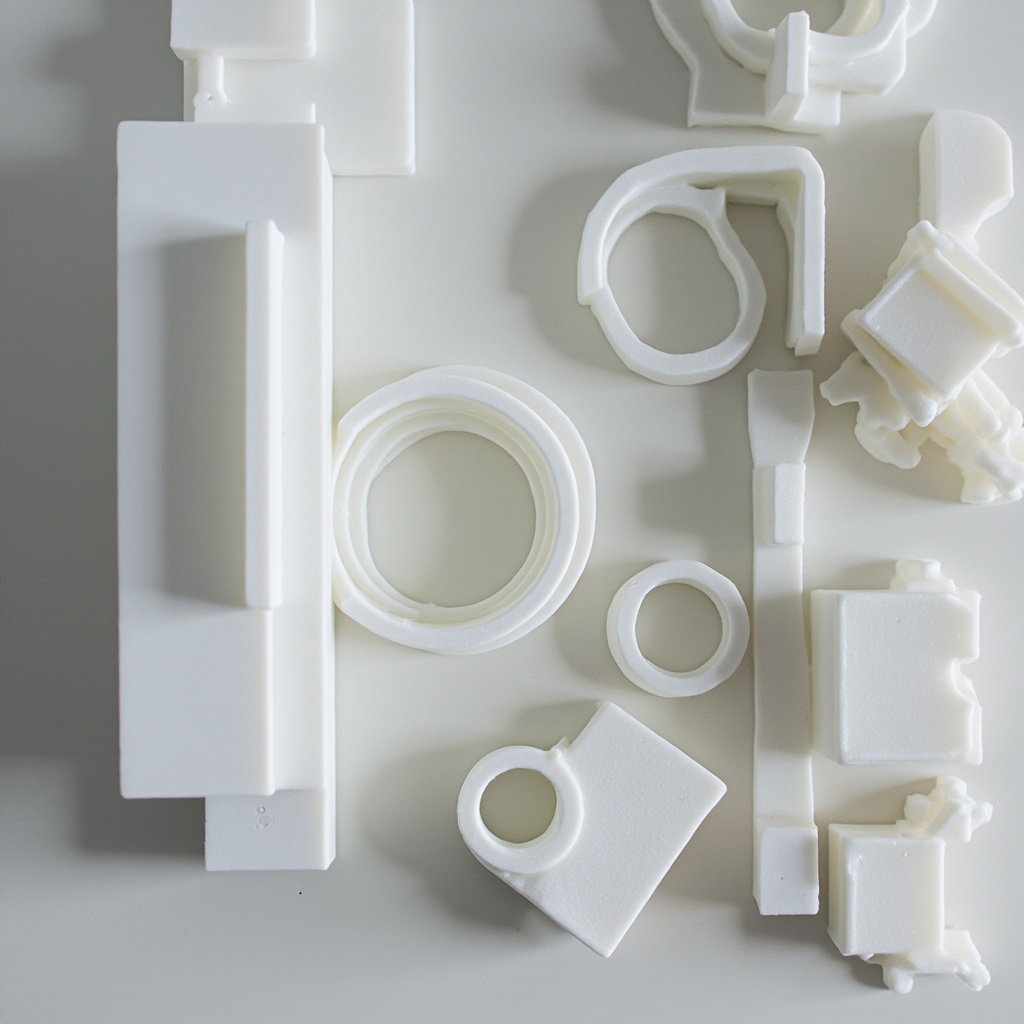
- FDM 방식을 이용한 TPU 3D 프린팅: 기능성 시제품 및 맞춤형 부품 제작
- 성형 설비 비용이 정당화되지 않는 비교적 단순한 형상의 CNC 가공
자주 묻는 질문
‘TPU 소재: 열가소성 폴리우레탄의 특성 및 용도’는 어떤 경우에 적합한 선택일까요?
『TPU 소재: 열가소성 폴리우레탄의 특성 및 응용』은 성형 부품의 단가보다 신속한 반복 설계, 복잡한 형상, 낮은 금형 비용 또는 소량 생산이 더 중요한 경우에 유용한 참고 자료입니다.
‘TPU 소재 선택 전 확인해야 할 사항: 열가소성 폴리우레탄의 특성과 용도’를 선택하기 전에 무엇을 확인해야 할까요?
부품 크기, 재료 특성, 표면 마감, 치수 공차, 열 노출, 하중 방향, 후처리가 필요한지 여부를 확인합니다.
TPU 소재(열가소성 폴리우레탄)의 특성과 용도는 CNC 가공과 비교했을 때 어떤가요?
3D 프린팅은 복잡한 형상을 빠르게 제작할 수 있는 반면, CNC 가공은 정밀한 표면, 엄격한 공차 및 생산 등급 재료에 더 적합한 경우가 많습니다.
TPU 소재의 가격에 영향을 미치는 요인은 무엇인가: 열가소성 폴리우레탄의 특성과 용도?
비용은 재료, 빌드 볼륨, 프린트 시간, 레이어 높이, 서포트 제거, 마감, 검사 및 빌드 내 부품 수에 따라 달라집니다.

