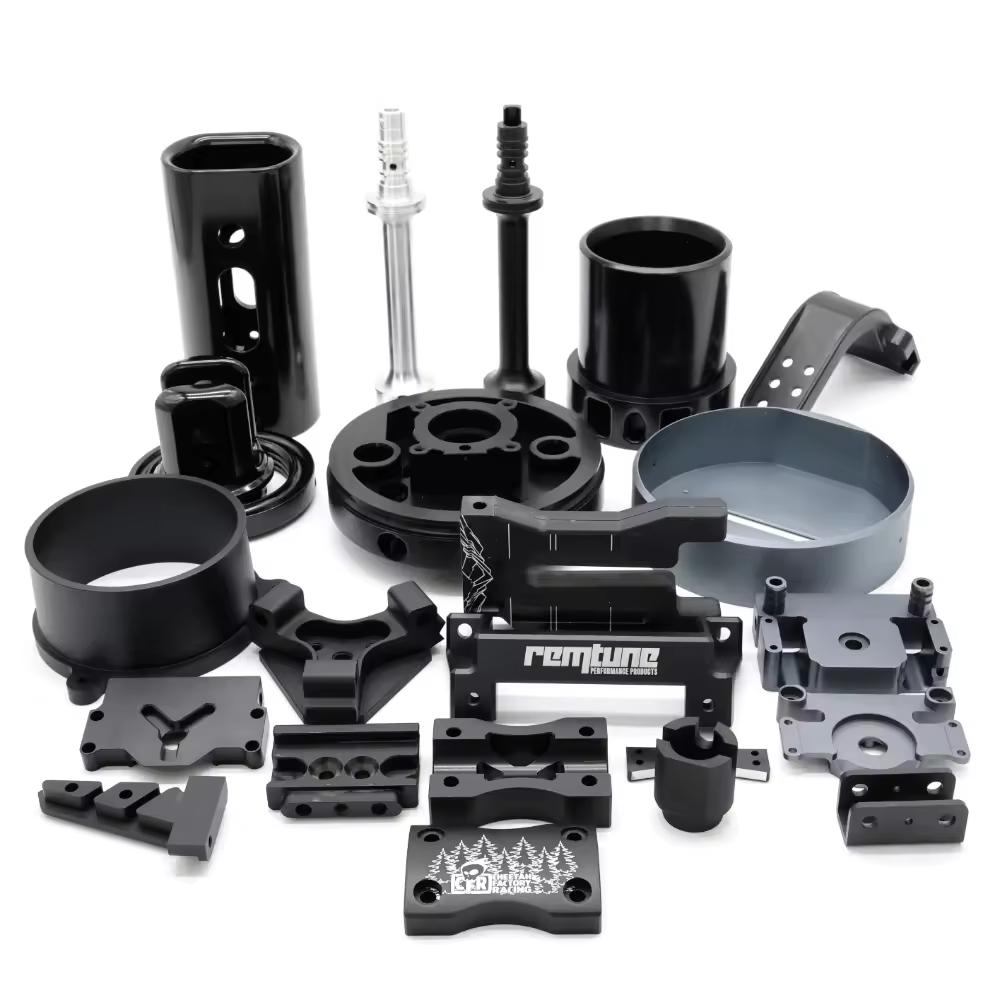
『응력 대 변형률』은 현대 공학 및 제조 분야에서 가장 중요한 소재 중 하나인 재료의 변형 및 시험에 대한 완전한 안내서입니다. 이 포괄적인 안내서는 응력 대 변형률의 기본 특성, 산업적 응용 분야 및 제조 시 고려 사항을 심도 있게 다루며, 엔지니어와 조달 전문가에게 재료 선정 및 응용 설계에 필요한 필수 지식을 제공합니다.
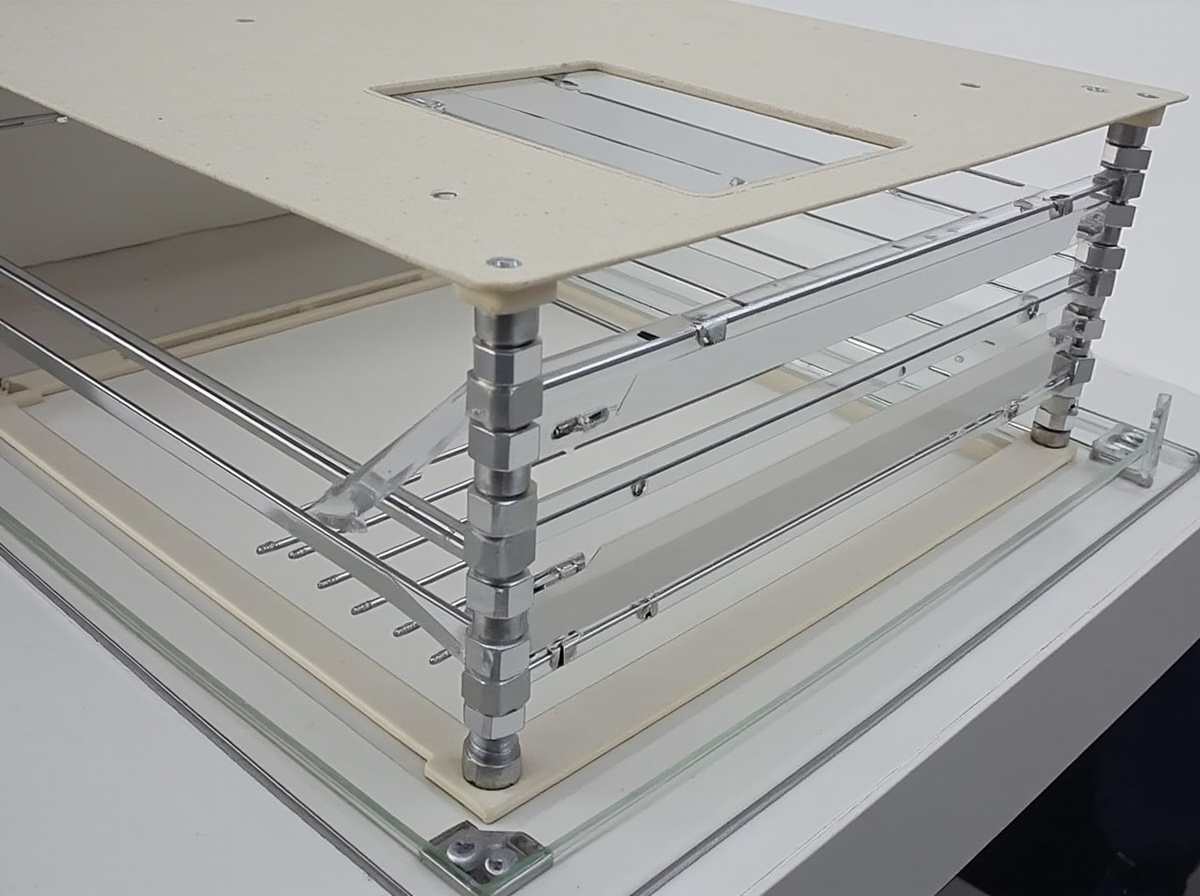
기본 속성 및 특성
응력과 변형률 특성은 특정 공학적 용도에 대한 재료의 적합성을 결정합니다. 주요 특성으로는 기계적 강도, 내식성, 열적 안정성, 가공성 등이 있습니다. 이러한 기본 특성을 이해하면 다양한 산업 분야에서 최적의 재료를 선정할 수 있습니다.
산업 애플리케이션
| 적용 분야 | 특정 용도 | 성능 요구 사항 | 소재의 장점 |
|---|---|---|---|
| 제조 | 컴포넌트 생산 | 높은 강도, 내구성 | 비용 효율적이고 안정적인 |
| 건설 | 구조적 요소 | 하중 지지 용량 | 긴 서비스 수명 |
| 전자 제품 | 전기 부품 | 전도성, 안정성 | 성능 일관성 |
| 자동차 | 차량 구성 요소 | 무게 최적화 | 연료 효율성 |
| 항공우주 | 항공기 구조 | 높은 중량 대비 강도 | 안전 중요 |
제조 프로세스
응력과 변형률에 기반한 제조 공정은 재료 특성과 적용 요구 사항에 맞춰 설계된 특수 공정을 수반합니다. 일반적인 제조 방법으로는 주조, 단조, 기계 가공, 적층 제조 등이 있으며, 각 방법은 특정 부품 형상과 성능 기준에 따라 뚜렷한 장점을 제공합니다.
재료 선택 고려 사항
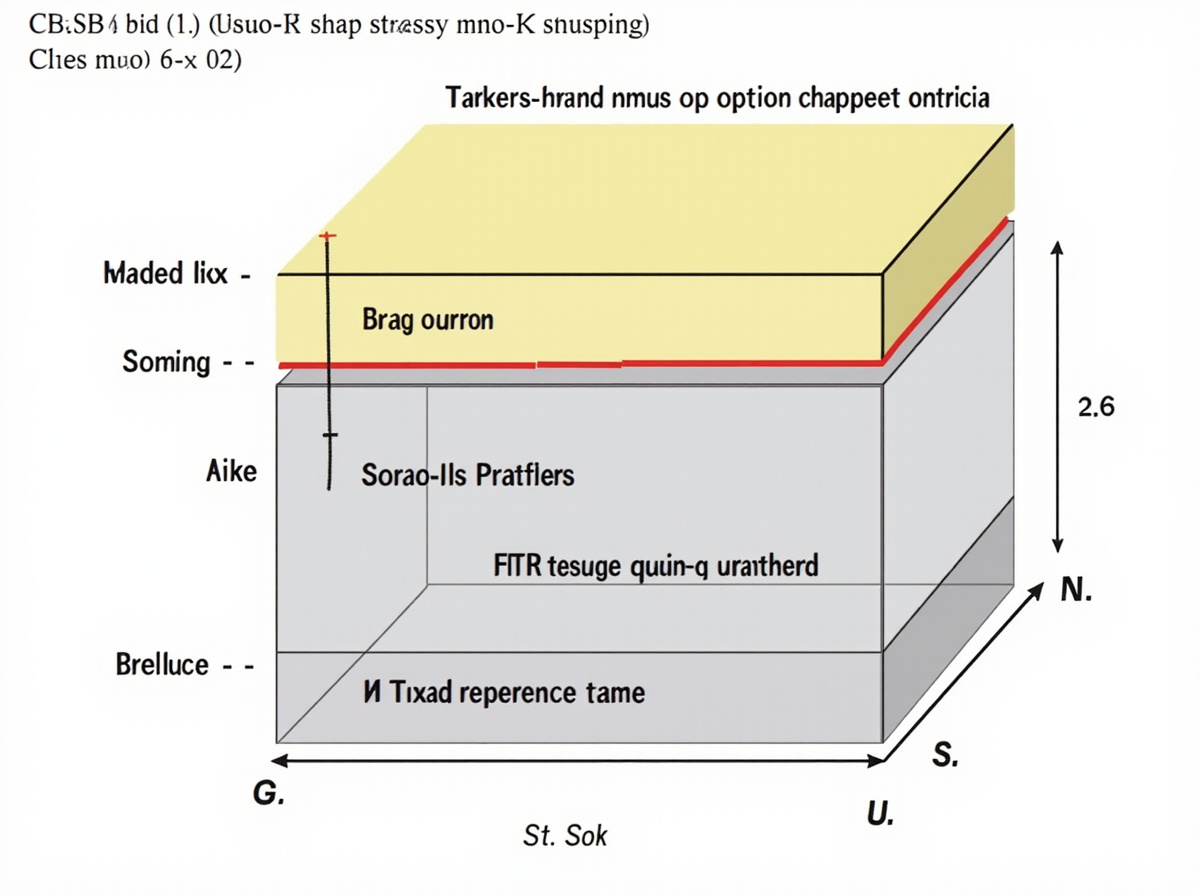
공학 분야에서 응력과 변형률 중 어느 것을 선택할지는 비용 제약과 제조 타당성을 고려하여 여러 성능 기준을 평가해야 합니다. 주요 고려 사항으로는 기계적 특성, 내환경성, 가공 특성 및 수명 주기 비용이 있습니다.
성능 대 비용 분석
재료 선정은 성능 요구 사항과 경제적 제약 조건 간의 균형을 고려하여 이루어집니다. 응력과 변형의 관계는 [성능 특성]이 요구되는 응용 분야에서 특정한 이점을 제공하지만, 요구 사항이 덜 까다로운 응용 분야의 경우 대체 재료를 사용함으로써 더 나은 비용 대비 성능 비율을 얻을 수 있습니다.
환경 및 규제 요인
환경 규제와 지속가능성 고려 사항이 재료 선정에 미치는 영향이 점점 더 커지고 있습니다. 특정 용도 및 지역 시장에 따라 응력과 변형률에 대한 관련 표준 및 규정 준수 여부를 반드시 확인해야 합니다.
향후 개발 및 동향
응력 대 변형률 기술의 발전은 지속가능성 문제를 해결하는 동시에 응용 가능성을 지속적으로 확대하고 있습니다. 새로운 트렌드로는 가공 효율 향상, 합금 개발을 통한 재료 특성 개선, 재활용성과 순환 경제 원칙에 대한 관심 증대 등이 있습니다.
결론
응력과 변형은 제조, 건설, 전자, 자동차, 항공우주 등 다양한 산업 분야에 걸쳐 폭넓게 적용되는 핵심 소재 범주를 대표합니다. 이 소재의 기본 특성, 가공 특성 및 응용 분야별 고려 사항을 이해함으로써, 엔지니어와 조달 담당자는 성능, 비용, 지속 가능성 요건을 균형 있게 고려한 정보에 입각한 소재 선정 결정을 내릴 수 있습니다.
자주 묻는 질문
‘응력 대 변형률: 재료 변형 및 시험에 관한 종합 가이드’가 왜 중요한가?
‘응력 대 변형률: 재료 변형 및 시험에 관한 종합 가이드’는 재료의 거동을 설계, 조달 및 생산 결정을 안내할 수 있는 측정 가능한 증거로 전환해 주기 때문에 중요합니다.
『스트레스 대 변형: 재료 변형 및 시험에 관한 종합 가이드』는 재료 선정에 어떻게 활용되나요?
엔지니어는 결과를 사용하여 후보 물질을 비교하고, 안전 마진을 확인하며, 일반적인 데이터시트 주장에만 의존하지 않습니다.
'응력 대 변형률: 재료 변형 및 시험에 관한 종합 가이드'의 결과에 어떤 요인이 영향을 미칠 수 있나요?
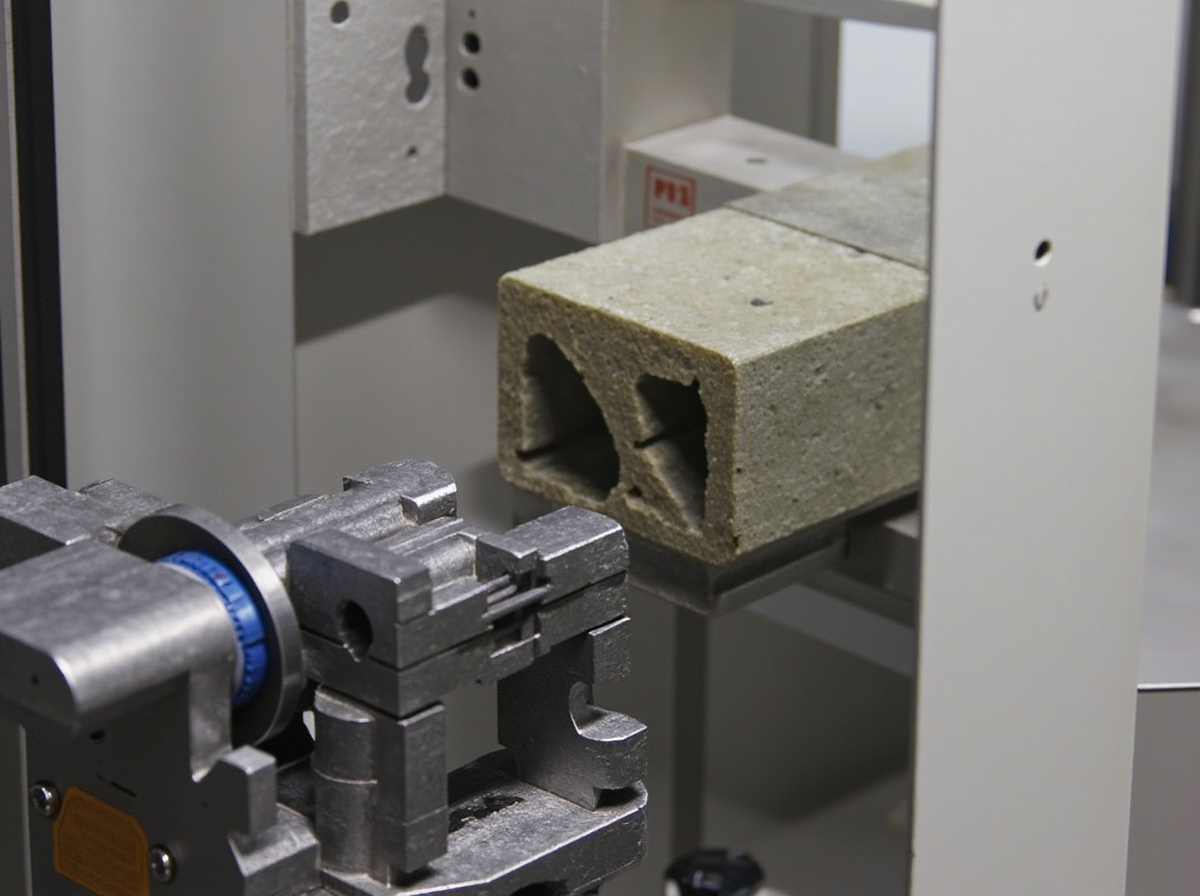
시료 준비, 테스트 방법, 온도, 하중 방향, 재료 상태, 표준 선택 등이 모두 결과에 영향을 미칠 수 있습니다.
『응력과 변형: 재료 변형 및 시험에 관한 종합 가이드』를 읽을 때 구매자가 피해야 할 실수는 무엇인가요?
동일한 표준, 시료 조건 및 테스트 환경을 사용하지 않는 한 값을 비교하지 마세요.