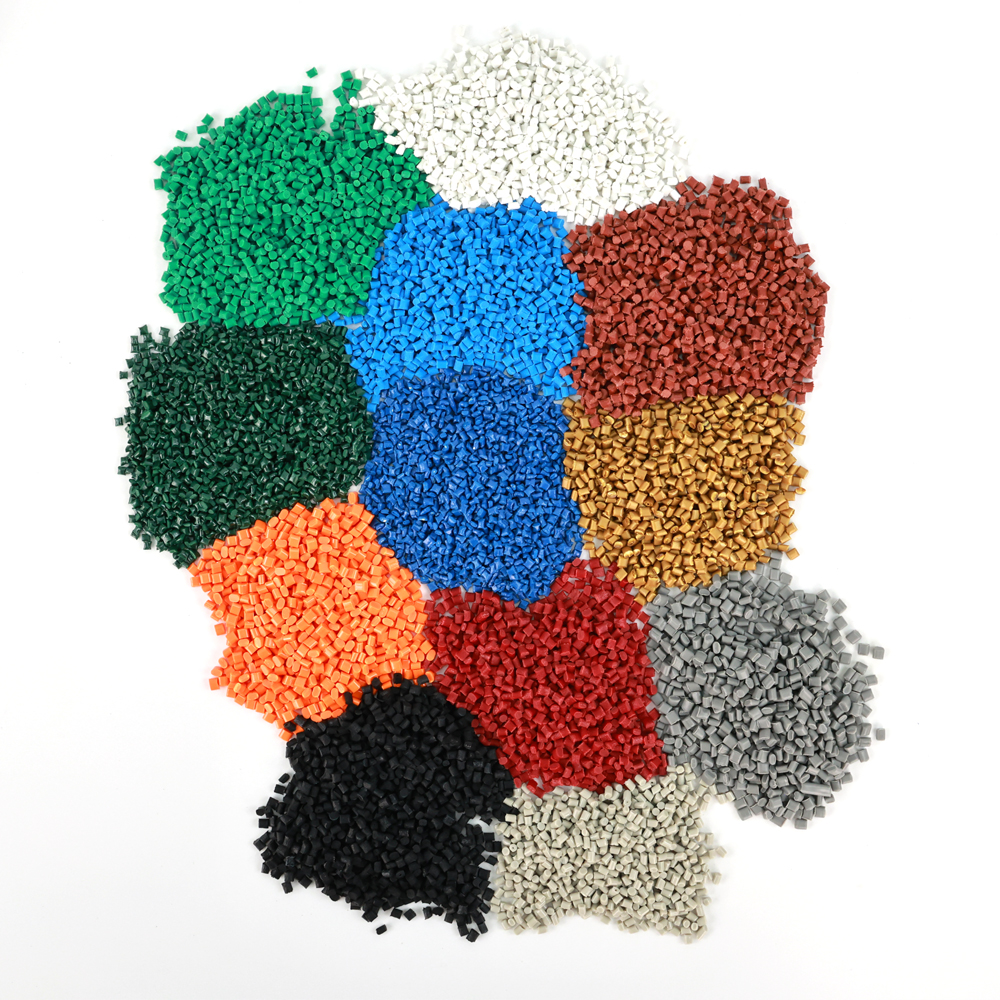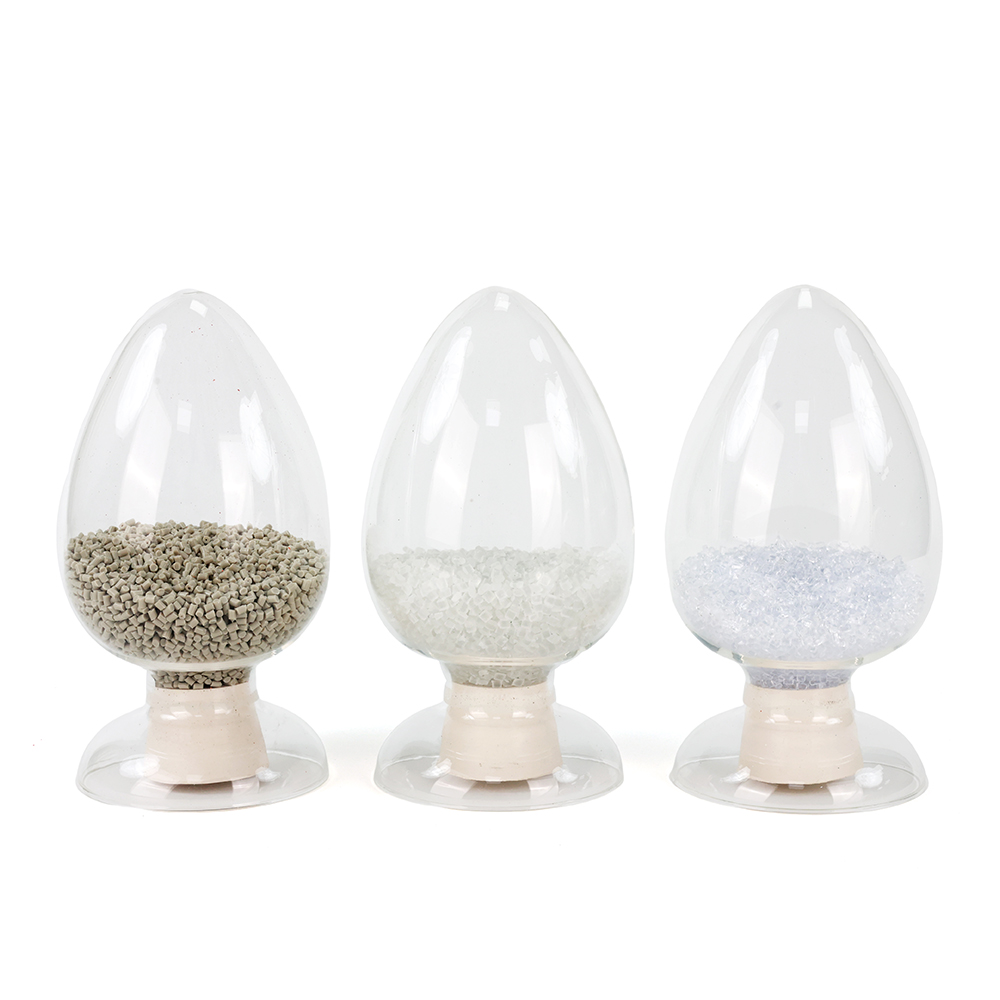
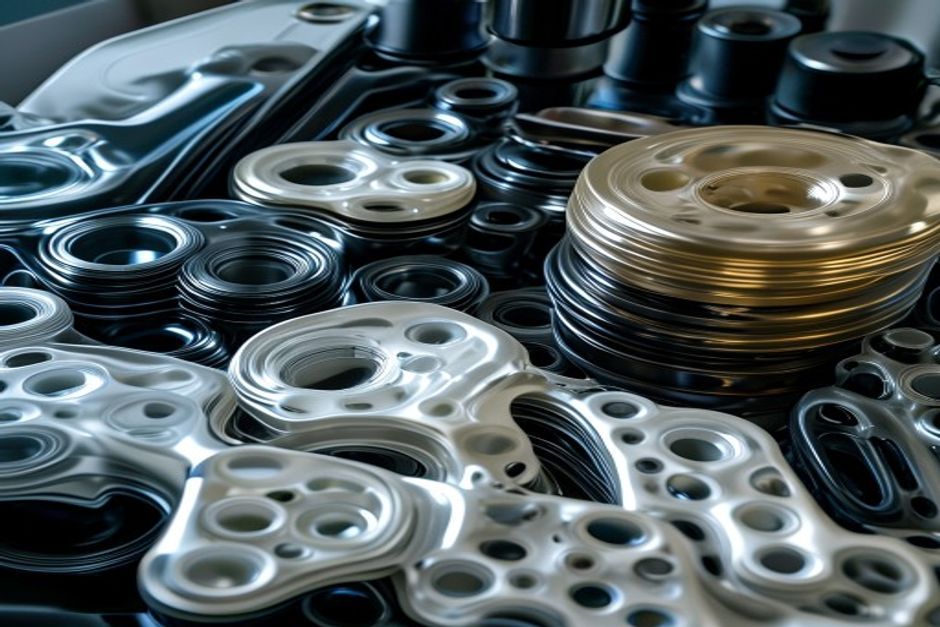
PTFE (Polytetrafluoroethylene) and PEEK (Polyether Ether Ketone) represent the pinnacle of engineering plastic technology. Both are classified as high-performance polymers, capable of operating in extreme environments that would destroy conventional engineering plastics.
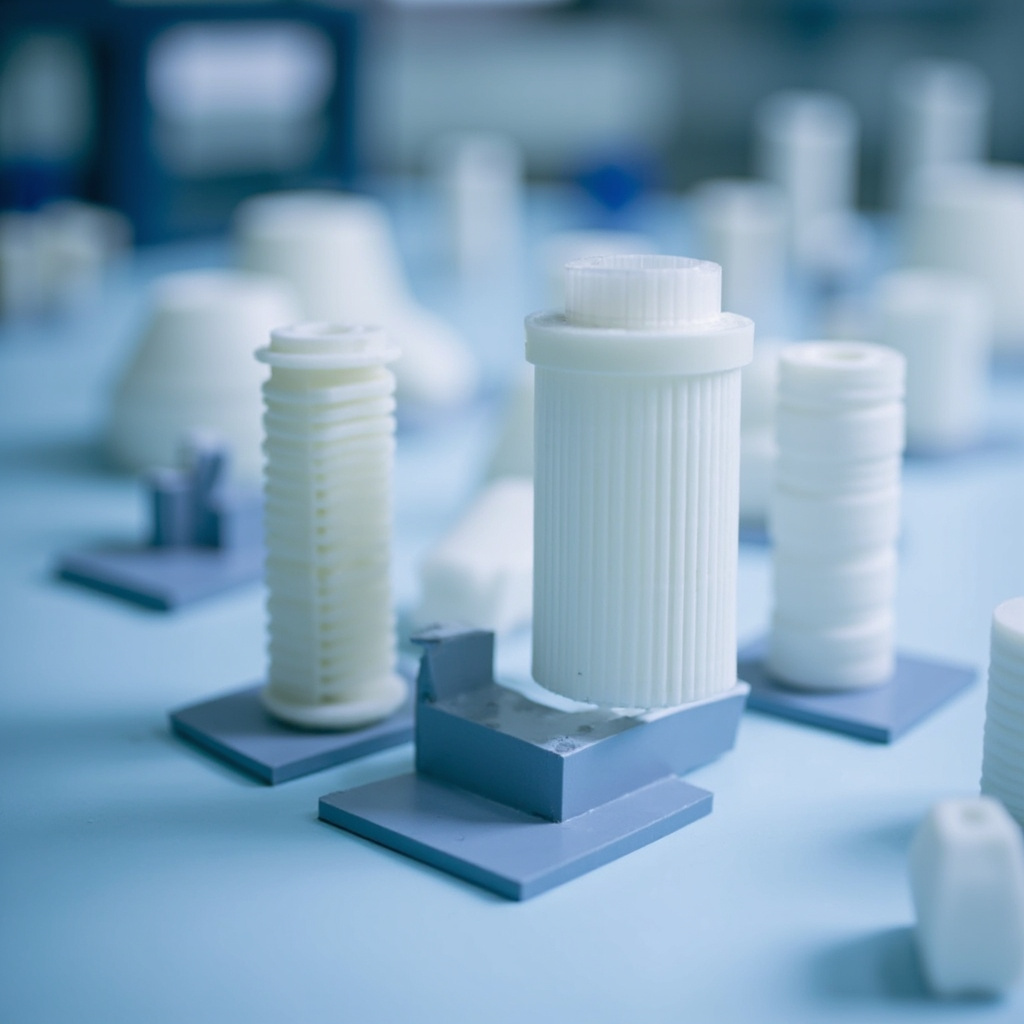
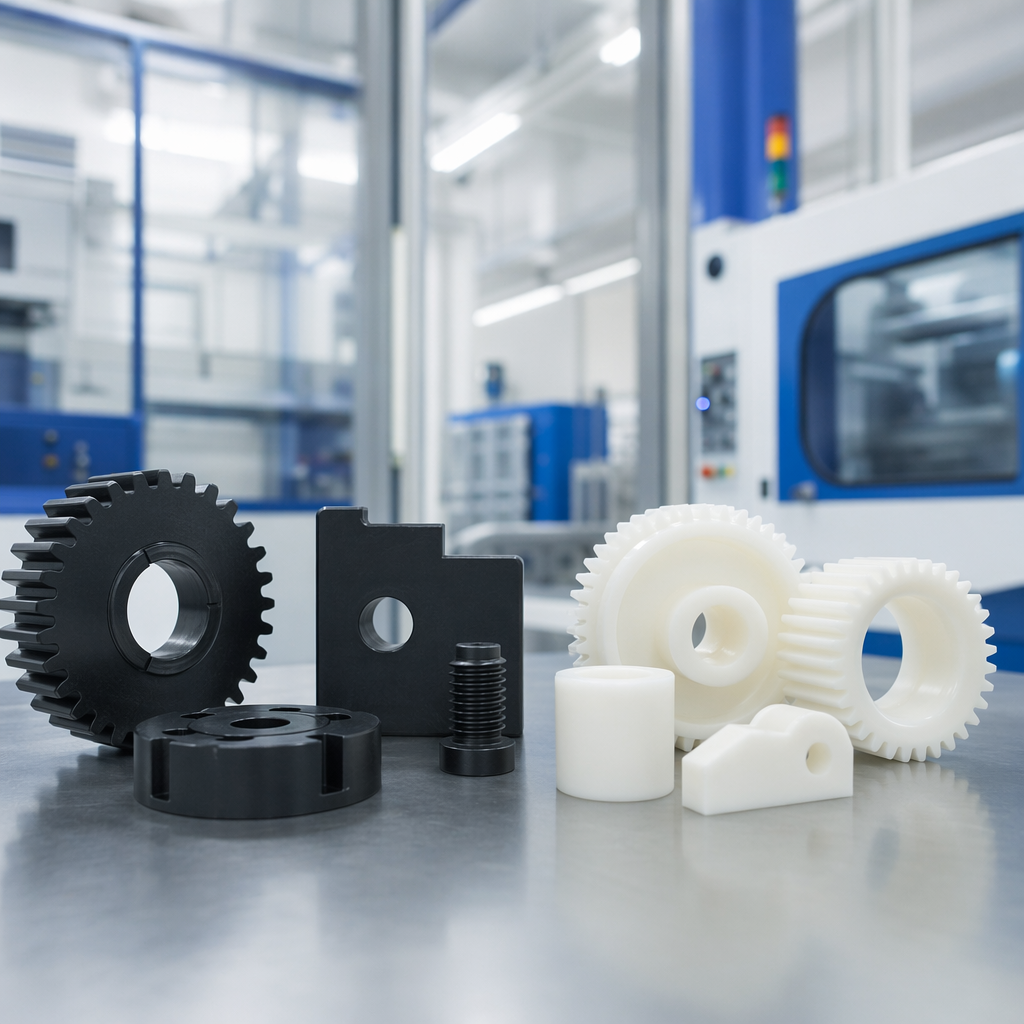
PTFE Properties
PTFE offers virtually complete chemical resistance (inert against all common chemicals except molten alkali metals and fluorine), temperature range from -200°C to +260°C, coefficient of friction of 0.05-0.10 (lowest of any solid material), and excellent electrical insulation properties.
PEEK Properties
PEEK provides tensile strength of 90-100 MPa (3-5x stronger than PTFE), temperature resistance up to 250°C continuous, excellent creep resistance at elevated temperatures, and radiation resistance for demanding applications. Carbon fiber reinforced PEEK reaches 200+ MPa tensile strength.
선택 가이드
Choose PTFE for chemical resistance and low friction. Choose PEEK for mechanical strength at temperature. For engineering applications, our PA66-CF30 뛰어난 강도 대 중량 비율을 제공합니다.
Source High-Performance Materials
As a specialized source manufacturer, we supply PTFE and PEEK in rod, sheet, and tube forms with full traceability. 문의하기 가격에 대해서는.
무료 견적 받기
아래 양식을 작성해 주시면 당사 엔지니어들이 24시간 이내에 답변해 드리겠습니다.
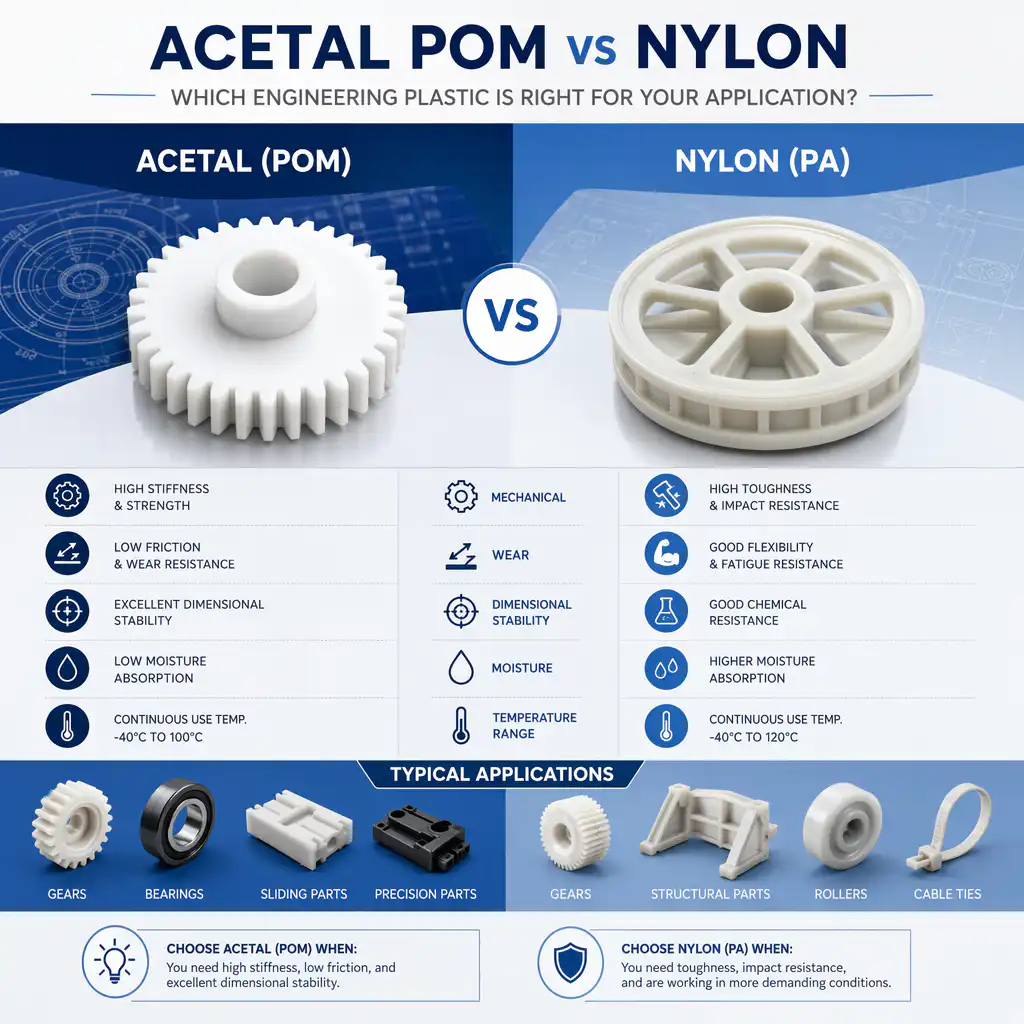
Acetal POM vs Nylon Decision Table
| 요구 사항 | Acetal POM | 나일론 |
|---|---|---|
| Friction and wear | Low friction, good sliding behavior and dimensional stability | Good wear options, often with higher moisture sensitivity |
| 수분 | Very low absorption for stable fits | Absorption can change dimensions and stiffness |
| Strength and heat | Balanced strength with a moderate temperature envelope | Broader reinforced and high-temperature grade choices |
| Process route | Injection molding or CNC with controlled burrs and stress | Dry resin, manage shrinkage and validate fiber orientation where filled |
Choose from the load, friction, moisture, heat and tolerance stack-up of the completed part. Test the actual mating surface, press fit, gear tooth or bushing rather than relying only on a resin datasheet.
자주 묻는 질문
어떤 경우에 아세탈(POM)과 나일론을 비교할 때 — 어떤 엔지니어링 플라스틱이 귀하의 용도에 적합할까요? — 아세탈(POM)이 좋은 선택이 될까요?
“아세탈(POM) 대 나일론 — 어떤 엔지니어링 플라스틱이 귀하의 용도에 적합할까요?”는 성형 부품의 단가보다 신속한 반복 설계, 복잡한 형상, 낮은 금형 비용 또는 소량 생산이 더 중요한 경우에 좋은 선택지입니다.
아세탈(POM)과 나일론을 선택하기 전에 확인해야 할 사항은 무엇인가요? — 어떤 엔지니어링 플라스틱이 귀하의 용도에 적합할까요?
부품 크기, 재료 특성, 표면 마감, 치수 공차, 열 노출, 하중 방향, 후처리가 필요한지 여부를 확인합니다.
아세탈(POM)과 나일론 — 어떤 엔지니어링 플라스틱이 귀하의 용도에 적합할까요?는 CNC 가공과 비교했을 때 어떤 차이가 있을까요?
3D 프린팅은 복잡한 형상을 빠르게 제작할 수 있는 반면, CNC 가공은 정밀한 표면, 엄격한 공차 및 생산 등급 재료에 더 적합한 경우가 많습니다.
아세탈(POM)과 나일론의 가격 차이는 무엇에 의해 결정될까요? — 귀하의 용도에 적합한 엔지니어링 플라스틱은 무엇일까요??
비용은 재료, 빌드 볼륨, 프린트 시간, 레이어 높이, 서포트 제거, 마감, 검사 및 빌드 내 부품 수에 따라 달라집니다.