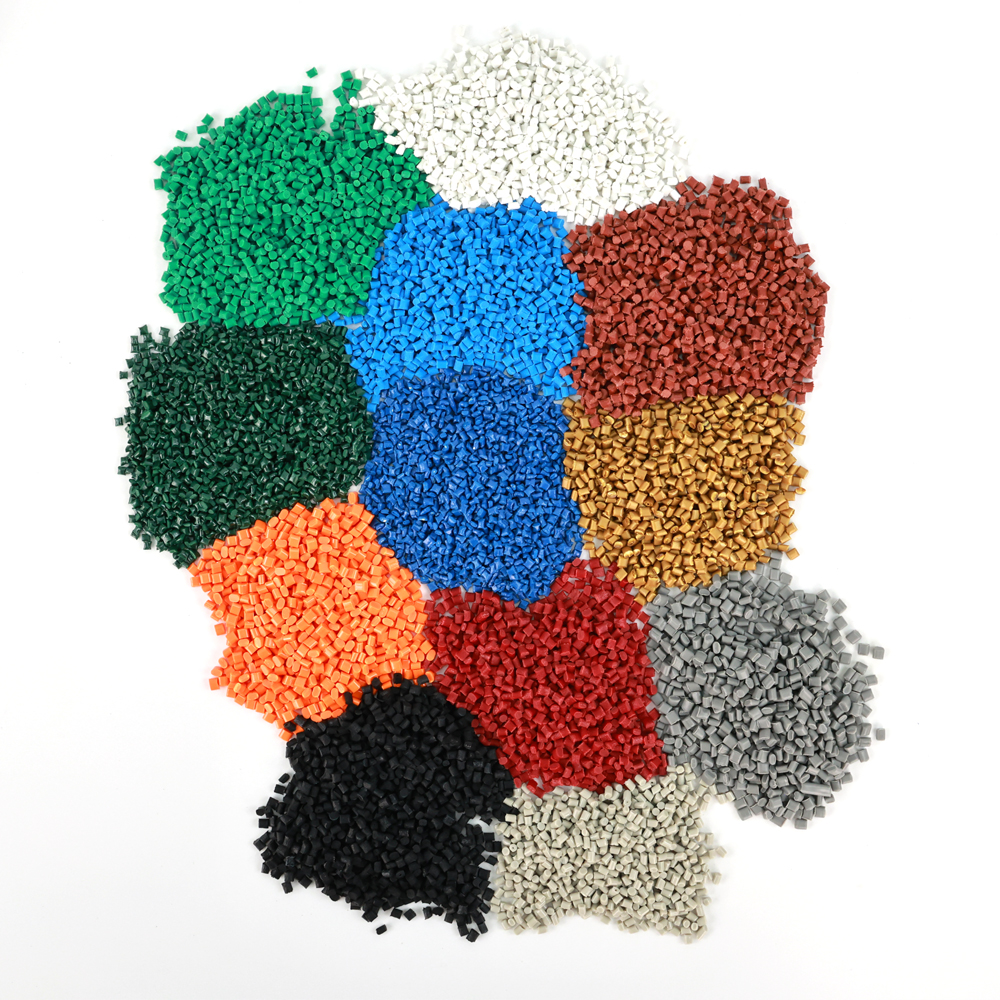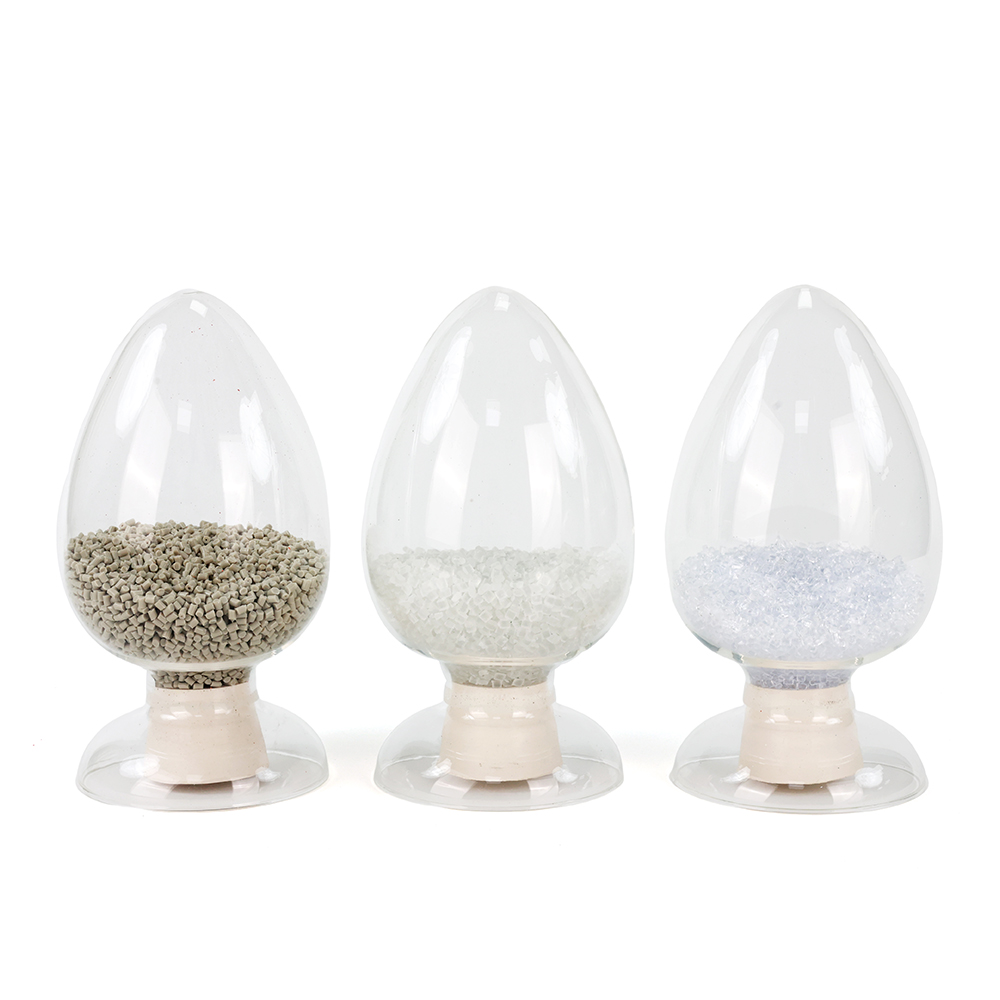
Nylon grades are selected in two steps: first choose the PA matrix, such as PA6, PA66, PA11, or PA12; then choose whether it remains unfilled or receives glass fiber, carbon fiber, impact, flame-retardant, wear, or other modification.
For the main commercial routes, unfilled PA is the baseline, GF20 adds moderate structural reinforcement, and CF30 targets higher specific stiffness or special electrical and dimensional requirements. The highest fiber percentage is not automatically the best grade.
Nylon Grade Selection at a Glance
| First Decision | Common Starting Point | 이유 |
|---|---|---|
| General molded part | Unfilled PA6 or PA66 | Toughness, wear, and processing balance |
| Moderate deflection control | PA-GF20 | More stiffness with a broader balance than higher loading |
| Structural molded part | PA-GF30 | Common stiffness and dimensional-control route |
| High specific stiffness or ESD review | PA-CF30 | Weight, low CTE, or electrical formulation requirements |
| Wet dimensional service | PA12 or qualified modified grade | Lower moisture uptake |
나일론 계열 개요
| 등급 | 유형 | 녹는점 | 수분 (50% 상대습도) | 주요 특징 |
|---|---|---|---|---|
| PA6 | 지방족 | 220°C | 2.7% | 내구성, 가공성 |
| PA66 | 지방족 | 260°C | 2.5% | 강도, 내열성 |
| PA11 | 바이오 기반 | 185°C | 0.8% | 유연성, 낮은 수분 함량 |
| PA12 | 지방족 | 178°C | 0.7% | 수분 흡수율이 가장 낮음 |
| PA46 | 지방족 | 295°C | 3.5% | 최고의 내열성 |
PA6: 다재다능한 주력 소재
PA6는 가장 널리 사용되는 나일론 등급으로, 전체 나일론 소비량의 약 60%를 차지합니다. 이 소재는 강도, 인성 및 가공성 면에서 탁월한 균형을 갖추고 있습니다.
주요 속성
- 인장 강도: 70~85 MPa
- 뛰어난 내충격성
- 우수한 표면 마감성과 착색성
- PA66보다 더 넓은 가공 범위
PA66: 고성능의 표준
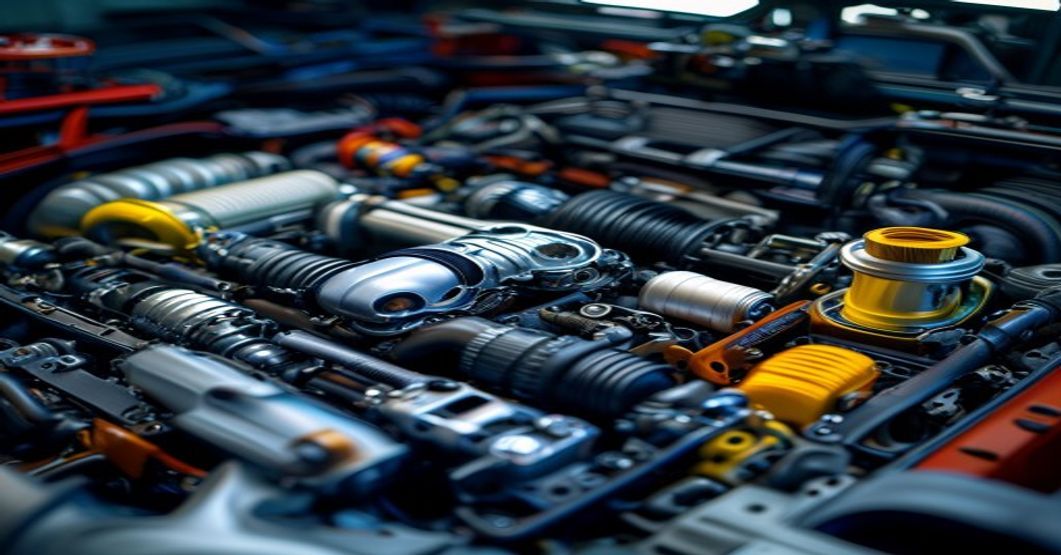
PA66은 PA6에 비해 강도와 강성이 약 10~15% 더 높으며, 내열성도 뛰어납니다. 까다로운 용도에 가장 적합한 소재입니다.
PA11 및 PA12: 특수 나일론
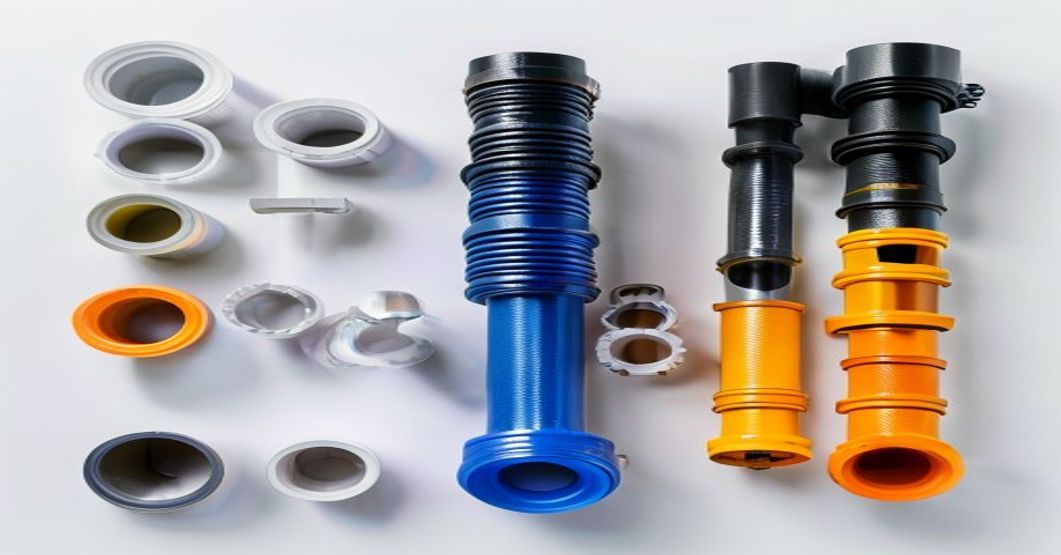
PA11과 PA12는 포화 상태에서도 1% 미만에 불과할 정도로 수분 흡수율이 매우 낮다는 점에서 차별화됩니다. 이로 인해 뛰어난 치수 안정성을 갖추고 있습니다.
PA46: 고온 전문 제품
PA46(스태닐)은 융점이 295°C로, 모든 지방족 나일론 중 가장 뛰어난 내열성을 자랑합니다.
Base Resin and Reinforcement Are Separate Decisions
PA6-GF20 and PA66-GF20 share the same glass percentage but not the same moisture response, melting range, heat capability, or processing window. The same applies to PA6-CF30, PA66-CF30, and PA12-CF30. Drawings and purchase orders should identify the complete matrix and modification package.
- Unfilled PA: prioritize toughness, fatigue, wear, surface quality, and easier processing.
- GF20: use when moderate stiffness and lower shrinkage are needed without moving directly to a higher glass loading.
- GF30: use for a common structural balance, with gate, weld-line, and warpage review.
- CF30: use when specific stiffness, low thermal expansion, weight, or an electrical target justifies the premium and processing controls.
선택 가이드
| 요구 사항 | 권장 학년 |
|---|---|
| 범용, 가격에 민감한 | PA6 |
| 고온 (>120°C) | PA66, PA46 |
| 습한 환경 | PA12, PA11 |
| 최대 강성 | PA66-GF30/50 |
Modified Nylon Grade and Supply Review
Nylon Plastic supplies unfilled and modified PA compounds, with primary article and product support centered on pure PA, PA-GF20, and PA-CF30 routes. Grade review should include the drawing, service conditions, required approvals, annual volume, color, and incumbent specification.
Common Nylon Grade Selection Mistakes
- Writing only “nylon” or “PA” on the drawing without identifying the matrix and modification.
- Comparing dry tensile values while the production part will operate in humid or conditioned service.
- Increasing fiber content before checking whether the real problem is geometry, gate position, weld lines, or creep.
- Choosing CF30 for maximum stiffness when a GF20 compound already meets the functional requirement at lower cost and processing risk.
- Assuming a flame, ESD, heat-stabilized, or approved formulation from the family name instead of the exact grade documentation.
Nylon Grade RFQ Checklist
A complete inquiry should identify the preferred PA matrix, reinforcement percentage, annual volume, drawing revision, color, molding process, service temperature, humidity, chemicals, impact, load duration, dimensional state, and regulatory requirements. Include the incumbent grade and failure mode when the request is a replacement project. This information allows the supplier to compare unfilled PA, GF20, GF30, and CF30 without relying on a generic strength ranking.
How Nylon Plastic Reduces Grade-Selection Risk
Buyers often receive quotations that list a resin family but omit the exact modification, conditioning state, or approval package. Nylon Plastic has worked across material modification and finished-product manufacturing since 2005, allowing one project review to connect grade selection with the intended molding, CNC, or 3D-printing route.
- Product focus: pure PA, PA-GF20, and PA-CF30 can be compared as distinct commercial routes.
- Custom compounding: formulation review is available when standard grades do not meet stiffness, impact, color, wear, flame, or dimensional requirements.
- Manufacturing feedback: gate direction, machining deformation, moisture conditioning, or print orientation can be considered before material approval.
- Buyer documentation: the RFQ can define TDS, COA, compliance, sample, incoming inspection, and lot-approval expectations before volume ordering.
자주 묻는 질문
Should I choose PA6 or PA66 for injection molding?
PA6 often provides a broader processing window and good toughness, while PA66 is commonly selected for higher strength and thermal margin. Moisture, impact, geometry, approvals, and exact grade data can change the decision.
When should an unfilled nylon grade be replaced with GF20?
Consider GF20 when the unfilled grade cannot meet deflection, creep, shrinkage, or loaded-temperature targets. Validate impact, weld lines, warpage, surface appearance, and tool wear before approval.
What is the difference between GF20 and CF30 nylon?
GF20 uses approximately 20% glass fiber and is generally a more cost-effective moderate reinforcement. CF30 uses approximately 30% carbon fiber and targets higher specific stiffness, lower thermal expansion, or electrical behavior, depending on the formulation.
What must a nylon grade RFQ include?
Include the PA matrix, reinforcement or modification, drawing, volume, service temperature, humidity, chemicals, load, impact, tolerances, color, flame rating, and regulatory requirements.
관련 읽기
- PA6 대 PA66: 어떤 나일론 등급이 귀하의 용도에 적합할까요?
- PA6와 PA12: 나일론 소재 선택에 대한 실용적인 가이드
- 나일론 12(PA12) - 가장 내습성이 뛰어난 엔지니어링 나일론
Request a Nylon Grade Review
Send the drawing, current material, target properties, annual volume, and operating environment. We can compare the matrix and modification separately before recommending unfilled PA, GF20, GF30, or CF30.