Nylon zinc chloride resistance is a niche topic until an outdoor or automotive part fails near road salt, deicing chemistry, or chloride contamination. Then it becomes a very expensive lesson in environmental stress cracking.
This guide explains why zinc chloride matters, which nylon applications are most exposed, and how engineers reduce cracking risk through better grade selection and validation.
Why Zinc Chloride Is a Problem for Some Nylons
Zinc chloride is used in some corrosion and deicing environments and is notorious for promoting stress-assisted cracking in certain nylon systems. The issue is not simply bulk chemical attack; it is often the combination of fluid contact plus tensile stress plus service temperature.
That means clips, retainers, fasteners, and molded connectors can fail even when an unstressed coupon seems acceptable.
Where Engineers Encounter This Risk
Automotive underbody and exterior fastening systems are the most common example. Road spray, deicing salts, trapped moisture, and molded-in stress can combine into a failure mechanism that does not show up in a dry lab test.
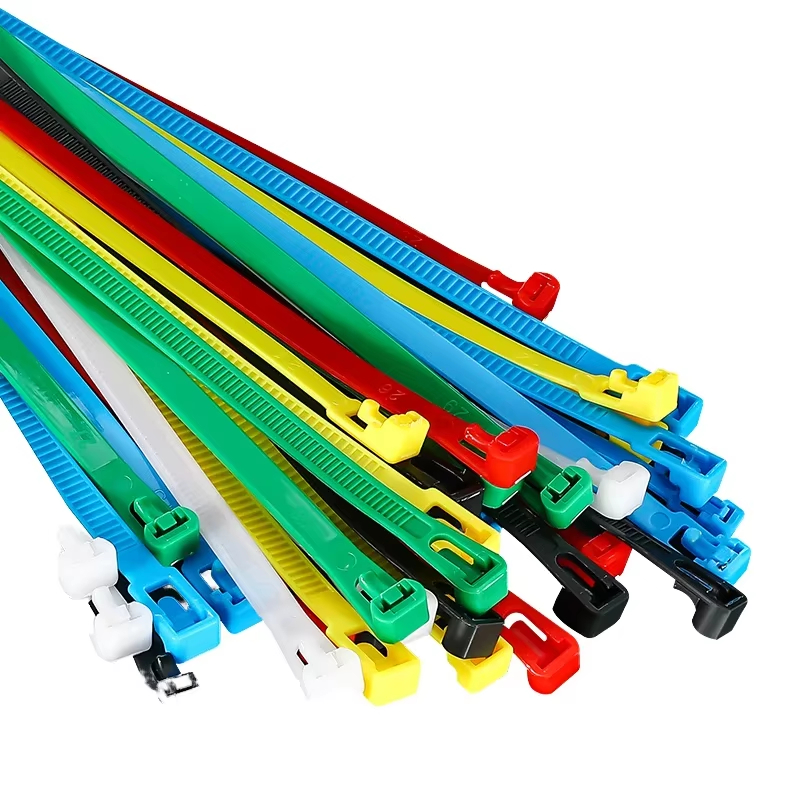
Cable ties, tube clips, quick connectors, and outdoor hardware all deserve a higher level of attention when chloride exposure is credible.
Why Long-Chain Nylons Are Often Preferred
PA11 and PA12 are often chosen where designers want lower moisture uptake and better resistance to chloride-stress environments. They are not universal fixes, but they frequently reduce the risk compared with short-chain nylon grades used outside their comfort zone.
This is one reason fuel lines, air-brake tubing, and outdoor flexible components often move toward long-chain polyamides.
How to Validate a Part Before Release
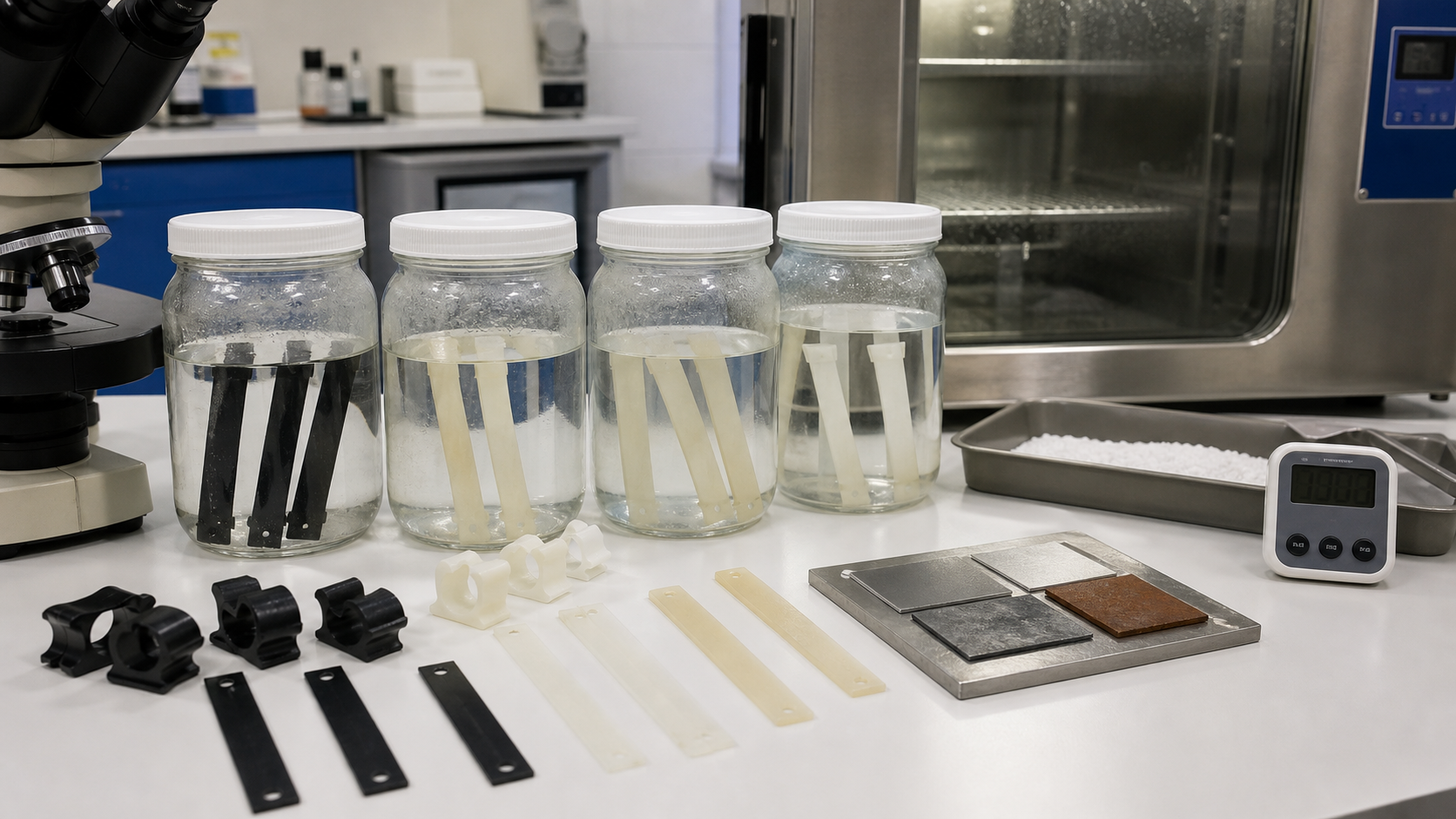
Do not depend on generic resin descriptions. The more useful workflow is to test stressed, molded parts or realistic assemblies in a chloride-containing environment and inspect for crack initiation, retention loss, and burst failure.
If the project is safety-related, validate the complete assembly after conditioning and thermal cycling.
관련 읽기
- Long-Chain Nylons PA11 and PA12 Guide
- Nylon for Automotive Applications
- Nylon 6 vs Nylon 66 Comparison Guide
자주 묻는 질문
Why can zinc chloride crack nylon parts?
Zinc chloride and some deicing environments can accelerate stress cracking in susceptible nylon parts, especially when molded-in stress, load, temperature and moisture are present.
Is all nylon vulnerable to road salt?
No. Resistance depends on the nylon family, grade, reinforcement, conditioning, part stress and exact salt chemistry. Testing should match the real exposure environment.
How can road-salt cracking risk be reduced?
Reduce molded-in stress, avoid sharp notches, select a suitable grade, validate chemical exposure, and test parts under realistic load, moisture and temperature conditions.