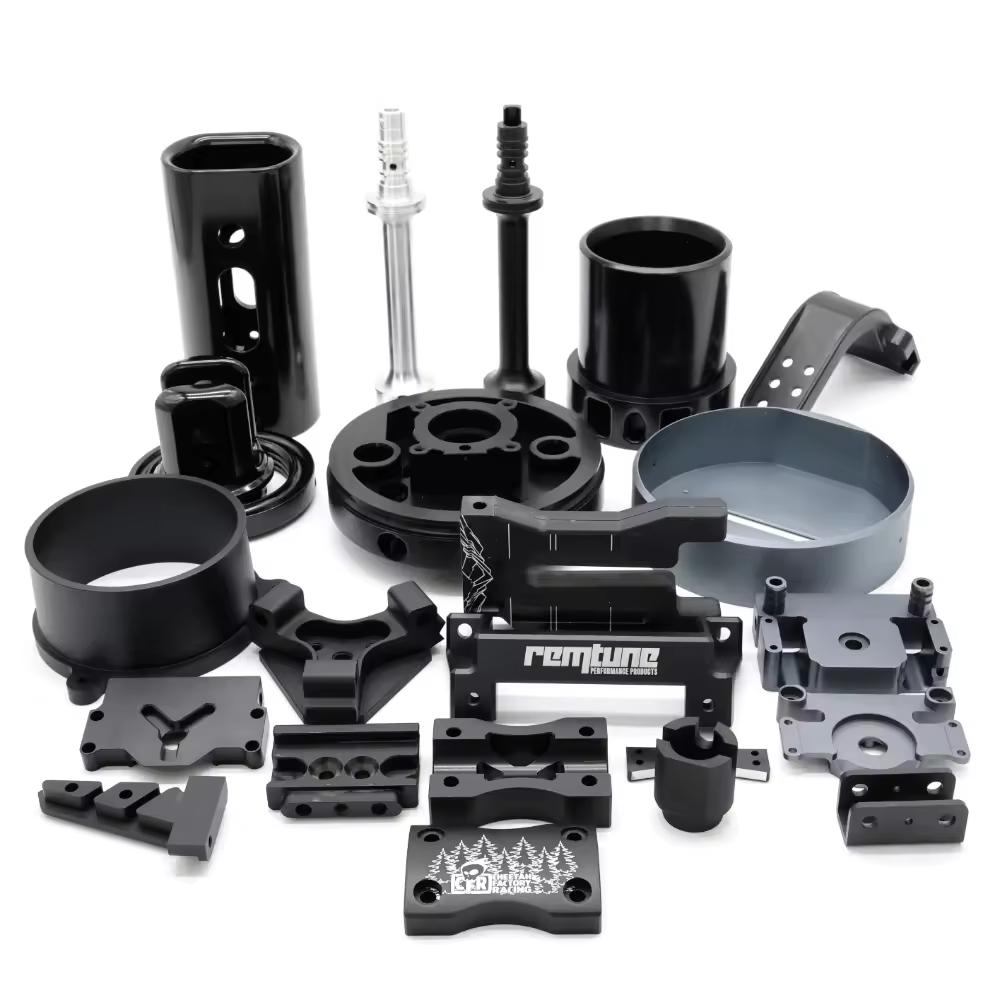
Transition Metals represents Complete Guide to Periodic Table Elements one of the most important technologies in modern manufacturing. This comprehensive guide examines the fundamental principles, operational techniques, and industrial applications of transition metals, providing engineers and manufacturing professionals with essential knowledge for process optimization and production efficiency.
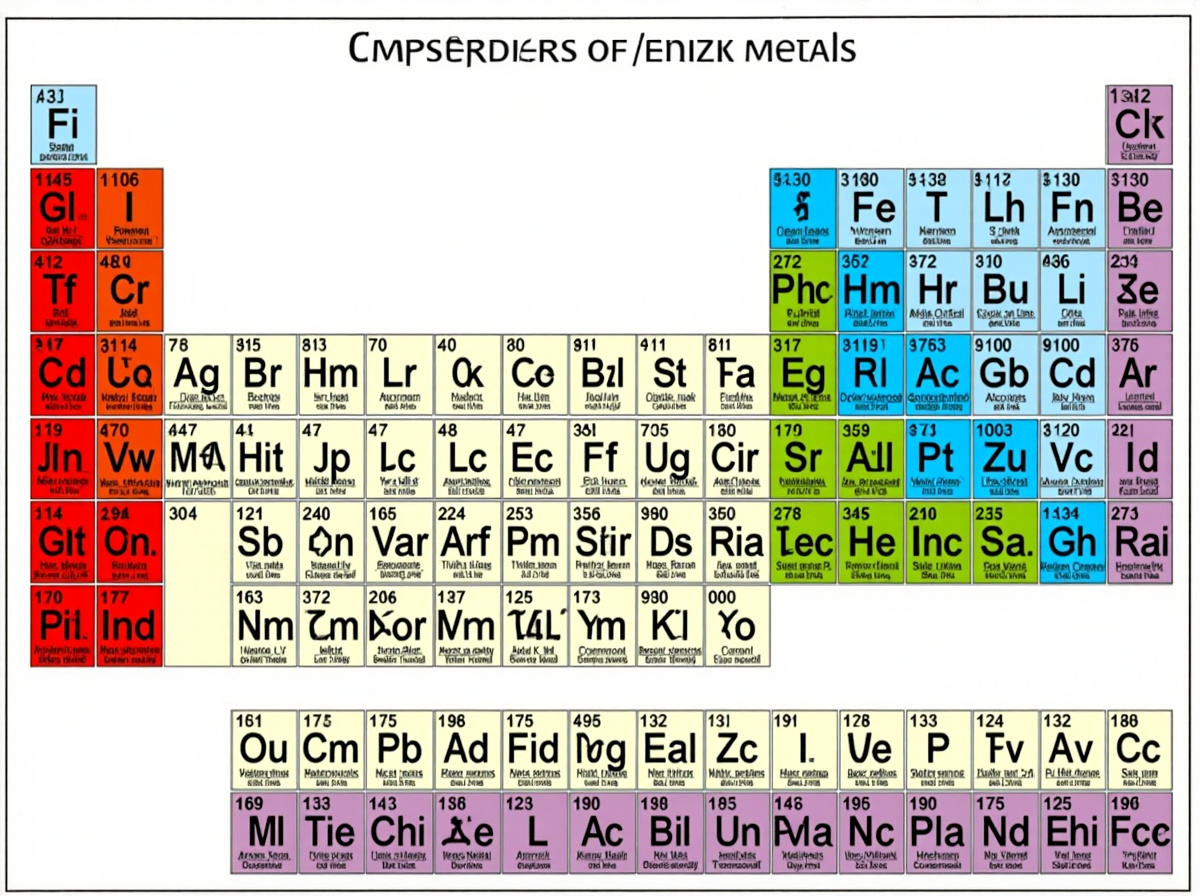
기본 원칙 및 특징
The transition metals principles determine their suitability for specific manufacturing applications. Key characteristics include precision capabilities, operational efficiency, material compatibility, and production scalability. Understanding these fundamental principles enables optimal technology selection across diverse industrial contexts.
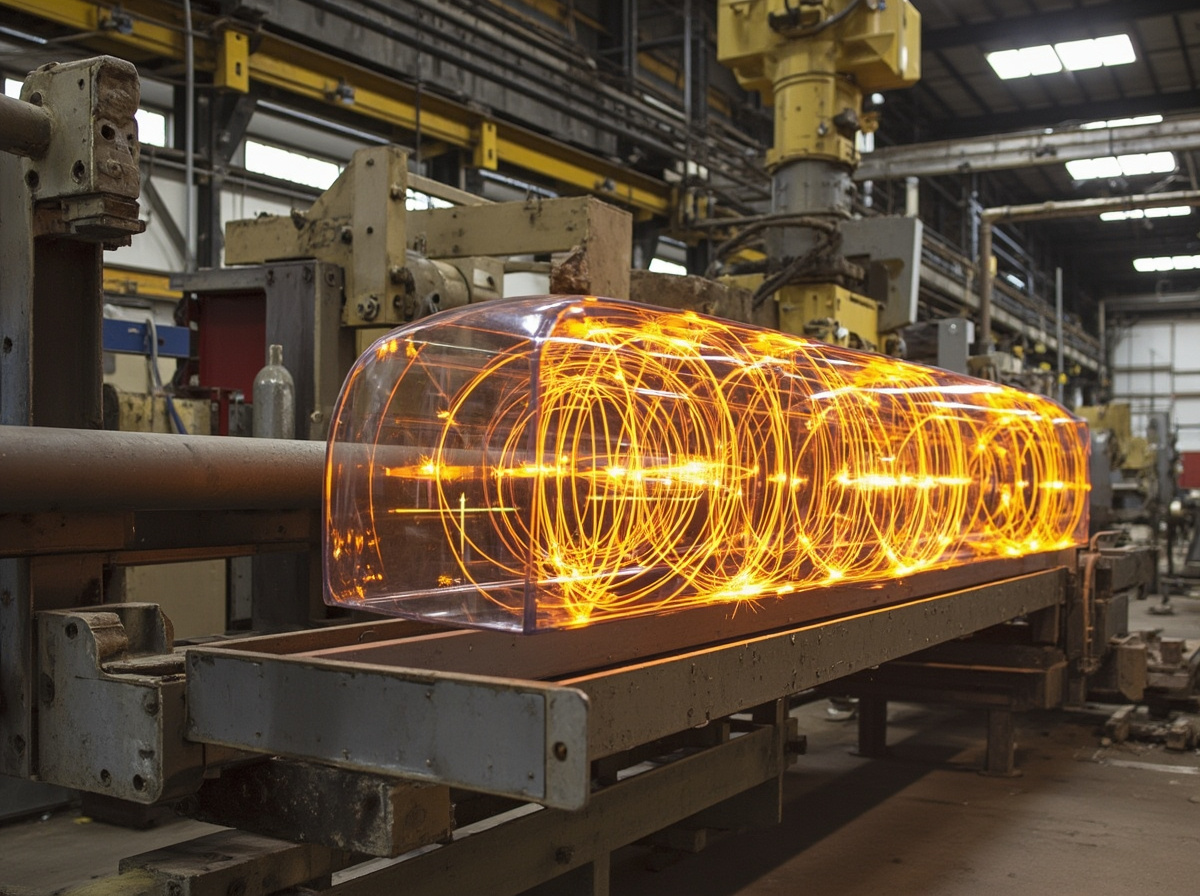
산업 애플리케이션
| 적용 분야 | 특정 용도 | 성능 요구 사항 | 기술적 장점 |
|---|---|---|---|
| 제조 | 컴포넌트 생산 | High precision, repeatability | 비용 효율적이고 안정적인 |
| Woodworking | Wood component fabrication | Complex geometry capability | Automated production |
| Metal Fabrication | Metal parts production | Material strength compatibility | Precision machining |
| 시제품 제작 | Prototype development | Quick iteration capability | Rapid development |
| 자동차 | Vehicle component production | Volume production efficiency | 대량 생산 |
운영 프로세스
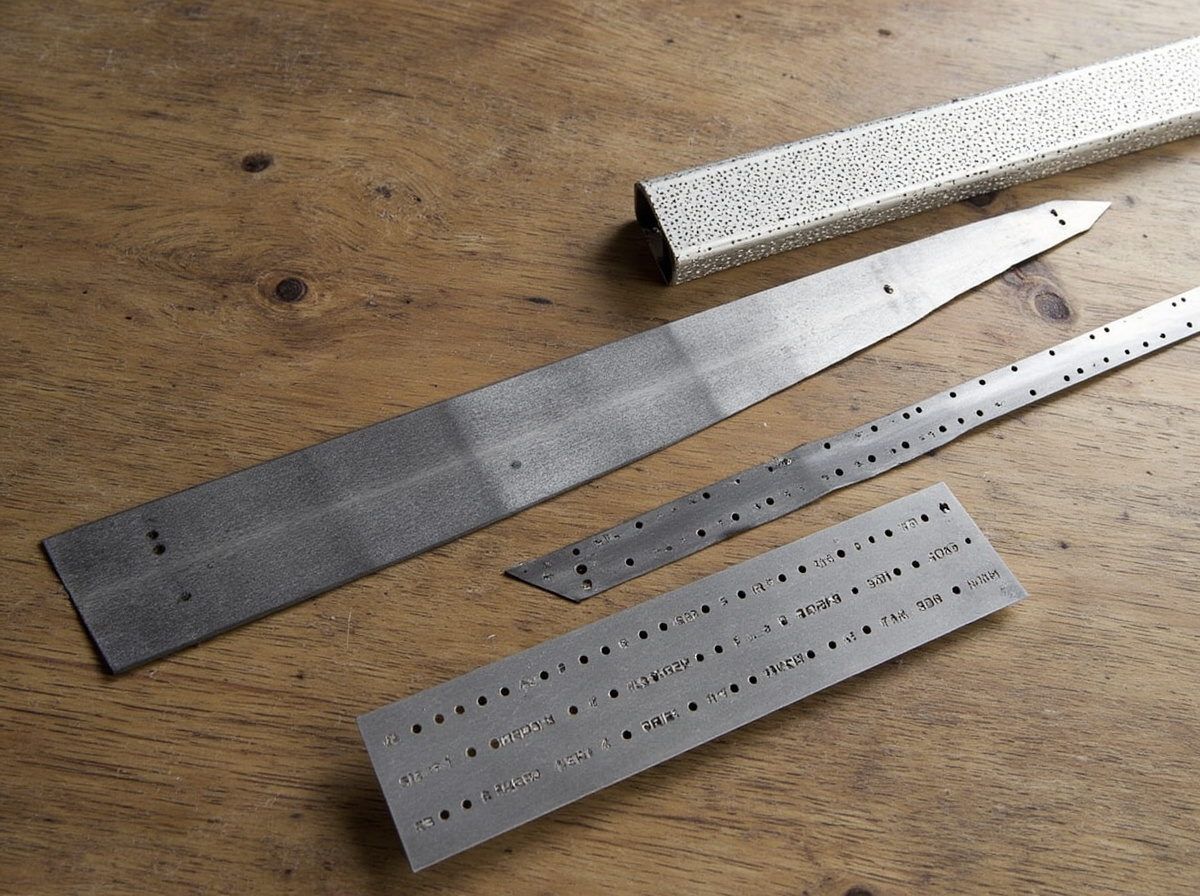
기술 선정 시 고려 사항
Selecting transition metals for manufacturing applications requires evaluating multiple performance criteria against cost constraints and production feasibility. Key considerations include precision requirements, material compatibility, production volume, and lifecycle costs.
성능 대 비용 분석
Technology selection balances performance requirements against economic constraints. transition metals offers specific advantages in applications requiring [performance characteristic], though alternative technologies may provide better cost-performance ratios for less demanding applications.
환경 및 규제 요인
Environmental regulations and sustainability considerations increasingly influence technology selection. transition metals compliance with relevant standards and regulations must be verified for specific applications and geographic markets.
향후 개발 및 동향
Advancements in transition metals technology continue to expand application possibilities while addressing efficiency concerns. Emerging trends include improved operational automation, enhanced precision capabilities through software development, and increased focus on energy efficiency and sustainability.
결론
transition metals represents a critical technology category with diverse industrial applications spanning manufacturing, fabrication, prototyping, and beyond. Understanding its fundamental principles, operational techniques, and application-specific considerations enables engineers and manufacturing professionals to make informed technology selection decisions that balance performance, cost, and sustainability requirements.
자주 묻는 질문
How should buyers evaluate Transition Metals: Complete Guide to Periodic Table Elements?
Transition Metals: Complete Guide to Periodic Table Elements should be evaluated by matching strength, corrosion resistance, heat exposure, machinability, finishing requirements, and certification needs to the operating environment.
What properties matter most for Transition Metals: Complete Guide to Periodic Table Elements?
가장 중요한 특성으로는 일반적으로 강도, 경도, 연성, 내식성, 열 거동, 가공성, 표면 처리 호환성 등이 있습니다.
올바른 금속 등급을 선택하는 데 도움이 되는 정보는 무엇인가요?
애플리케이션 부하, 환경, 온도, 접촉 재료, 필요한 마감, 생산 공정 및 적용 가능한 표준이 모두 등급 선택의 폭을 좁히는 데 도움이 됩니다.
What is a common mistake when choosing Transition Metals: Complete Guide to Periodic Table Elements?
흔히 저지르는 실수는 부식, 성형, 가공, 용접, 마감 또는 장기 사용 조건을 무시한 채 강도만 보고 선택하는 것입니다.