Recycled nylon (rPA) can reduce virgin-resin demand, but recycled-content percentage alone does not prove that a grade is suitable. Project teams must verify waste source, PA family, contamination control, molecular-weight consistency, reinforcement, additives, certification chain, and lot approval against the real part requirement.
재활용 나일론(rPA)이란 무엇인가요?
rPA로 지정된 재생 나일론은 신규 석유화학 원료가 아닌 회수된 폐자재를 사용하여 생산된 나일론 수지입니다. 이는 크게 두 가지 범주로 나뉩니다:
PCR (소비 후 재활용): 소비자가 사용한 후 제품에서 회수된 재료 — 버려진 자동차 부품, 카펫 섬유, 어망, 포장재 등. 대부분의 지속가능성 규정에서 “재활용 함량”을 명시할 때 지칭하는 것이 바로 PCR 함량입니다.”
PIR (산업 폐기물 재활용): 제조 공정에서 발생하는 스크랩(사출 성형용 스프루 및 러너, 압출 성형 시 발생하는 트림, 불량 부품 등)에서 회수된 소재입니다. PIR은 원산지가 명확하고 품질이 일관적이라는 장점이 있지만, PCR만큼의 지속가능성 프리미엄은 없습니다.
rPA의 품질 등급은 A등급(신재와 동등한 기계적 특성, 일관된 색상)부터 C등급(특성 저하, 색상 편차, 충전재가 포함되지 않은 용도에만 적합)까지 다양합니다.
rPA 재활용 공정
고품질의 rPA를 제작하려면 여러 단계의 과정이 필요합니다:
1. 수집 및 분류: 폐나일론은 산업 현장과 소비 후 폐기물에서 수거됩니다. 근적외선(NIR) 분광법은 주요 선별 기술로, 컨베이어 벨트가 작동하는 속도에서도 PA6와 PA66을 다른 플라스틱과 구분해 낼 수 있습니다. 오염도가 높은 폐기물의 경우, NIR 선별에 수동 선별을 병행합니다.
2. 세탁: 기름, 먼지, 라벨 등의 이물질은 고온 세척과 마찰 세정을 통해 제거됩니다. 소비 후 재활용 소재의 경우, 이것이 가장 중요한 품질 관리 단계입니다.
3. 연마: 깨끗한 나일론을 균일한 크기(일반적으로 8~12mm)의 조각이나 칩 형태로 분쇄하여 압출 공정에 사용할 수 있도록 준비합니다.
4. 복합 효과: 나일론 플레이크를 용융시킨 후 여과하고(용융 여과를 통해 40~80μm 크기의 잔류 불순물을 제거함), 열안정제, 가공 보조제, 내충격 개질제 등의 첨가제와 혼합하며, 보강 등급의 경우 유리 섬유(일반적으로 15~30%)를 첨가한다.
5. 펠릿화 및 시험: 이 화합물은 스트랜드 펠릿 형태로 가공되고 건조된 후, 포장 전에 용융 유동 지수, 기계적 특성, 수분 함량 및 색상 일관성에 대한 검사를 거칩니다.

rPA의 특성 대 버진 나일론
There is no universal property-retention percentage for recycled nylon. Results depend on the waste stream, number of heat histories, hydrolysis, contamination, filtration, stabilization, reinforcement, and test conditioning. Use supplier data for screening and test the final compounded grade.
| Approval Area | Virgin Nylon Baseline | rPA Review |
|---|---|---|
| Identity and traceability | Qualified resin source and grade | Waste source, PA family, PCR/PIR claim, and chain of custody |
| Mechanical performance | Grade-specific conditioned data | Lot variation, weld lines, impact, fatigue, and creep testing |
| Processing | Known drying and viscosity window | Moisture, viscosity drift, contamination, odor, and color variation |
| Compliance | Exact grade declarations | Recycled-content verification plus application-specific compliance |
재활용 나일론의 품질 문제
열 분해: 가열-냉각 주기가 반복될 때마다 폴리아미드 골격에서 사슬 절단이 발생하여 분자량이 감소하고, 그 결과 기계적 특성이 저하됩니다. 이는 상대 점도(RV)로 측정되는데, RV 2.7(신품)에서 RV 2.3으로 떨어지면 인장 강도가 10–15% 정도 감소할 수 있습니다.
오염: 다른 폴리머(특히 PP와 PE)와의 교차 오염이 가장 흔한 품질 문제입니다. 1% PP 오염의 경우에도, 두 소재가 호환되지 않기 때문에 성형 부품에 박리 현상이나 취약부가 발생합니다. 40~60μm의 용융 여과가 이를 방지하는 주요 방법입니다.
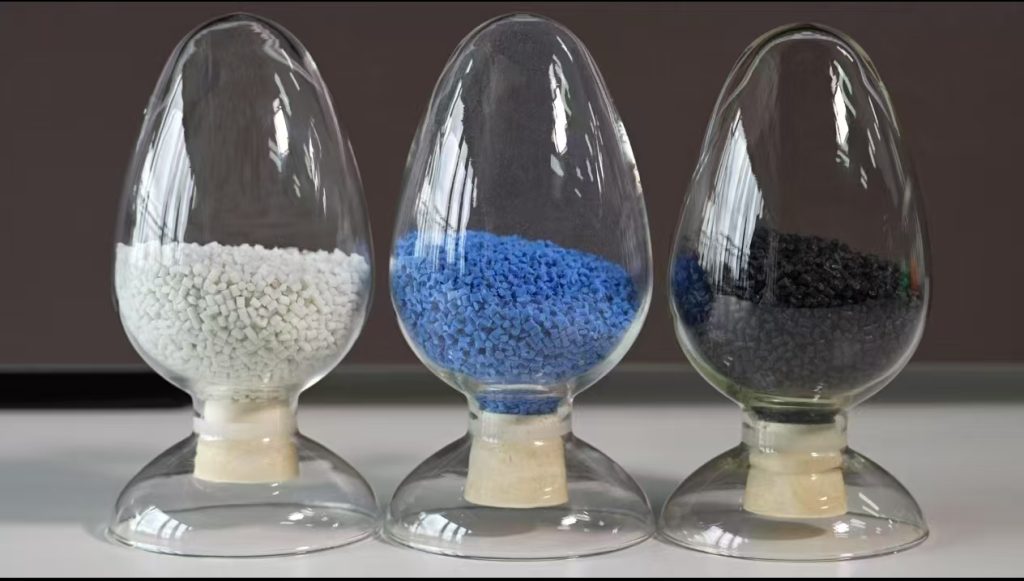
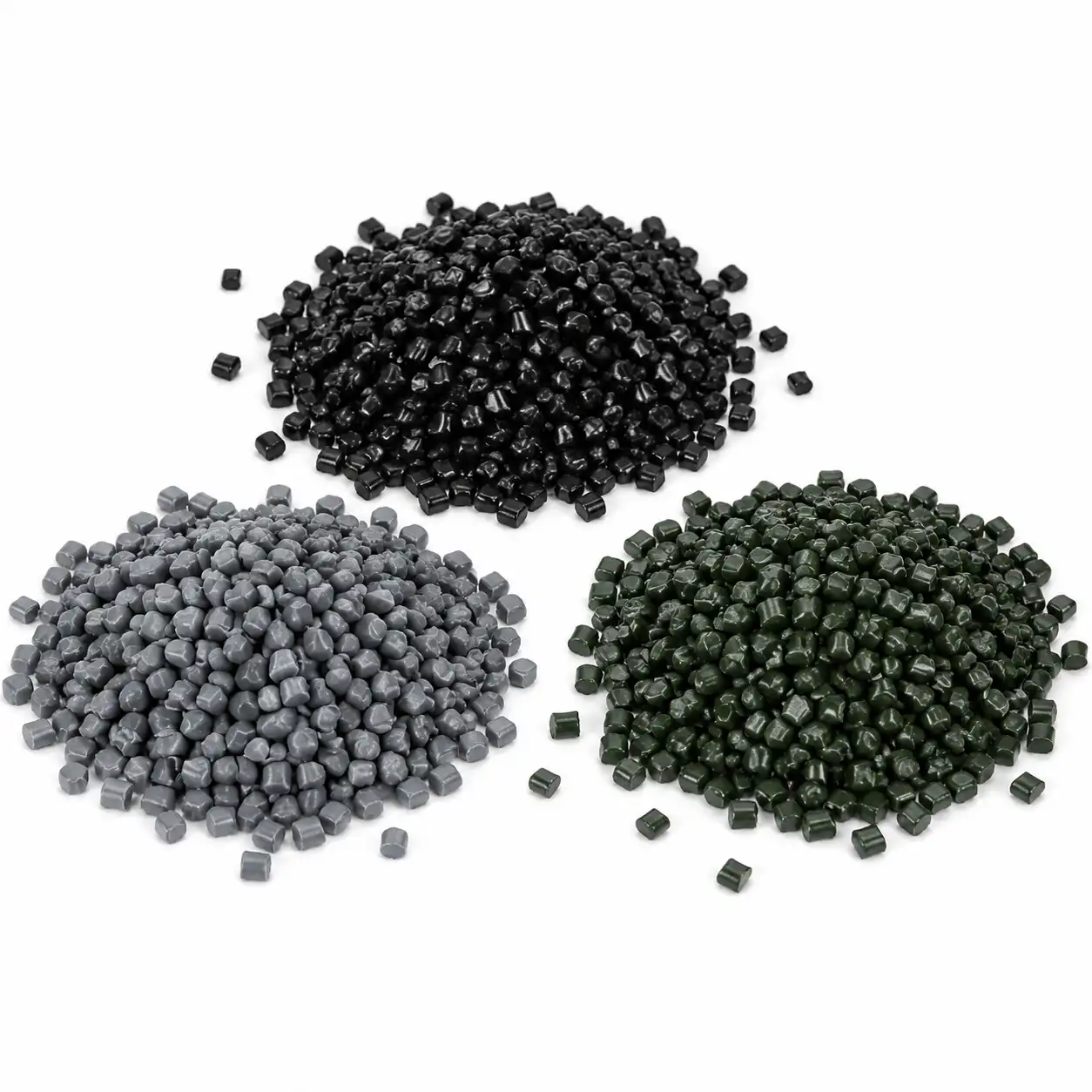
색상 옵션: PCR 나일론은 다양한 색상의 폐기물이 섞여 어두운 덩어리가 되기 때문에 거의 항상 짙은 회색에서 검은색을 띱니다. 따라서 사용 용도에 따라 밝은 색상이 필요한 경우, 뛰어난 선별 및 세척 능력을 갖춘 공급업체를 선택하지 않는 한 PCR 나일론을 사용하는 데 어려움이 따를 것입니다.
냄새: 소비 후 나일론에는 자동차 용액, 식품 포장재, 세정제 등 이전 용도에서 비롯된 잔류 냄새가 남아 있을 수 있습니다. 자동차 내장재나 소비자용 제품에 적용할 경우, 통기성 컴파운딩 및 열 탈착 공정을 통해 이를 관리해야 합니다.
rPA 등급 확인 가능
| 등급 | 출처 | 일반적인 PCR% | 주요 애플리케이션 |
|---|---|---|---|
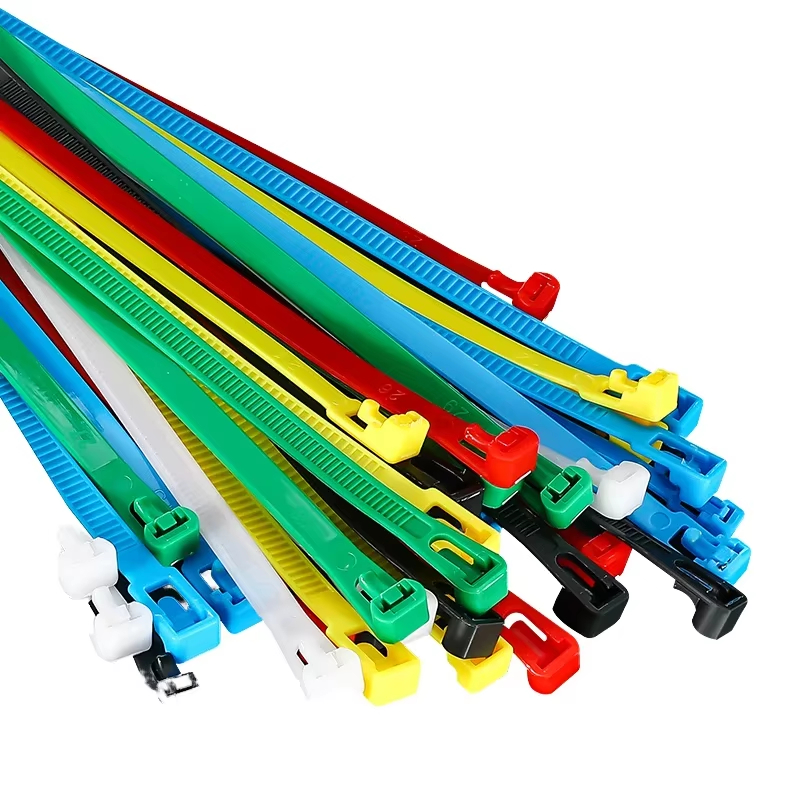
| rPA6 | 카펫 섬유, 어망 | 30–100% | 케이블 타이, 고정 장치, 비중요 하우징 |
| rPA66 | 에어백 원단, 자동차 폐자재 | 30–100% | 엔진 커버, 브라켓, 구조용 지지대 |
| rPA66 GF30 | 복합 소재 자동차 부품 | 25–50% | 엔진룸 내 부품, 팬 슈라우드, 흡기 매니폴드 |
| rPA6 GF30 | 산업 폐기물 발생원 | 25–50% | 공구 하우징, 전기 인클로저 |
인증 기준
나일론이 진정으로 재활용된 것임을 입증하려면 제3자 인증이 필요합니다:
- GRS (글로벌 재활용 표준): 가장 널리 인정받는 인증 제도입니다. GRS는 재활용 원료 함량을 검증하고, 공급망 전반에 걸쳐 이를 추적(유통 이력 관리)하며, 재활용 운영에 대한 사회적·환경적 요건을 규정합니다. 현재 적용 중인 버전은 GRS 4.0입니다.
- ISO 14021: 기업이 재활용 원료 함량 비율을 포함하여 환경 관련 주장을 자체적으로 표기할 수 있는 방법을 규정합니다. 문서화된 증거를 제출해야 하지만 제3자 감사는 의무화하지 않습니다.
- UL 2809 ECOLOGO: UL의 재활용 함량에 대한 환경 주장 검증 서비스. 제품에 표시된 비율만큼의 재활용 소재가 포함되어 있음을 독립적인 제3자 기관이 검증해 드립니다.
- EU 재활용 플라스틱 규정 (EU 2022/1616): 특히 식품과 접촉하는 재활용 플라스틱의 경우, 이 규정은 식품 포장재에 재활용 소재를 사용하는 것을 규제하며 EFSA의 안전성 평가를 의무화하고 있습니다.
비용 비교: rPA 대 버진
Recycled nylon is not automatically cheaper. Sorting, cleaning, testing, certification, stabilization, low-volume compounding, yield loss, and supply consistency can offset feedstock savings. Compare landed approved-material cost, not a generic price per kilogram.
Questions That Should Be Resolved in the RFQ
- Is the recycled claim PCR, PIR, mass-balance, or another documented route?
- Are PA family, reinforcement, additives, color, and allowed contamination defined?
- Which COA properties and incoming tests release each lot?
- Does a material or source change require notification and re-approval?
- Are critical, regulated, or safety-related applications covered by customer-specific approval?
나일론 플라스틱이 이 리뷰를 어떻게 뒷받침하는가
Nylon Plastic has worked across material modification and finished plastic-part manufacturing since 2005. This allows project teams to connect the resin decision with compounding, incoming inspection, injection molding, and sample validation rather than approving a grade from a family name or one dry data-sheet value.
- Compare unfilled PA, PA-GF20, and PA-CF30 against the actual failure mode.
- Review custom compounding when a standard grade misses stiffness, impact, color, wear, heat, or compliance requirements.
- Define TDS, COA, moisture, sample approval, traceability, and lot-release requirements before volume ordering.
Recycled Nylon Selection Summary
Use rPA only after the exact grade demonstrates the required performance and documentation. For applications where lot variation or approval risk is unacceptable, unfilled virgin PA, PA-GF20, or PA-CF30 may remain the safer commercial route.
결론
재활용 나일론은 본격적인 상용화 단계에 접어들었지만, 모든 용도에 적합한 것은 아닙니다. 안전성이 핵심이 아닌 자동차 엔진룸 내부 부품, 산업용 하우징, 가구 및 건축 자재의 경우, 고품질 rPA66 및 rPA66 GF30을 사용하면 성능 요건을 충족하는 동시에 지속 가능성 측면에서도 우수한 성과를 거둘 수 있습니다. 안전이 중요한 용도나 고온 환경, 정밀 공차가 요구되는 용도의 경우, 버진 나일론이 여전히 더 안전한 선택입니다. 핵심은 단순히 “친환경” 라벨만 내세우는 것이 아니라, 일관된 품질, 문서화된 인증, 그리고 현실적인 성능 데이터를 제공할 수 있는 공급업체와 협력하는 것입니다.
관련 읽기
For detailed PA66 GF30 properties and grade selection, see our glass-filled nylon grade comparison guide covering GF15, GF30, and GF60 stiffness, heat, warpage, and molding data.
자주 묻는 질문
재활용 나일론은 신나일론만큼 강도가 높나요?
It can approach a virgin grade in selected properties, but there is no universal retention percentage. Waste source, degradation, contamination, formulation, conditioning, and lot control determine performance.
What is the difference between PCR and PIR nylon?
PCR comes from products recovered after consumer use. PIR comes from controlled manufacturing scrap. The labels describe source, not automatic fitness for a specific part.
What documents should an rPA supplier provide?
Define recycled-content verification, TDS, SDS, batch COA, traceability, compliance declarations, source-change control, sample approval, and lot-release requirements.
Can recycled PA-GF30 replace a virgin grade?
Only after the exact compound passes material, molding, dimensional, mechanical, environmental, and customer approval requirements. Do not approve substitution from filler percentage alone.
Request a Recycled Nylon Grade Review
Send the incumbent grade, required recycled-content route, drawing, volume, approvals, and lot-control requirements for a grade and process review.