
| 속성 | 시험 방법 | LCP GF30 (II형) | LCP 무충진 (유형 II) |
|---|---|---|---|
| 밀도 | ISO 1183 | 1.62 g/cm³ | 1.40 g/cm³ |
| 녹는 온도 | ISO 11357 | 280°C | 280°C |
| HDT @ 1.80 MPa | ISO 75 | 240–260°C | 190–210°C |
| 인장 탄성계수 (유동 방향) | ISO 527 | 15,000 MPa | 10,000 MPa |
| 인장 탄성계수 (횡방향) | ISO 527 | 5,000 MPa | 3,000 MPa |
| 인장 강도 (유동 방향) | ISO 527 | 180 MPa | 180 MPa |
| 200°C에서의 인장 강도 | ISO 527 | ~150 MPa | 해당 사항 없음 |
| 휴식 시 연신율 | ISO 527 | 1.5–2.5% | 1.5–3.0% |
| 굴곡 탄성 계수 | ISO 178 | 13,000 MPa | 9,000 MPa |
| 샤르피 노치 충격 시험 +23°C | ISO 179/1eA | 15–25 kJ/m² | 20–30 kJ/m² |
| CTE (유동 방향) | ISO 11359 | 1–3 × 10⁻⁶/°C | 1–5 × 10⁻⁶/°C |
| CTE (횡단) | ISO 11359 | 15–30 × 10⁻⁶/°C | 25–50 × 10⁻⁶/°C |
| 수분 흡수율 (23°C, 24시간) | ISO 62 | < 0.05% | < 0.05% |
| 가연성 (UL94) | UL94 | V-0 @ 0.2 mm | V-0 @ 0.2 mm |
| 금형 수축(흐름) | ISO 294-4 | 0.0–0.2% | 0.0–0.3% |
| 성형 수축률 (횡방향) | ISO 294-4 | 0.4–0.7% | 0.5–0.9% |
| 1 GHz에서의 유전율 | IEC 60250 | 3.5–4.0 | 3.0–3.5 |
| 1 GHz에서의 손실 계수 | IEC 60250 | 0.005–0.010 | 0.003–0.008 |
LCP 대 PPS 대 PEEK: 고온용 열가소성 플라스틱 대결
엔지니어들이 얇은 벽 두께, 낮은 뒤틀림, 높은 치수 정밀도를 필요로 할 때 LCP 액정 고분자 소재가 선택됩니다.
LCP, PPS, PEEK는 200°C 이상의 고온용 열가소성 수지 분야에서 가장 자주 비교 검토되는 세 가지 소재입니다. 아래 표는 이들 중 어느 것도 다른 소재를 완전히 대체하지 못하는 이유를 보여줍니다. 각 소재는 특정 적용 범위에 부합하는 성능-비용 특성을 가지고 있기 때문입니다.
| 속성 | LCP GF30 | PPS GF40 | PEEK 30% GF |
|---|---|---|---|
| 밀도 | 1.62 g/cm³ | 1.65 g/cm³ | 1.49 g/cm³ |
| HDT @ 1.80 MPa | 240–260°C (유형 II) 300–350°C (유형 I) |
265°C | 315°C |
| 연속 사용 온도 | 200–240°C (유형 II) 260–300°C (I형) |
200–220°C | 250°C |
| CTE (유동 방향) | 1–3 × 10⁻⁶/°C | 15–25 × 10⁻⁶/°C | 15–25 × 10⁻⁶/°C |
| 200°C에서의 인장 탄성계수 | ~10,000 MPa | ~12,000 MPa | ~8,000 MPa |
| 200°C에서의 인장 강도 | ~150 MPa | ~130 MPa | ~120 MPa |
| 실온(RT)에서의 충격 인성 | 낮음 (15–25 kJ/m²) | 중간 (25–40 kJ/m²) | 높음 (50–70 kJ/m²) |
| 가연성 | V-0 내재적 (첨가제 없음) | V-0 (첨가제 포함) | V-0 (첨가제 포함) |
| 수분 흡수 | < 0.05% | 0.03% | 0.1% |
| 내화학성 | 우수 (산, 용매) | 탁월함 (200°C 이하에서는 거의 보편적임) | 탁월함 (강산은 제외) |
| 용접선 강도 | 열악한 (본질적으로 취약한) | 공정 | Good |
| 벽 두께 최소값 | 0.1 mm | 0.3 mm | 0.5 mm |
| 가공 온도 | 300–350°C | 320–340°C | 380–400°C |
| 금형 온도 | 80–120°C | 130–150°C | 170–200°C |
| kg당 상대적 비용 | $$$ | $$ | $$$$ |
| 최상의 대상 | 초박형 기판 전자 부품, 열팽창 계수(CTE)가 중요한 부품, SMT | 화학 공장, 온수, 구조물 | 최고의 인성, 의료용 임플란트, 항공우주 구조물 |
결정 규칙
- 다음과 같은 경우에는 LCP를 선택하십시오: 강철 근처에서 CTE(1–3 ppm/°C)가 필요하거나, 두께가 0.3 mm 미만인 벽면이 필요하거나, 성능 저하 없이 본질적으로 V-0 등급을 충족해야 하는 경우에 적합합니다. 전자 부품 커넥터, SIM 트레이, 5G 안테나 기판은 LCP가 가장 두각을 나타내는 분야입니다.
- 다음과 같은 경우에는 PPS를 선택하십시오: 내화학성이 가장 중요하며(특히 150°C 이상의 온수, 증기 또는 부식성이 강한 산), LCP보다 더 뛰어난 인성이 필요하고, 열팽창계수(CTE)는 그다지 중요하지 않습니다. 또한 PPS는 LCP보다 킬로그램당 약 30–40% 더 저렴합니다.
- 다음과 같은 경우에는 PEEK를 선택하십시오: 내구성이 필수 조건이거나, 250°C에 가까운 온도에서 지속적으로 사용해야 하거나, 생체적합성이 요구되는 경우입니다. 이 범주에서 하중을 지탱하는 의료용 임플란트의 경우 PEEK가 유일한 선택지이며, LCP나 PPS보다 증기 멸균에 더 잘 견딥니다.
LCP 상업용 등급 선택기
| 제조사 | 브랜드 | 등급 | GF % | 유형 | 주요 기능 | 일반적인 애플리케이션 |
|---|---|---|---|---|---|---|
| 셀라네즈 | Vectra | A130 | 30% | II | 범용 GF30, 표준 유량 | 커넥터, 보빈, 코일 금형 |
| 셀라네즈 | Vectra | E130i | 30% | II | 용접선 강도 향상, 인성 증대 | 복잡한 커넥터 형상 |
| 셀라네즈 | Vectra | A150 | 50% | II | 최대의 강성, 최소의 수축률 | 고강성 구조용 전자기기 |
| 셀라네즈 | Vectra | A230 | 30% 탄소 섬유 | II | 전도성이 뛰어나고 강성이 높음 | 정전기 방전(ESD)에 민감한 전자기기 |
| 셀라네즈 | Vectra | E820i Pd | 40% (GF+미네랄) | II | 도금용 등급, LDS 호환 | 3D-MID 회로, 안테나 기판 |
| 셀라네즈 | Vectra | E830i Pd | 30% GF | II | 식기용, FDA 기준 준수 | 의료기기 하우징 |
| 셀라네즈 | 제나이트 | 6130L | 30% | II | 낮은 워프, 균형 잡힌 유동 | SMT 커넥터, DDR 소켓 |
| 셀라네즈 | 제나이트 | 6145L | 45% | II | 날실 변형이 적고 강성이 높음 | 길고 가느다란 커넥터 |
| 폴리플라스틱스 | 라페로스 | A130 | 30% | II | 표준 GF30, 고유량 | 가전제품 |
| 솔베이 | Xydar | G-930 | 30% | I | I형 GF30 — 300°C 이상의 HDT | 오븐 부품, 항공우주용 커넥터 |
| 솔베이 | Xydar | G-945 | 45% | I | 제1형 최대 강성 | 고온 구조용 |
| 스미토모 | SUMIKASUPER | E6000 | 30% | II | 5G용 초저유전율 소재 | 5G 안테나 기판, 밀리미터파 |
| 도레이 | 시베라스 | LX70G30 | 30% | II | 내충격성이 향상된 GF30 | USB-C 커넥터, 카메라 모듈 |

LCP 가공: 사출 성형 파라미터
| 매개변수 | 권장 값 | 참고 |
|---|---|---|
| 예건 | 140–160°C에서 4시간 동안 | 제습기 필요. 목표 수분 함량 < 0.01% |
| 용융 온도 | 300–350°C | II형 등급; I형의 경우 350–400°C가 필요합니다. |
| 금형 온도 | 80–120°C | PPA나 PEEK보다 낮음 — 물로 가열하는 금형으로도 대개 충분함 |
| 주입 속도 | 빠른 | LCP는 빠르게 경화되므로, 얇은 벽면을 성형할 때는 충전 속도가 매우 중요합니다. |
| 압력 유지 | 40–60 MPa | LCP의 수축률은 유동 방향에서 거의 0에 가깝습니다. 빽빽하게 포장하지 마십시오. |
| 체류 시간 | 최소화 (10분 이하) | LCP는 열적 안정성이 뛰어나지만, 체류 시간이 길어지면 물성이 저하됩니다. |
엔지니어들이 얇은 벽 두께, 낮은 뒤틀림, 높은 치수 정밀도를 필요로 할 때 LCP 액정 고분자 소재가 선택됩니다.
처리 과정에 대한 핵심 통찰:
- 용접선은 아킬레스건입니다: LCP의 고도로 배향된 분자 구조로 인해 용접선이 본질적으로 취약하며, 용접선의 강도는 본체 강도의 30–50% 수준에 불과할 수 있습니다. LCP의 경우, 다른 어떤 엔지니어링 열가소성 플라스틱보다 게이트 배치의 중요성이 훨씬 큽니다. 가능한 경우, 하중을 받는 부위에 용접선이 생기지 않도록 부품을 설계하거나, 다중 게이트 순차 밸브 게이팅을 사용하여 압력 하에서 성형면을 접합해야 합니다.
- 건조는 필수입니다: LCP는 실온에서는 수분을 거의 흡수하지 않지만, 펠릿 표면에 있는 수분은 330°C에서 중합체를 가수분해시킵니다. 0.01%라는 수분 허용 기준은 대부분의 엔지니어링 폴리머에 적용되는 기준보다 더 엄격합니다.
- 이방성은 설계 단계에서 고려되어 있습니다: LCP의 기계적 특성은 본질적으로 이방성을 띠며, 유동 방향에서는 강도가 높고 횡방향에서는 강도가 낮습니다. 부품 설계 시 이 점을 반드시 고려해야 합니다. 등방성이 필요한 경우에는 광물 충전재 함유 제품이나 특수 등급을 고려하되, 강성이 다소 저하될 수 있음을 예상해야 합니다.
- 수축률이 낮고 정밀도가 높음: 유동 방향에서 수축률이 거의 제로에 가깝다는 것은 LCP 금형이 매우 엄격한 공차를 유지할 수 있음을 의미하지만, 이는 동시에 금형 캐비티를 사실상 최종 치수에 맞춰 가공해야 함을 뜻하기도 합니다. 폴리올레핀의 경우와 같이 “사이징 팩터’를 고려한 여유는 없습니다.
- 빠른 사이클 시간: LCP는 금형 벽면에 닿자마자 거의 즉시 경화됩니다. 소형 전자 커넥터의 경우 2~5초의 사출 주기가 일반적이며, 이것이 바로 LCP가 가진 가장 큰 가공상의 장점입니다.
LCP의 주요 응용 분야
| 산업 | 신청 | 운전 관련 부동산 |
|---|---|---|
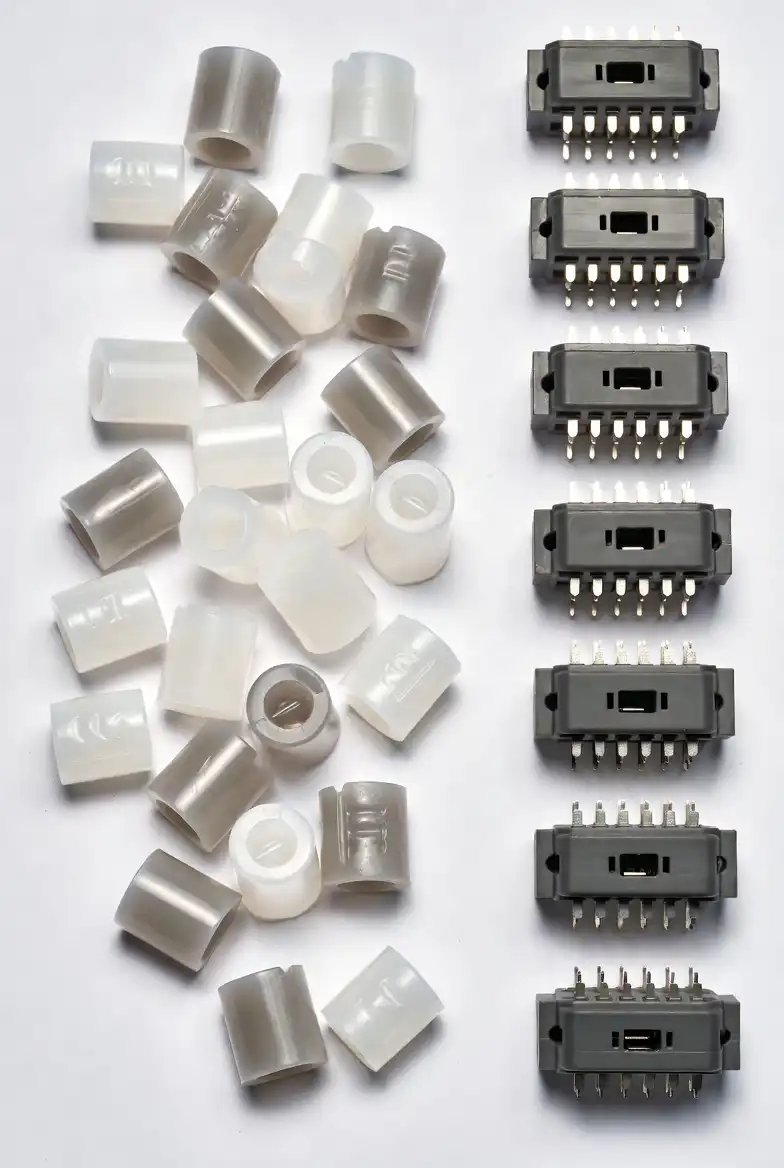
| 소비자 가전 | SIM 카드 트레이, USB-C 커넥터, DDR 메모리 소켓, 카메라 모듈 하우징 | 얇은 벽(0.1–0.3 mm), V-0 등급, 리플로우 공정 견디며, 구리와 열팽창 계수(CTE)가 일치함 |
| 5G / 통신 | 안테나 기판, 밀리미터파 렌즈 어레이, 기지국 커넥터 본체 | GHz 대역에서 낮은 Dk/Df, 치수 안정성 |
| 자동차 | 점화 코일 보빈, 변속기 속도 센서, 릴레이 베이스 | 내열성, 내유성, 전기 절연성 |
| 의료 | 수술 기구 손잡이, 치과 기구 본체, 카테터 부품 | 스팀 멸균 가능, 내화학성, 치수 정밀도 |
| 광섬유 | 광섬유 커넥터(MT, MPO 페룰), 정렬 슬리브 | 유리 섬유에 대한 CTE 일치, 마이크로 성형 정밀도 |
| 항공우주 | 고온용 커넥터 인서트, 도파관 부품, 레이돔 구조물 | I형 등급: 300°C 이상 사용 가능, 낮은 가스 방출, 경량 |
| 산업 | 펌프 마모 링, 화학용 밸브 시트, 베어링 케이지(고온용) | 150°C 이상의 내화학성, 부식성 매체에서의 치수 안정성 |

LCP의 한계
- 용접선 약화: 이 점은 아무리 강조해도 지나치지 않습니다. 부재의 응력이 가해지는 부위에 용융 전선이 수렴하는 현상이 있다면, LCP는 아마도 적합한 소재가 아닐 것입니다. LCP의 용접선 강도는 PPS보다 낮으며, PA66보다는 훨씬 더 낮습니다.
- 저충격 인성: 충진재가 포함되지 않은 LCP 등급과 글루텐 프리(GF) LCP 등급은 본질적으로 취성이 강합니다. 샤르피 노치 충격 흡수량이 15~25 kJ/m²에 불과하기 때문에, 스냅핏 방식의 응용 분야나 충격 하중을 받는 부품에는 적합하지 않습니다.
- 이방성 특성: 인장 탄성계수는 유동 방향과 횡방향 간에 3:1의 차이를 보일 수 있습니다. 금형 설계자가 이 사실을 알고 있다면 대처할 수 있지만, 부품을 등방성 소재를 기준으로 설계한 경우에는 문제가 될 수 있습니다.
- 비용: LCP의 가격은 표준 PA66 GF30의 3~6배, PPS GF40의 약 2배 수준입니다. 이는 열팽창계수(CTE), 얇은 벽 두께 성형 능력, 그리고 내재된 V-0 등급이 결합된 독보적인 특성에 대한 대가를 지불하는 것입니다.
- 색상 선택의 제한: LCP는 일반적으로 검은색이나 자연색입니다. 가공 온도가 높기 때문에 밝은 색상은 구현하기 어렵습니다.
- 노치 감도: LCP의 날카로운 노치는 균열이 쉽게 전파되게 합니다. 부품 설계 시 날카로운 내부 모서리가 생기지 않도록 주의하십시오.
LCP란 무엇인가요?
엔지니어들이 얇은 벽 두께, 낮은 뒤틀림, 높은 치수 정밀도를 필요로 할 때 LCP 액정 고분자 소재가 선택됩니다.
LCP(액정 고분자)는 엔지니어링 폴리머 계통에서 독보적인 위치를 차지하고 있습니다. LCP는 나일론도 아니고, 전통적인 의미의 폴리에스터도 아니며, 충전제가 첨가된 컴파운드도 아닙니다. LCP는 용융 상태에서 정렬된 막대 모양의 분자 구조를 형성하는 완전 방향족 폴리에스터입니다. LCP가 금형으로 유입되면, 이러한 견고한 분자 막대들이 유동 방향을 따라 정렬되어 성형 부품에 자기 보강과 유사한 효과를 부여합니다. 즉, 유동 축을 따라 나타나는 인장 탄성계수와 강도는 수지의 밀도와 조성에서 예상되는 수준을 훨씬 뛰어넘습니다.
엔지니어들이 얇은 벽 두께, 낮은 뒤틀림, 높은 치수 정밀도를 필요로 할 때 LCP 액정 고분자 소재가 선택됩니다.
그 결과, HDT 값이 300°C를 초과하고, 열팽창 계수가 강철 수준(1–3 × 10⁻⁶/°C)에 달하며, 벽 두께를 0.1 mm까지 얇게 제작할 수 있고, 첨가제를 추가하지 않아도 UL94 V-0 등급의 내화성을 갖췄습니다. LCP의 가격대에서 이러한 일련의 특성을 모두 갖춘 열가소성 수지는 없습니다.
엔지니어들이 얇은 벽 두께, 낮은 뒤틀림, 높은 치수 정밀도를 필요로 할 때 LCP 액정 고분자 소재가 선택됩니다.
다음과 같은 제품을 찾고 있는 엔지니어 및 구매 담당자분들께 LCP 데이터시트, Vectra와 Zenite 등급 비교, LCP·PPS·PEEK 선정 가이드, 또는 LCP 박벽 성형 매개변수, 이 페이지에는 주요 사양, 등급, 가공 가능 기간 및 적용 데이터가 종합되어 있습니다.
LCP 유형 분류: I, II, III
엔지니어들이 얇은 벽 두께, 낮은 뒤틀림, 높은 치수 정밀도를 필요로 할 때 LCP 액정 고분자 소재가 선택됩니다.
LCP 계열은 단량체의 화학적 특성과 이에 따른 골격의 강성에 따라 열변형 온도(HDT)를 기준으로 세 가지 유형으로 분류됩니다.
| 유형 | HDT 범위 (°C) | 기초 화학 | 예시 브랜드 | 주요 기능 | 일반적인 용도 |
|---|---|---|---|---|---|
| 제1형 | 250–350 | 파라-하이드록시벤조산 + 비페놀 + 테레프탈산 | 자이다(솔베이), 에코놀 | 최고의 내열성을 자랑하며, 300°C 이상의 환경에서 지속적으로 견딜 수 있습니다. | 오븐 용기, 항공우주, 고온용 커넥터 |
| II형 | 180–240 | 파라-하이드록시벤조산 + 6-하이드록시-2-나프토산 | Vectra (셀라니즈), Zenite (셀라니즈) | 가공성, 물성 및 비용 간의 최적의 균형 | 전자 커넥터, SMT, 5G 부품 |
| III형 | 60–210 | 에틸렌 테레프탈레이트 + 파라-하이드록시벤조산 | X7G, 로드런 | 최저 비용, 최저 발열 — 유량이 T보다 더 중요한 경우에 사용됨 | 벽이 얇은 소비재, 섬유 |
엔지니어들이 얇은 벽 두께, 낮은 뒤틀림, 높은 치수 정밀도를 필요로 할 때 LCP 액정 고분자 소재가 선택됩니다.
실제로는 II형(Vectra/Zenite)이 상업용 사출 성형 분야에서 주류를 이루고 있다 — LCP 소비량의 약 80%가 이 부문에 해당합니다. 타입 I은 비용이 부차적인 고려 사항인 최고 온도 용도에 한정되어 사용됩니다. 타입 III은 가공업체들이 고온 등급에 대한 경험을 쌓으면서 대체로 타입 II로 대체되었습니다.
LCP GF30의 대표적 특성

LCP Engineering Notes
LCP Meaning and Melt Structure
엔지니어들이 얇은 벽 두께, 낮은 뒤틀림, 높은 치수 정밀도를 필요로 할 때 LCP 액정 고분자 소재가 선택됩니다.
LCP는 액정 고분자(Liquid Crystal Polymer)의 약자입니다. 이 이름은 이 소재의 독특한 특성에서 유래한 것으로, 용융 상태에서도 LCP 분자는 일정한 배향 질서(“액정” 상)를 유지하는 반면, 기존의 고분자는 용융 시 분자가 무작위로 꼬여 있는 형태를 띱니다. 이러한 액정성 용융 구조 덕분에 LCP는 뛰어난 유동성, 자가 보강 특성, 낮은 열팽창률을 갖게 됩니다.
LCP Type I, II and III
엔지니어들이 얇은 벽 두께, 낮은 뒤틀림, 높은 치수 정밀도를 필요로 할 때 LCP 액정 고분자 소재가 선택됩니다.
이 세 가지 유형은 열변형 온도(HDT)에 따라 구분됩니다. 제1형(250–350°C, 예: Xydar)은 항공우주와 같이 최고 온도가 요구되는 분야에 사용되며, 제2형(180–240°C, 예: Vectra, Zenite)은 범용 전자제품 및 자동차 분야에 사용되며, 상업용 LCP 소비량의 대부분을 차지합니다; 그리고 제3형(60–210°C, 예: X7G)은 저비용 변형 제품으로, 현재는 대부분 제2형으로 대체되었습니다.
LCP and PEEK Selection Boundary
엔지니어들이 얇은 벽 두께, 낮은 뒤틀림, 높은 치수 정밀도를 필요로 할 때 LCP 액정 고분자 소재가 선택됩니다.
“더 낫다”는 것은 요구 사항에 따라 달라집니다. LCP는 200°C에서 유동 방향 강성이 더 높고, 열팽창 계수(CTE)가 더 낮으며(1–3 대 15–25 ppm/°C), 사이클 시간이 더 짧고(2–5초 대 30초 이상), PEEK보다 킬로그램당 비용이 더 저렴합니다. PEEK는 충격 인성(50–70 대 15–25 kJ/m²), 연속 사용 온도(250°C 대 200–240°C)가 훨씬 우수하며, 용접선 강도도 LCP를 훨씬 능가합니다. 부하 상태에서 용융 전선이 수렴하는 부품이라면 PEEK를 선택하십시오. 열팽창 계수(CTE) 일치와 V-0 등급이 필요한 얇은 벽면의 전자 커넥터라면 LCP가 더 적합합니다.
LCP Metal-Replacement Applications
엔지니어들이 얇은 벽 두께, 낮은 뒤틀림, 높은 치수 정밀도를 필요로 할 때 LCP 액정 고분자 소재가 선택됩니다.
특정 용도에서는 그렇습니다. LCP의 열팽창계수(CTE)는 1–3 × 10⁻⁶/°C로, 다른 어떤 무충진 열가소성 플라스틱보다 강철 및 구리와 더 잘 일치합니다. 이 때문에 LCP는 SIM 카드 트레이, 카메라 모듈 하우징, 광섬유 페룰 등에서 금속을 대체하게 되었습니다. 이 부품은 조립 및 작동 온도 범위 전반에 걸쳐 금속 및 유리 부품과 치수적 호환성을 유지하기 때문입니다.
LCP Moisture Absorption
엔지니어들이 얇은 벽 두께, 낮은 뒤틀림, 높은 치수 정밀도를 필요로 할 때 LCP 액정 고분자 소재가 선택됩니다.
아닙니다. 이것이 바로 LCP의 가장 큰 장점 중 하나입니다. 수분 흡수율이 0.05% 미만이므로, LCP 부품은 습한 환경에서 팽창하지 않을 뿐만 아니라 사용 전 컨디셔닝 과정도 필요하지 않습니다. 여기에 유동 방향의 성형 수축률이 거의 제로에 가깝다는 점이 더해져, LCP는 운송이나 보관 시의 습도 조건과 관계없이 조립 시 엄격한 공차를 충족해야 하는 부품에 있어 가장 선호되는 소재가 되었습니다.
LCP Temperature Capability
엔지니어들이 얇은 벽 두께, 낮은 뒤틀림, 높은 치수 정밀도를 필요로 할 때 LCP 액정 고분자 소재가 선택됩니다.
II형 LCP(Vectra/Zenite)는 200–240°C의 연속 사용 등급을 가지며, 무연 리플로우 납땜 시 260°C까지 단기간 내열이 가능합니다. Type I LCP(Xydar)는 260–300°C에서 연속 사용이 가능합니다. Type II의 녹는점은 약 280°C이며, Type I의 경우 350°C를 초과합니다.
엔지니어들이 얇은 벽 두께, 낮은 뒤틀림, 높은 치수 정밀도를 필요로 할 때 LCP 액정 고분자 소재가 선택됩니다.
LCP 펠릿, Vectra 또는 Zenite 데이터시트가 필요하신가요? 아니면 적합한 LCP 등급을 선택하는 데 도움이 필요하신가요? 당사는 셀라네즈(Celanese), 폴리플라스틱스(Polyplastics), 스미토모(Sumitomo)의 GF-카본, 도금 가능, 저변형 LCP 등급 제품을 공급합니다. 부품 형상, 온도 및 전기적 요구 사항을 알려주시면 상담해 드리겠습니다.
자주 묻는 질문
LCP가 다른 엔지니어링 플라스틱과 다른 점은 무엇인가요?
엔지니어들이 얇은 벽 두께, 낮은 뒤틀림, 높은 치수 정밀도를 필요로 할 때 LCP 액정 고분자 소재가 선택됩니다.
액정 고분자(LCP)는 성형 과정에서 자체 보강되는 독특한 강성 막대형 분자 구조를 가지고 있어, 일부 금속에 필적하는 유동 방향 특성을 나타냅니다. 또한 초고도의 내화학성을 갖추고 있으며, 수분 흡수율은 거의 제로에 가깝습니다 (<0.03%)이며, 탁월한 박벽 유동성을 갖추고 있어 벽 두께를 0.2mm까지 얇게 만들 수 있습니다.
전자 분야에서 LCP의 주요 용도는 무엇인가요?
엔지니어들이 얇은 벽 두께, 낮은 뒤틀림, 높은 치수 정밀도를 필요로 할 때 LCP 액정 고분자 소재가 선택됩니다.
LCP는 고주파 커넥터(5G, USB-C), 미세 피치 SMT 커넥터, 릴레이 부품 및 스마트폰 내부 구조 부품에 주로 사용되는 소재입니다. GHz 대역에서 낮은 유전율(3.0~3.5)과 낮은 손실 계수를 나타내므로 고속 신호 무결성을 확보하는 데 이상적입니다.
Vectra LCP와 Zenite LCP는 어떻게 다른가요?
엔지니어들이 얇은 벽 두께, 낮은 뒤틀림, 높은 치수 정밀도를 필요로 할 때 LCP 액정 고분자 소재가 선택됩니다.
Vectra(셀라니즈)와 Zenite(듀폰/셀라니즈)는 모두 열변성 LCP 제품군입니다. Vectra A-시리즈는 HDT가 약 280°C인 범용 등급입니다. 제나이트(Zenite) 등급은 주로 복잡한 다중 게이트 금형에서 용접선 강도를 높이고 유동성을 개선하도록 배합됩니다. 두 제품군 모두 유사한 기본 특성을 제공하지만, 등급별로 장단점이 있습니다.
LCP를 의료 분야에 사용할 수 있나요?
엔지니어들이 얇은 벽 두께, 낮은 뒤틀림, 높은 치수 정밀도를 필요로 할 때 LCP 액정 고분자 소재가 선택됩니다.
네, 특정 LCP 등급은 단기적인 환자 접촉에 대한 USP Class VI 및 ISO 10993 생체적합성 요건을 충족합니다. 이러한 소재는 수술 기구, 약물 전달 장치 부품 및 치과용 기구에 사용됩니다. LCP는 열화 없이 반복적인 오토클레이브 멸균을 견딜 수 있는 특성을 가지고 있으며, 이는 다른 많은 고분자 소재에 비해 갖는 주요 장점입니다.
엔지니어들이 얇은 벽 두께, 낮은 뒤틀림, 높은 치수 정밀도를 필요로 할 때 LCP 액정 고분자 소재가 선택됩니다.
최종 업데이트: 2026년 6월. 데이터시트의 수치는 대표값입니다. 특정 등급의 특성에 대해서는 반드시 제조사의 최신 기술 데이터시트를 통해 확인하시기 바랍니다. Vectra 및 Zenite는 Celanese의 등록 상표입니다. Xydar는 Solvay의 등록 상표입니다. PEEK는 Victrex의 등록 상표입니다. PPS는 Ryton(Solvay) 및 Fortron(Celanese)을 비롯한 다양한 상표명으로 판매됩니다.