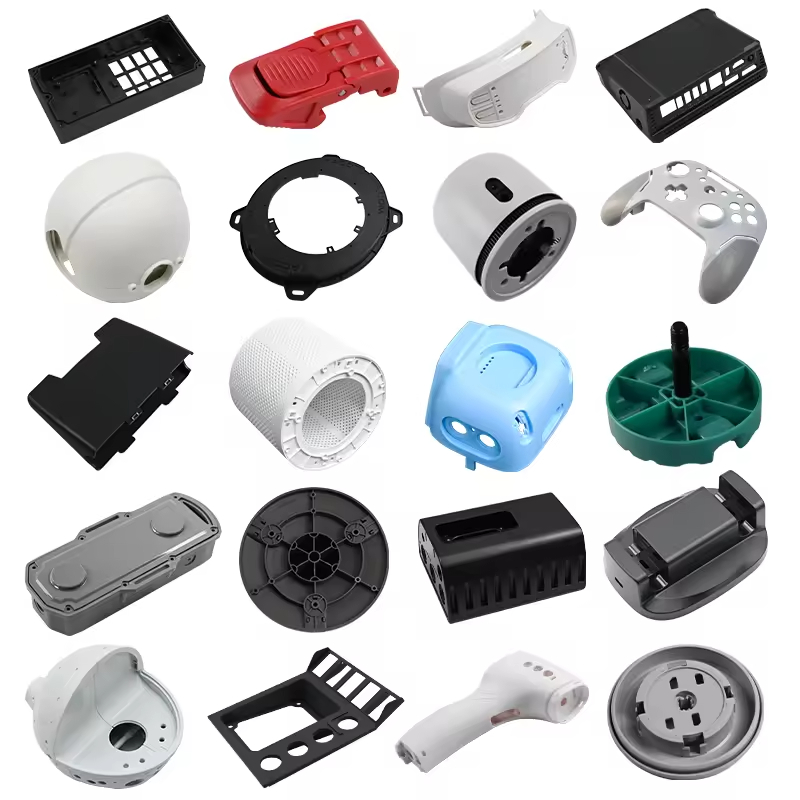

몰드 플로우 분석이란 무엇이며, 왜 중요한가?
금형 유동 해석은 사출 금형 캐비티 내부에서 용융 플라스틱이 어떻게 행동할지 예측하는 소프트웨어 시뮬레이션입니다. 엔지니어들은 강판을 절단하기 전에 이러한 시뮬레이션을 수행하여 충전 거동을 파악하고, 문제 영역을 식별하며, 금형 설계를 최적화합니다. 그 결과 금형 수정 횟수가 줄어들고, 리드 타임이 단축되며, 상당한 비용 절감 효과를 얻을 수 있습니다.
금형 비용이 $30,000에서 $80,000 사이인 일반적인 중량산 프로젝트의 경우, 금형 유동 해석에 $1,500에서 $3,000을 투자하면 일반적으로 재작업 비용을 $10,000에서 $30,000까지 절감할 수 있습니다. 이는 시장 출시 기간 단축 효과를 고려하기 전에도 10:1을 상회하는 투자 수익률을 의미합니다.

몰드 플로우 분석이 예측하는 것
제대로 수행된 금형 유동 시뮬레이션을 통해 부품 품질과 금형 비용에 직접적인 영향을 미치는 다음 여섯 가지 핵심 데이터를 얻을 수 있습니다:
1. 채우기 패턴
이 시뮬레이션은 용융 전선이 금형 내부를 밀리초 단위로 어떻게 전파되는지 보여줍니다. 플라스틱이 정확히 어디로 유입되는지, 유동이 균형을 이루고 있는지, 그리고 가장 마지막에 채워지는 영역이 어디인지 확인할 수 있습니다. 채움 불균형은 차등 수축, 내부 응력 및 뒤틀림을 유발합니다. 게이트 위치 조정이나 러너 크기 조정을 통해 조기에 문제를 해결하는 것은 나중에 금형을 재가공하는 데 드는 비용에 비하면 거의 비용이 들지 않습니다.
2. 주입 압력 분포
캐비티를 가로지르는 압력 강하를 통해 해당 부품을 적정 규모의 사출 성형기로 채울 수 있는지 여부를 알 수 있습니다. 필요한 사출 압력이 사출 성형기 용량의 80%를 초과하는 경우, 더 큰 사출 성형기를 사용하거나 부품을 재설계해야 합니다. 또한 이 시뮬레이션을 통해 얇은 부위에서 발생하는 압력 급상승을 파악할 수 있으며, 이는 플래시, 사출 부족 또는 과도한 클램프 톤수 요구를 유발할 수 있습니다.
3. 용접선과 용합선
Wherever two flow fronts meet, you get a weld line or meld line. The simulation predicts their location, length, and meeting angle. Weld lines with meeting angles below 75 degrees are structurally weak and cosmetically visible. Knowing their position early lets you reposition gates, add overflow wells, or relocate them to non-appearance areas. Our weld line guide shows how to rank and mitigate those risks.
4. 에어 트랩
빠져나가지 못한 압축 공기는 공기 포집 구역이 됩니다. 극단적인 경우, 디젤 효과가 발생하여 포집된 공기에 불이 붙어 플라스틱이 연소됩니다. 이 시뮬레이션을 통해 잠재적인 공기 포집 구역의 위치를 모두 파악할 수 있으므로, 정확한 위치에 배기구를 추가하거나 충전 패턴을 조정하여 공기를 기존 배기구 쪽으로 유도할 수 있습니다.
5. 뒤틀림 예측
Differential shrinkage causes warpage. The simulation calculates shrinkage in three directions (flow, cross-flow, and thickness) and predicts the final deformed shape. This is the single most valuable output: warpage exceeding 0.5% of the part dimension almost always leads to assembly problems or rejects. Catching it in simulation lets you adjust cooling layout, material selection, or part geometry before tooling is committed. If cooling layout is the bottleneck, our conformal cooling guide explains where the biggest gains come from.
6. 섬유 배향
유리섬유 또는 탄소섬유 강화 소재의 경우, 섬유 배향이 이방성 기계적 특성을 결정합니다. 시뮬레이션을 통해 부품 전체에 걸친 섬유 배향 상태를 확인할 수 있으므로, 섬유가 무작위로 배향된 취약 지점을 예측할 수 있습니다. 이는 구조용 부품에 있어 매우 중요한 사항입니다. 예를 들어, 하중을 지탱하는 리브의 섬유 배향이 불량한 30% 유리 섬유 강화 나일론 부품은 설계 강도보다 낮은 40%에서 파손될 수 있습니다.

DFM 보고서의 주요 내용
제조 적합성 설계(DFM)란 사출 성형 공정 요구 사항에 따라 부품 설계를 체계적으로 검토하는 것을 말합니다. 금형 유동 분석이 거동을 시뮬레이션하는 반면, DFM은 규칙에 따라 형상을 평가합니다. 사출 성형을 위한 완전한 DFM 보고서에는 다음과 같은 핵심 점검 항목이 포함됩니다:
| DFM 점검 | 검토 대상 | 일반적인 문제 | 금형 제작 후 수리 비용 |
|---|---|---|---|
| 벽 두께 | 모든 특징에 걸친 균일성 및 공칭값 | 두꺼운 부분은 함몰 자국과 기공을 유발하고, 얇은 부분은 성형 불량을 유발합니다. | 삽입 수정 건당 $3,000 – $8,000 |
| 초안 각도 | 모든 표면이 드로잉 방향과 평행함 | 깊은 리브나 코어에 공기가 제대로 흐르지 않으면 마찰 자국, 분사 손상 및 부품 고착이 발생합니다. | $2,500 – $6,000: EDM을 통해 드래프트 추가 또는 인서트 재가공 |
| 언더컷 | 직선형 배출을 방지하는 기능 | 사이드 액션, 리프터 또는 접이식 코어를 추가하면 공구 비용이 $5K-$15K 증가합니다. | 재설계 또는 부가 기능 추가: $5,000 – $15,000 |
| 게이트 위치 | 부품 형상에 대한 위치 및 유형 | 게이트 위치가 부적절하면 구조적 취약 부위에 용접선이 발생한다 | 게이트 재절단 또는 재배치: $2,000 – $5,000 |
| 이젝터 핀 배치 | 이젝터의 위치, 개수 및 직경 | 얇은 리브에 이젝터가 부족하면 접착 현상이나 화이트마크 응력이 발생합니다. | 핀 1개 추가 시 $1,500 – $4,000 |
| 갈비-벽 비율 | 공칭 두께에 대한 리브 두께 | 벽 두께가 60%를 초과하는 리브는 반대쪽 면에 싱크 마크를 발생시킵니다. | 리브당 $1,200 – $3,000 (재설계 시) |
| 모서리 반경 | 날카로운 내각과 외각 | 날카로운 내부 모서리는 응력 집중을 유발하며, 피로 수명을 최대 50%까지 단축시킵니다. | $1,500 – $5,000 (특징 깊이에 따라 다름) |
Each of these checks is a gate. If any fail, the part is not ready for tooling. A disciplined DFM process catches these issues during the design phase when a CAD change costs hours, not during tooling when it costs thousands. Gate placement itself is one of the most consequential of those checks, which is why our gate design guide is worth reviewing alongside any DFM report.
실제 비용 절감 사례
사례 1: 게이트 재배치로 $12,000 절감
한 가전제품 하우징의 경우, 외관상의 이유로 게이트가 A-표면의 중앙에 배치되어 있었습니다. 금형 유동 분석 결과, 이러한 게이트 위치로 인해 두 개의 스냅핏 타워를 가로지르는 용접선이 생겨, 이로 인해 타워의 고정력이 35% 감소하는 것으로 나타났습니다. 외관에 영향을 주지 않는 가장자리로 게이트 위치를 변경하는 것이 권장되었으며, 이는 설계 단계에서 추가 비용이 들지 않았습니다. 금형 제작 후 게이트 위치를 변경하려면 A-플레이트를 재절단하고, 재연마하며, 재텍스처링해야 했을 텐데, 이는 $12,000에 달하는 비용 항목이었으나 이를 완전히 피할 수 있었습니다.
사례 2: 뒤틀림 예측으로 $25,000을 절감
30% 유리 섬유 강화 PA66 소재로 제작된 길이 450 mm의 구조용 브래킷은 균일한 벽 두께와 겉보기에는 적절한 리브 구조를 갖도록 설계되었습니다. 금형 유동 해석 결과, 두꺼운 장착 보스 부위와 얇은 웹 간의 수축률 차이로 인해 자유 단부에서 3.2 mm의 뒤틀림이 발생할 것으로 예측되었다. 시뮬레이션을 통해 두 개의 유동 유도부를 추가하고 순차식 밸브 게이트 시스템으로 전환하면 뒤틀림을 0.4 mm로 줄일 수 있으며, 이는 0.8 mm 공차 범위 내에 충분히 들어맞는 것으로 확인되었다. 밸브 게이트 시스템 도입으로 금형 비용이 $3,000 증가했으나, 사출 후 교정 지그 비용 $25,000, 공차 초과 부품으로 인한 불량, 조립 라인 가동 중단 등을 방지할 수 있었습니다.

Moldflow 스크린샷을 분석하는 방법
금형 유동 해석 보고서를 받으면 대개 수십 장의 스크린샷이 포함되어 있습니다. 그중 다섯 장에는 실행 가능한 정보가 80%만큼 담겨 있습니다:
1. 시간 등고선 채우기
파란색(게이트)에서 빨간색(마지막으로 채워지는 부분)으로 이어지는 색상 변화를 살펴보세요. 가장 마지막에 채워지는 영역은 캐비티 중앙이 아니라 배기 위치에 있어야 합니다. 첫 번째 영역과 마지막 영역 사이의 충전 시간 비율이 2:1을 초과한다면, 유동 균형에 문제가 있는 것입니다. 해결책으로는 게이트 위치 조정, 러너 크기 조정, 또는 유동 유도관 설치가 있습니다.
2. 충전 완료 시 압력
이 그래프는 캐비티가 완전히 채워지는 순간의 압력 분포를 보여줍니다. 게이트에서 가장자리까지 균일한 압력 구배가 이상적입니다. 고압의 넓은 평탄 구역이 있는지 주의 깊게 살펴보세요. 이러한 구역은 캐비티가 가득 차기 전에 용융물이 밀집되어 있는 곳을 나타내며, 이는 유동 지연이나 불균형 유동의 전형적인 징후입니다.
3. 용접선 그래프
모든 용접선은 접합 각도와 함께 표시됩니다. 빨간색으로 표시된 선(각도 75도 미만)은 구조적 결함이 있는 부분입니다. 용접선을 세어보고 위치를 기록하십시오. 하중을 지탱하는 부위나 노출된 표면에 용접선이 있는 경우, 조치를 취해야 합니다. 해결 방안으로는 게이트 위치 조정, 콜드 슬러그 웰 추가, 또는 재료 허용 범위 내에서 용융 온도를 높이는 방법이 있습니다.
4. 에어 트랩 위치 지도
이것은 이진 출력입니다. 각 공기 포집 부위는 점으로 표시됩니다. 한 영역에 점들이 밀집해 있다면, 용융 전선이 여러 방향에서 갇힌 공기를 향해 수렴하고 있음을 의미합니다. 이 밀집된 점이 분할선 근처에 있다면, 배기구를 통해 해결할 수 있습니다. 분할선에서 멀리 떨어진 막힌 포켓에 있다면, 이젝터 핀 배기구나 다공성 인서트가 필요하며, 이 두 가지 모두 비용을 증가시킵니다.
5. 처짐(뒤틀림) 그래프
변형도 그래프는 변형된 형상을 5배에서 10배까지 확대하여 표시하므로, 왜곡 패턴을 확인할 수 있습니다. 최대 변형값과 그 위치에 주목하십시오. 이를 허용 오차와 비교하십시오. 허용 오차를 초과하는 경우, 그 원인이 되는 요인들, 즉 불균일한 냉각, 불균일한 수축, 섬유 배향 등이 각각 어떤 요인으로 작용하는지 살펴보십시오. 냉각과 관련된 뒤틀림은 냉각 채널 배치를 조정하여 해결할 수 있습니다. 수축과 관련된 뒤틀림의 경우, 소재 변경이나 형상 수정이 필요할 수 있습니다.

DFM 보고서에서 주의가 필요한 사항
성형 업체나 금형 제작업체로부터 DFM 보고서를 받았을 때, 보고서에 명시된 이러한 문제점들은 즉시 상급 부서로 보고해야 합니다. 각 문제점은 측정 가능한 비용이나 위험을 초래하기 때문입니다:
| 적색 경보 | 그것이 중요한 이유 | 일반적인 비용 영향 |
|---|---|---|
| 벽 두께 편차가 50%를 초과함 | 수축 불균일, 싱크 마크 및 치수 불안정성이 발생합니다. 두께 비율이 2:1인 부품은 엄격한 공차를 충족할 수 없습니다. | $8,000 – $20,000 (공구 재가공 및 공정 개발용) |
| 5 mm보다 깊은 지형에 대한 초안 | 성형품이 금형에 달라붙게 됩니다. 이젝터 핀이 성형품을 뚫고 나오거나 흰색 응력 자국을 남기게 됩니다. | $4,000 – $10,000 (인서트 재가공 또는 EDM용) |
| 80% 규격의 공칭 두께를 초과하는 리브 두께 | A급 표면에 싱크 자국이 눈에 띕니다. 질감으로 가릴 수 없습니다. | $3,000 – $7,000: 리브 두께 줄이기 및 금형 인서트 수정용 |
| 0.25 mm 미만의 날카로운 내부 모서리 반경 | 응력 집중 계수가 3배 이상인 경우. 부품을 반복 하중이나 충격에 노출시키면 균열이 발생합니다. | EDM 재가공 또는 인서트 교체의 경우 $2,000 – $5,000 |
| 사전 계획된 측면 동작이 없는 언더컷 | 해당 파트를 문자 그대로 꺼낼 수 없습니다. 이는 최적화 문제가 아니라, 작업을 중단시킬 수밖에 없는 중대한 문제입니다. | 사이드 액션, 리프터 또는 슬라이딩 코어 추가 시 $5,000 – $15,000 |
| 추가 가공이 예정되어 있지 않은, 노출된 표면의 게이트 | 게이트 흔적이 보일 것입니다. 해당 부품이 소비자에게 노출되는 부분이라면, 이는 외관 불량으로 판정됩니다. | $1,500 – $4,000: 게이트 재배치 또는 디게이팅 자동화용 |
이러한 위험 신호가 두 개 이상 포함된 DFM 보고서는 금형 제작 단계로 넘어가기 전에 설계를 철저히 수정해야 한다는 신호입니다. CAD 단계에서 이러한 문제를 해결하는 데 드는 비용은 엔지니어링 작업 시간으로 측정됩니다. 반면 금형 제작 단계 이후에는 새로운 강재 비용으로 측정됩니다.
Buyer Questions Before Accepting a Mold-Flow Report
- Does the model use the exact resin data, gate, runner, machine, process window, and cooling assumptions?
- Are weld lines, air traps, pressure, shear, fiber orientation, shrinkage, and warpage tied to drawing features?
- Were alternative gates or geometry changes compared, or was only one result presented?
- Will sampling data be used to correlate and update the model?
How Nylon Plastic Supports the Project
Nylon Plastic has supported material selection and finished plastic-part manufacturing since 2005. The same project review can connect part DFM, material data, mold layout, simulation review, sampling, and dimensional correlation, so buyers do not have to evaluate each production decision in isolation.
- Review the drawing, material, quantity, critical features, and use environment before quotation.
- Compare 3D printing, CNC machining, rapid tooling, and production molding when more than one route is practical.
- Define samples, dimensional reports, material documents, traceability, and acceptance criteria before release.
관련 읽기
자주 묻는 질문
Is mold-flow analysis always required?
No. Its value rises with difficult flow, expensive tools, reinforced resins, tight warpage limits, multiple gates, cosmetics, or high correction risk.
Can simulation predict every molding defect?
No. Results depend on geometry, mesh, material data, machine and cooling assumptions, and real process control. Use it to compare risk, then correlate with sampling.
What is the difference between DFM and mold-flow analysis?
DFM reviews geometry and manufacturability. Mold flow simulates filling, packing, cooling, orientation, and warpage. They are complementary.
What should a useful report contain?
It should state assumptions and show actionable findings for fill, pressure, temperature, weld lines, air traps, shear, cooling, shrinkage, warpage, gate choice, and recommended changes.
Request a Mold-Flow and DFM Review
Send the part model, exact resin, machine constraints, gate restrictions, annual volume, appearance zones, and critical dimensions before tooling release.