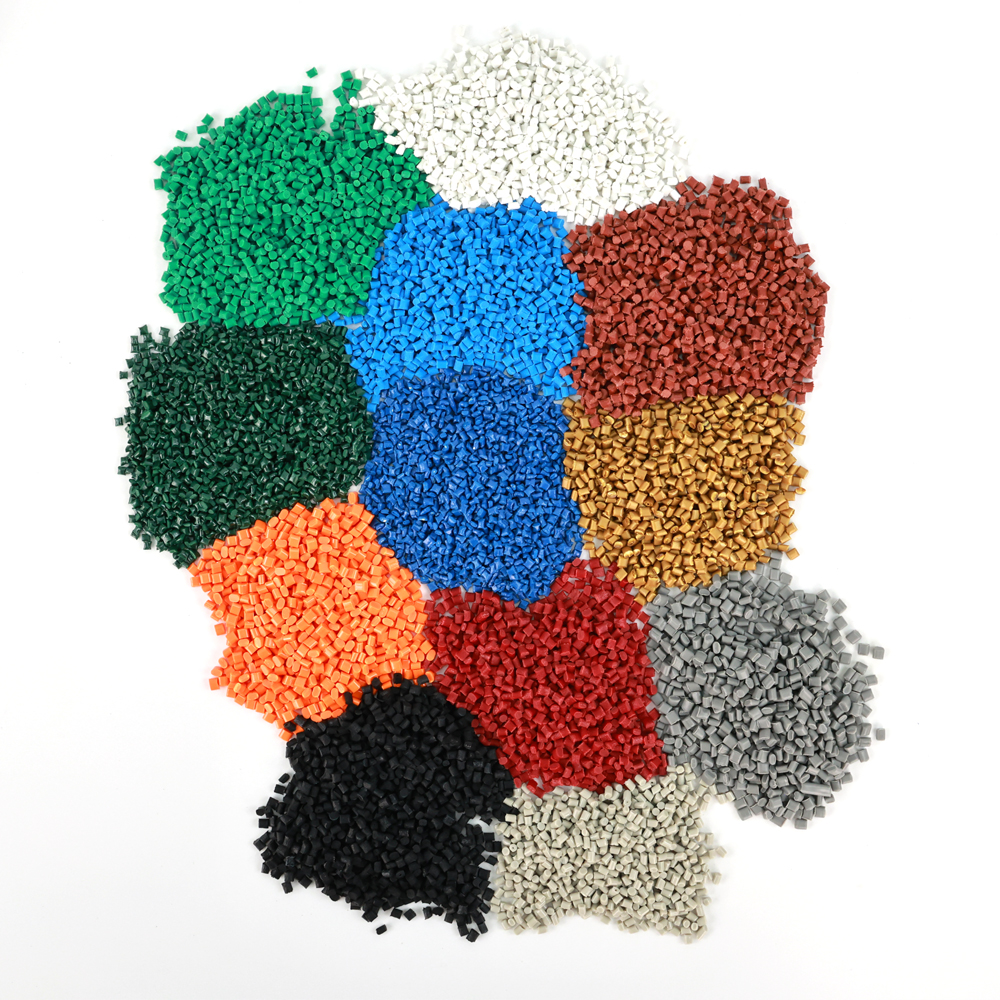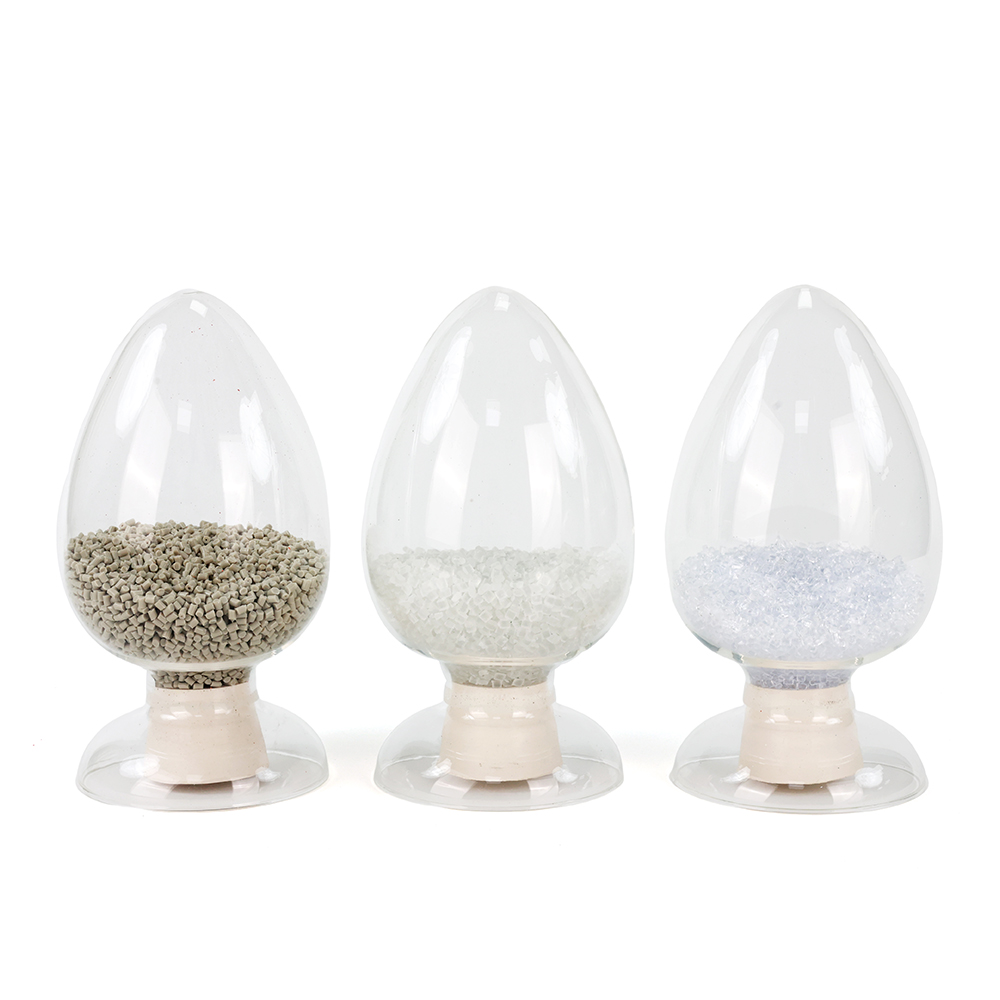
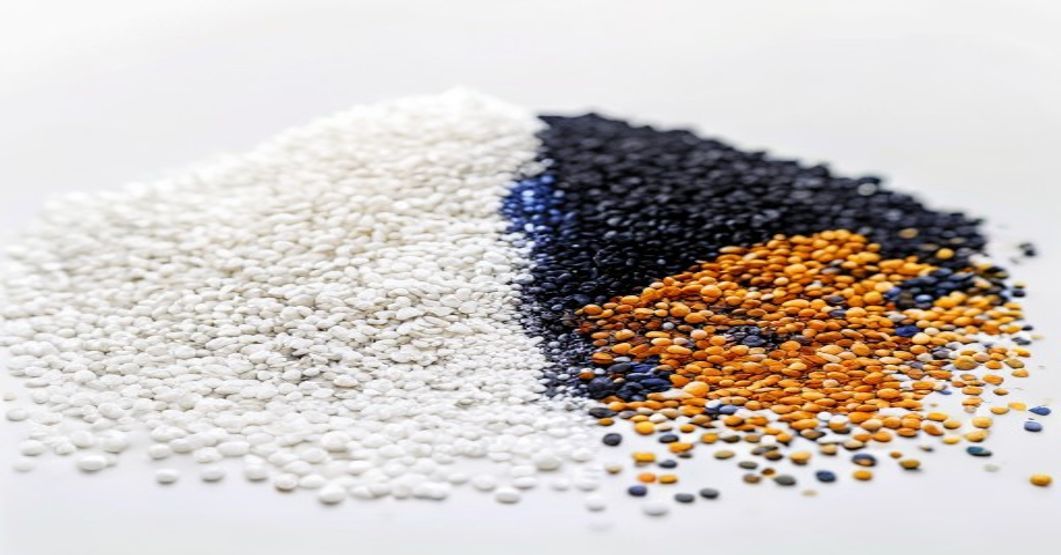
Nylon and polypropylene are two of the most widely used thermoplastics in manufacturing. While they may appear similar at first glance, their properties, costs, and ideal applications differ significantly.
Material Overview
Nylon (polyamide) is an engineering thermoplastic known for its strength, toughness, and heat resistance. Polypropylene (PP) is a commodity thermoplastic valued for its chemical resistance, low density, and cost-effectiveness.
Key Property Differences at a Glance
| 속성 | 나일론 (PA6) | 폴리프로필렌(PP) |
|---|---|---|
| 밀도(g/cm³) | 1.13-1.15 | 0.90-0.91 |
| 인장 강도(MPa) | 70-85 | 25-40 |
| 녹는점(°C) | 220 | 160-170 |
| Cost per kg (relative) | $$$ | $ |
기계적 성능
Nylon significantly outperforms polypropylene in mechanical properties. Nylon offers 2-3 times the tensile strength and substantially higher stiffness.
Fatigue and Wear Resistance
Nylon exhibits excellent fatigue resistance and self-lubricating properties, making it ideal for gears, bearings, and moving parts.
열적 특성
Nylon maintains its mechanical properties at significantly higher temperatures than polypropylene. While PP softens around 100°C, nylon (especially PA66) can operate continuously at 100-120°C.
내화학성
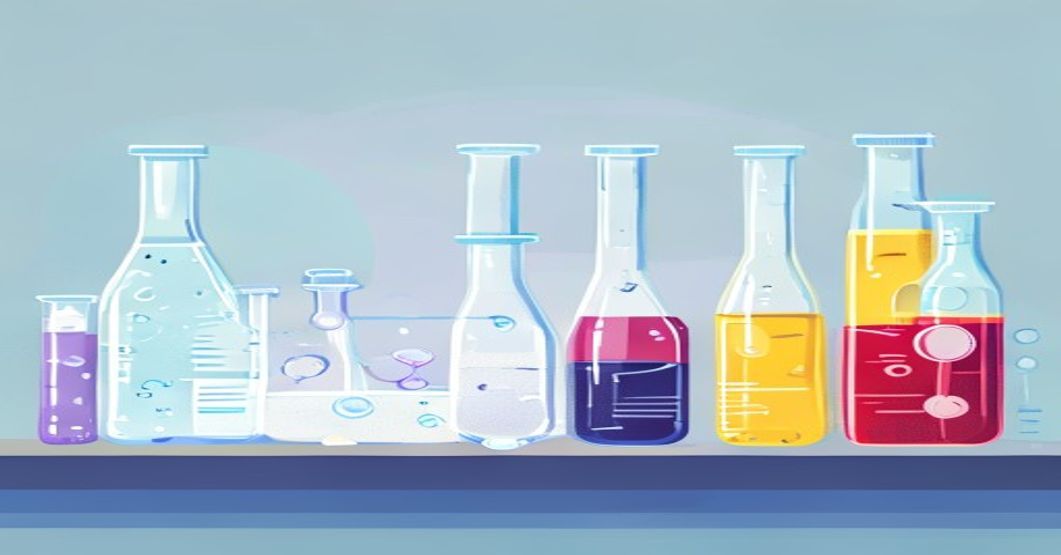
This is where polypropylene excels. PP has outstanding resistance to acids, bases, and many organic solvents. Nylon is susceptible to strong acids and certain solvents.
Moisture Behavior
Polypropylene is virtually hydrophobic—it absorbs almost no water. Nylon, in contrast, absorbs moisture from the environment, which can cause dimensional changes.
Processing and Manufacturing
사출 성형
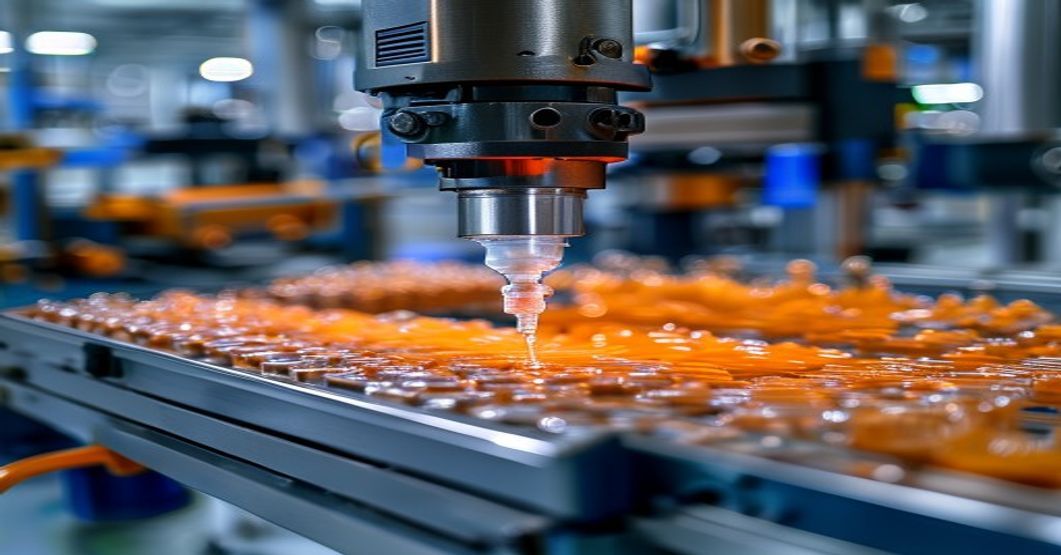
Both materials process well in injection molding: PP at 200-250°C with shorter cycles; Nylon at 230-300°C requiring careful drying.
Part Design Considerations
Polypropylene has higher shrinkage (1.5-2.5%) than nylon (0.8-1.5%), requiring more generous draft angles.
Cost Analysis
Polypropylene is one of the most economical thermoplastics available, typically costing 50-70% less than nylon per kilogram.
신청 안내서
다음과 같은 경우에는 나일론을 선택하세요:
- High mechanical strength is required
- Parts will experience elevated temperatures
- 내마모성은 중요합니다
- Applications: automotive components, power tools, industrial gears
Choose Polypropylene When:
- Chemical resistance is a priority
- Cost is the primary driver
- Moisture exposure is unavoidable
- Applications: chemical containers, living hinges, food packaging
당사의 역량
~을 넘는 CNC 기계 300대, 우리는 ○○ 이상 생산하며 하루 10,000개 허용 오차가 ±0.005mm. 다음을 접수합니다 최소 주문 수량(MOQ): 1개부터, 배송 기간은 ~ 24시간에서 15일. 24시간 이내에 견적을 받아보세요.
Nylon vs Polypropylene: Practical Selection Table
| 요구 사항 | 나일론 | 폴리프로필렌 |
|---|---|---|
| Strength and stiffness | Usually higher for load-bearing engineering parts | Lower density with useful fatigue flexibility |
| 수분 | Absorbs moisture; condition and inspect dimensions | Very low water absorption but different creep behavior |
| Wear and heat | Useful wear and temperature options by grade | Good chemical resistance and living-hinge behavior |
| Processing choice | Dry resin and control shrinkage, flow and fiber orientation | Control shrinkage, weld lines and cooling balance |
Choose the resin from the service environment and inspection plan, not from tensile strength alone. Confirm moisture, temperature, chemical exposure, cycle life and allowable dimensional change on the finished part.
자주 묻는 질문
How do you know whether Nylon vs Polypropylene: Material Selection Guide for Engineering Applications fits a part?
Nylon vs Polypropylene: Material Selection Guide for Engineering Applications fits a part when its load capacity, temperature range, moisture exposure, wear behavior, and processing method match the real service conditions.
What properties should be checked for Nylon vs Polypropylene: Material Selection Guide for Engineering Applications?
강도, 강성, 내충격성, 내열성, 수분 흡수율, 치수 안정성, 마찰, 마모 및 화학적 호환성을 확인하십시오.
What is the biggest selection risk for Nylon vs Polypropylene: Material Selection Guide for Engineering Applications?
가장 큰 위험은 실제 환경, 가공 방법, 부품 형상 및 장기 사용 등을 고려하지 않고 데이터시트에 기재된 수치만 보고 선택하는 것입니다.
When should Nylon vs Polypropylene: Material Selection Guide for Engineering Applications be tested before production?
부품이 하중, 열, 화학 물질, 습기, 엄격한 공차, 규제 요건 또는 새로운 작동 환경에 노출될 경우 시험을 실시하는 것이 좋습니다.