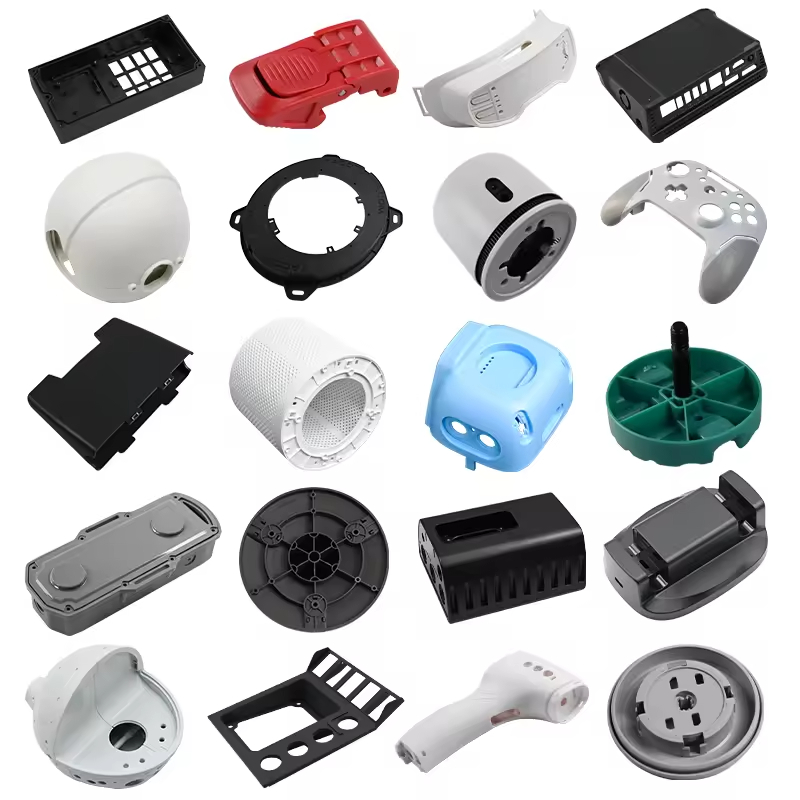


Design for Manufacturing (DFM) Overview
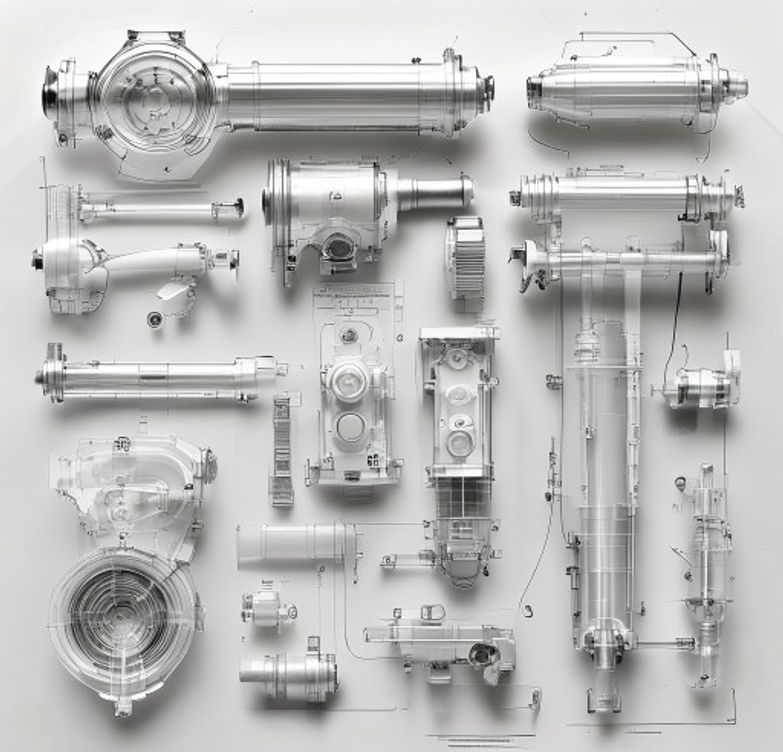
Design for Manufacturing considers production requirements early in the design phase. For injection molding, DFM prevents costly mold modifications, improves part quality, and reduces production costs.
Wall Thickness Design
Uniform Walls
- Consistent thickness prevents warpage and sink marks
- Target 2-3mm for typical parts
- Transitions should be gradual (3:1 ratio)
Material-Specific Guidelines
| 재료 | Min (mm) | Recommended (mm) | Max (mm) |
|---|---|---|---|
| ABS | 1.0 | 2.0-2.5 | 4.0 |
| PP | 0.8 | 2.0 | 5.0 |
| PC | 1.0 | 2.0-3.0 | 4.5 |
| PA(나일론) | 0.8 | 1.5-2.5 | 3.5 |
| POM | 1.0 | 2.0 | 3.5 |
Ribs and Bosses
Rib Design
- Thickness: 50-70% of adjacent wall
- Height: Maximum 3× wall thickness
- Draft: 0.5-1° minimum
- Spacing: 2× wall thickness minimum
Boss Design
- Wall thickness: 60-70% of nominal wall
- Core hole depth: 2-3× diameter
- Include radii at base
- Consider draft for ejection
Corners and Radii
Draft Angles
- Standard surfaces: 0.5-1° minimum
- 텍스처 표면: 2-5° depending on texture
- 심층 기능: Increase draft proportionally
- 축소: Account for material shrinkage in draft
Undercuts and Side Actions
Designing Without Undercuts
- Reduces mold complexity
- Lower tooling cost
- Simpler maintenance
When Undercuts Are Necessary
- Use side actions (slides)
- Consider lifters for internal undercuts
- Design for proper release angles
Gating Considerations
- Position gates in non-visible areas
- Consider gate vestige requirements
- Account for weld line locations
- Design for automated degating when possible
Common Design Errors
- Sharp internal corners causing stress
- Insufficient draft causing ejection issues
- Thick sections causing sink marks
- Undercuts without proper mechanisms
- Ignoring shrinkage tolerances
DFM Checklist
- ☐ Uniform wall thickness throughout
- ☐ Adequate draft angles specified
- ☐ Radii on all internal corners
- ☐ Ribs properly proportioned
- ☐ Bosses designed for function
- ☐ Undercuts identified and addressed
- ☐ Gate locations proposed
- ☐ Material shrinkage accounted
결론
DFM for injection molding prevents costly iterations and ensures manufacturable designs. Involve manufacturing engineers early in the design process.
관련 리소스
- PEEK와 PEI 비교
- Flame Retardant Plastics
- Food Grade Plastics Guide
- Nylon Moisture Treatment
- Moisture Effects on Nylon
자주 묻는 질문
When does Plastic Part Design for Manufacturing — DFM Guidelines for Injection Molding make sense?
Plastic Part Design for Manufacturing — DFM Guidelines for Injection Molding makes sense when the part volume, material choice, geometry, and repeatability needs justify mold design and tooling investment.
What design factors matter most for Plastic Part Design for Manufacturing — DFM Guidelines for Injection Molding?
벽 두께, 리브, 보스, 이형각, 게이트 위치, 수축, 분할선, 이젝션 등은 모두 성형 부품의 품질에 영향을 미칩니다.
금형 제작 전에 어떤 정보가 필요한가요?
공급업체는 3D 모델, 재질, 예상 연간 생산량, 외관 요구 사항, 공차 요구 사항 및 조립 또는 기능 테스트 관련 요구 사항을 확인해야 합니다.
What is the biggest risk in Plastic Part Design for Manufacturing — DFM Guidelines for Injection Molding?
가장 큰 위험은 실제 적용 환경에서 재료의 거동, 수축, 유동 및 부품의 기능을 충분히 검증하지 않은 상태에서 금형을 승인하는 것입니다.