The runner system—the channels that deliver molten plastic from the injection unit to the mold cavities—fundamentally affects your production economics and part quality. For nylon molding, the choice between hot runner and cold runner systems involves careful consideration of material costs, production volume, part requirements, and initial tooling investment.
Understanding Runner Systems
Cold Runner Systems
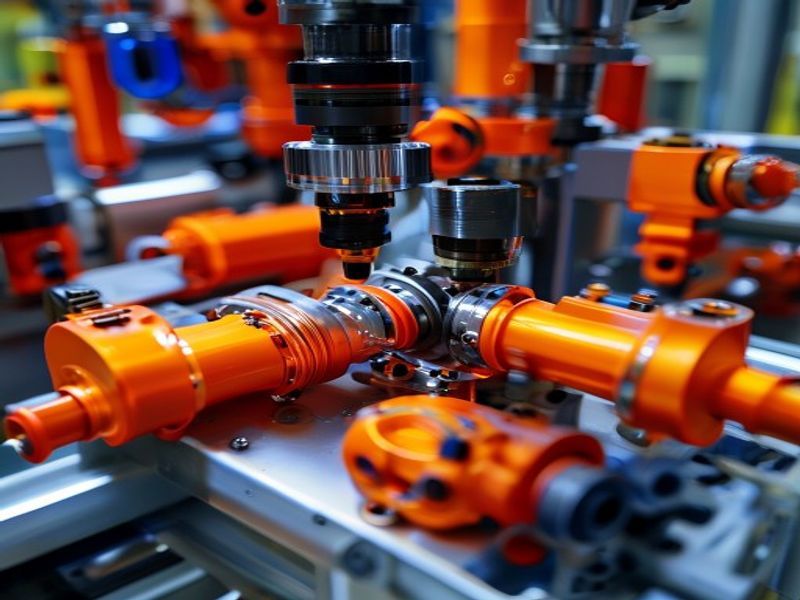
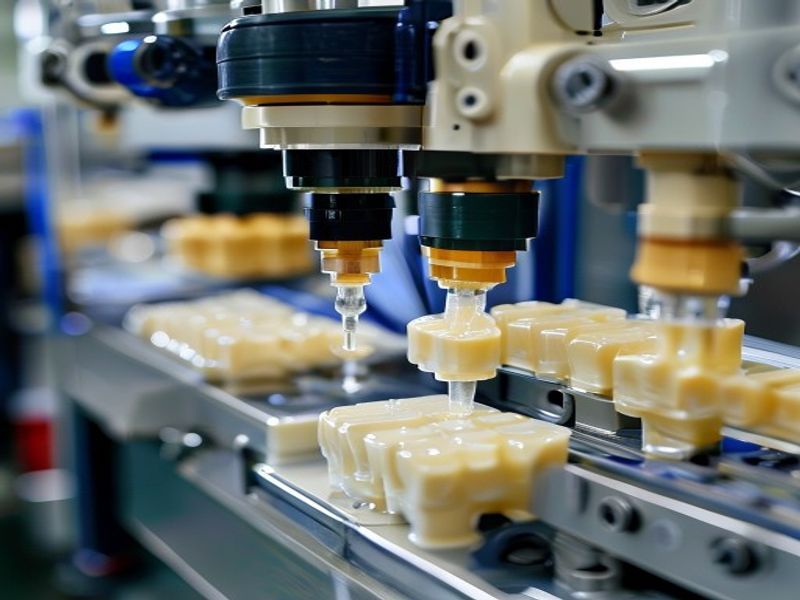
In cold runner molds, the runner channels are part of the mold cavity. Material in the runners solidifies with each cycle and is ejected along with the parts. This runner material must be reground and reprocessed—or discarded—adding cost and complexity. For nylon, cold runners work well for lower-volume production and when color changes are frequent.
Hot Runner Systems
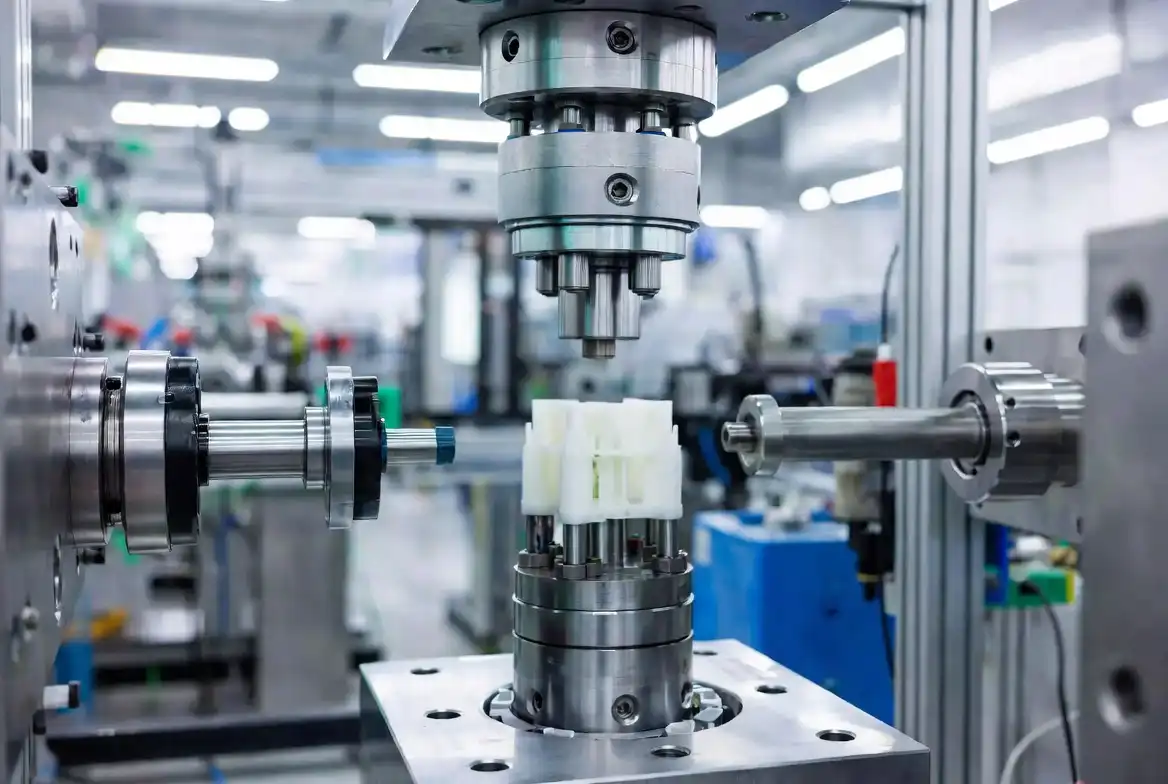
Hot runner systems maintain the material in the runner at molten temperature between cycles. Only the material that enters the cavities solidifies—eliminating runner waste. This provides significant material savings for high-volume production and enables faster cycle times since you don’t need to cool the runners.
Comparison for Nylon Applications
| 팩터 | Cold Runner | Hot Runner |
|---|---|---|
| Material waste | 15-40% runner scrap | Minimal (gates only) |
| 금형 비용 | Lower | Higher (+30-50%) |
| 사이클 시간 | Longer | Shorter (10-20%) |
| Color changes | 쉬운 | Difficult, time-consuming |
| Maintenance | Simple | Complex, requires expertise |
| Best for | Low-medium volume, multi-color | High volume, single color |
Nylon-Specific Considerations
Thermal Sensitivity
Nylon is sensitive to extended heat exposure. In hot runner systems, material residence time in the manifold must be carefully controlled to prevent degradation. Proper temperature management and appropriate residence time calculations are essential.
Moisture Content
Properly dried nylon is critical for hot runner processing. Any moisture in the material causes splay and can lead to degradation in the hot runner system. Ensure material is dried to less than 0.2% moisture content before processing.
Glass-Filled Grades
Glass-reinforced nylons are abrasive and can cause wear in hot runner components—particularly at gates and nozzles. Select hot runner systems with hardened or carbide-lined components for filled materials.
Cost Analysis Example
Consider a 50-gram nylon part with a 30-gram runner (37.5% scrap rate) at $3.50/kg material cost. Cold runner material cost per shot: $0.28. Hot runner material cost per shot: $0.175. Savings per shot: $0.105. At 100,000 cycles: $10,500 in material savings. Hot runner tooling premium: $15,000-25,000. Break-even point: 150,000-250,000 cycles. For production volumes exceeding 250,000 parts, hot runner systems typically deliver better total cost of ownership.
자주 묻는 질문
When does Hot Runner vs Cold Runner Systems for Nylon Molding make sense?
Hot Runner vs Cold Runner Systems for Nylon Molding makes sense when the part volume, material choice, geometry, and repeatability needs justify mold design and tooling investment.
What design factors matter most for Hot Runner vs Cold Runner Systems for Nylon Molding?
벽 두께, 리브, 보스, 이형각, 게이트 위치, 수축, 분할선, 이젝션 등은 모두 성형 부품의 품질에 영향을 미칩니다.
금형 제작 전에 어떤 정보가 필요한가요?
공급업체는 3D 모델, 재질, 예상 연간 생산량, 외관 요구 사항, 공차 요구 사항 및 조립 또는 기능 테스트 관련 요구 사항을 확인해야 합니다.
What is the biggest risk in Hot Runner vs Cold Runner Systems for Nylon Molding?
가장 큰 위험은 실제 적용 환경에서 재료의 거동, 수축, 유동 및 부품의 기능을 충분히 검증하지 않은 상태에서 금형을 승인하는 것입니다.