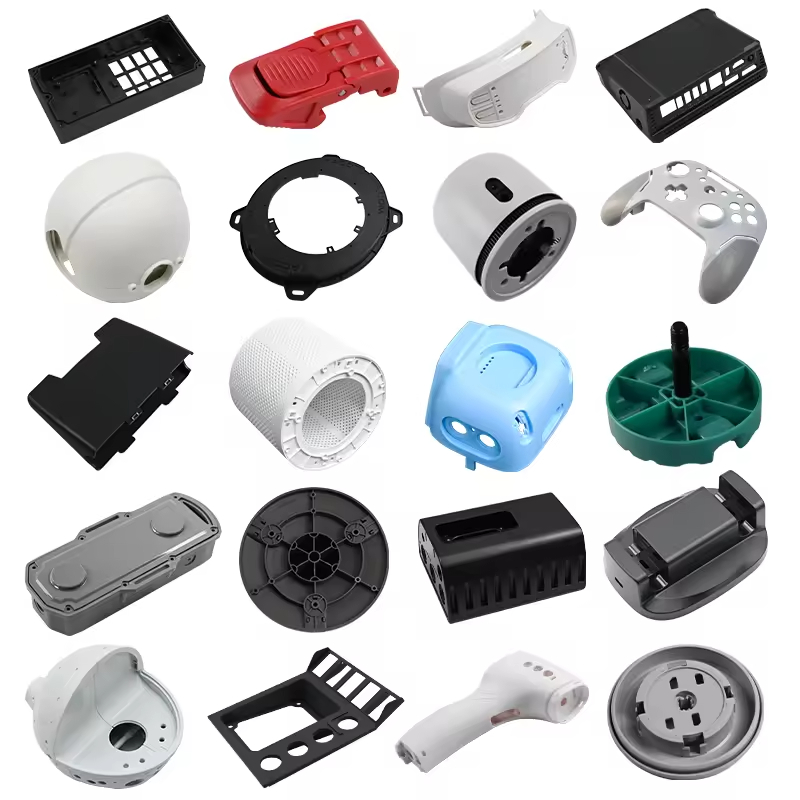
When it comes to manufacturing nylon components at scale, injection molding stands unrivaled. The process combines speed, precision, and cost-efficiency in ways that alternative manufacturing methods simply cannot match. Understanding why injection molding dominates helps you make informed decisions for your production needs.
The Core Advantages
High-Volume Efficiency
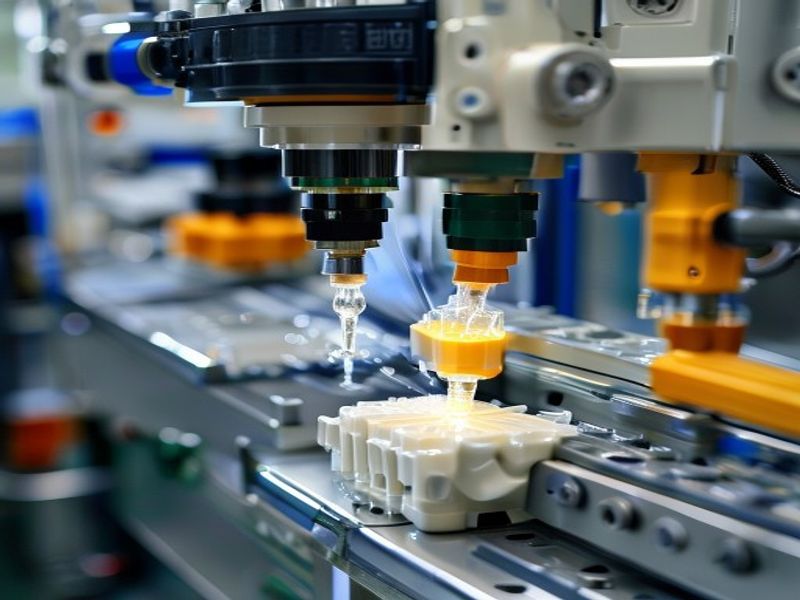
Once the mold is built and validated, injection molding produces identical parts at remarkable speed. Cycle times for nylon parts typically range from 15 to 60 seconds depending on wall thickness and complexity. This throughput enables cost-effective production of thousands to millions of parts annually.
자유로운 디자인
Injection molding creates complex geometries that would be impossible or prohibitively expensive with other methods. Undercuts, internal threads, living hinges, and intricate surface details are all achievable. For nylon specifically, the material’s toughness allows molded-in snap-fits and flexible features.
Material Properties Optimization
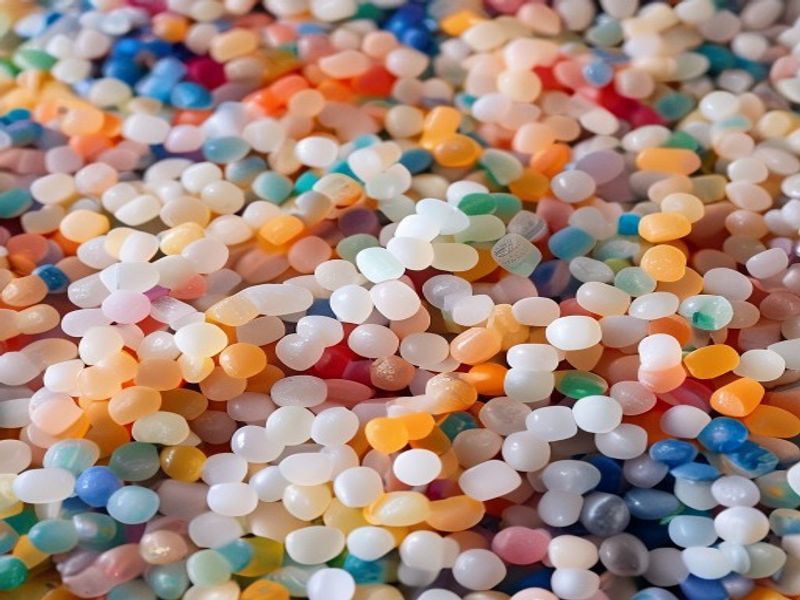
The injection molding process can enhance nylon’s inherent properties. Proper processing ensures optimal crystallinity for strength and stiffness. Additives—glass fiber, mineral fillers, impact modifiers—can be compounded into the material to tailor properties for specific applications.
Comparing Manufacturing Methods
| 팩터 | 사출 성형 | 3D 프린팅 | CNC 가공 |
|---|---|---|---|
| Per-part cost (100k+ qty) | Lowest | 높음 | 중상 |
| Initial tooling cost | 높음 | 없음 | Low (s) |
| 표면 마감 | 우수 | 변수 | 우수 |
| Material properties | Optimal | Reduced | Same as stock |
| Production speed | Very fast | 느림 | Medium |
| Design complexity | 높음 | Very high | 한정판 |
Nylon-Specific Benefits
Crystallinity Control
Nylon is a semi-crystalline polymer. The injection molding process—with controlled cooling rates—allows optimization of crystallinity levels. Faster cooling produces lower crystallinity (tougher, more flexible), while slower cooling increases crystallinity (stiffer, more dimensionally stable). Mold temperature control enables this tuning.
Fiber Orientation
For glass-reinforced nylons, injection molding creates beneficial fiber orientation. Fibers align in the flow direction, significantly increasing strength and stiffness along that axis. Understanding this allows designers to orient parts in the mold to maximize strength in critical directions.
일관된 품질
Once process parameters are established, injection molding delivers exceptional consistency. Statistical process control can maintain critical dimensions within tight tolerances batch after batch. This repeatability is essential for automotive and medical applications where consistency is non-negotiable.
자주 묻는 질문
When does Why Injection Molding is the Preferred Choice for Nylon Components make sense?
Why Injection Molding is the Preferred Choice for Nylon Components makes sense when the part volume, material choice, geometry, and repeatability needs justify mold design and tooling investment.
What design factors matter most for Why Injection Molding is the Preferred Choice for Nylon Components?
벽 두께, 리브, 보스, 이형각, 게이트 위치, 수축, 분할선, 이젝션 등은 모두 성형 부품의 품질에 영향을 미칩니다.
금형 제작 전에 어떤 정보가 필요한가요?
공급업체는 3D 모델, 재질, 예상 연간 생산량, 외관 요구 사항, 공차 요구 사항 및 조립 또는 기능 테스트 관련 요구 사항을 확인해야 합니다.
What is the biggest risk in Why Injection Molding is the Preferred Choice for Nylon Components?
가장 큰 위험은 실제 적용 환경에서 재료의 거동, 수축, 유동 및 부품의 기능을 충분히 검증하지 않은 상태에서 금형을 승인하는 것입니다.