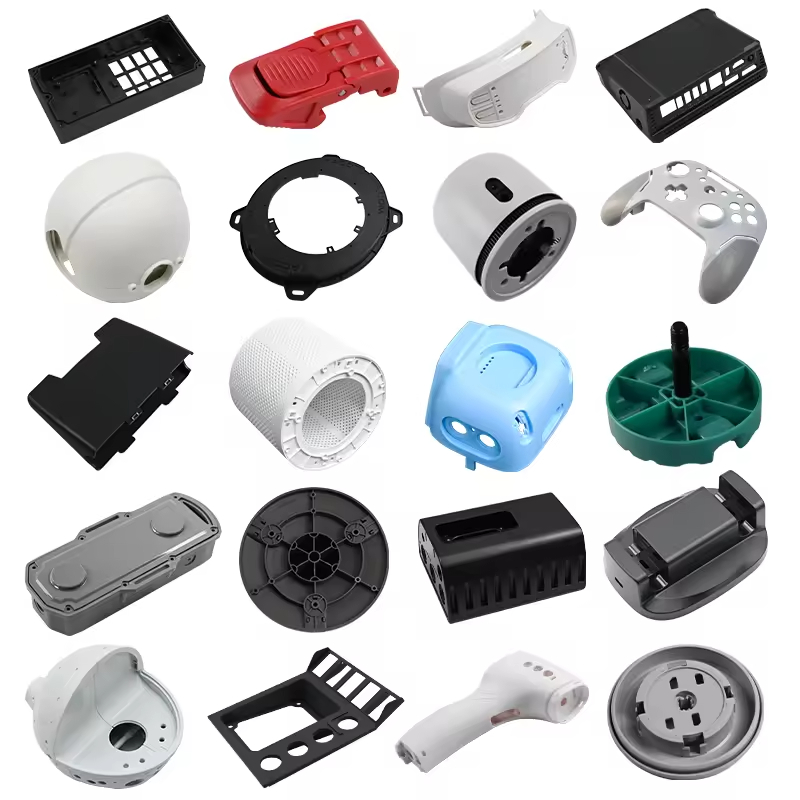
Every manufacturing process involves trade-offs, and nylon injection molding is no exception. Understanding both the strengths and limitations helps you determine when this process is the right choice for your application—and when alternative approaches might serve you better.
The Advantages of Nylon Injection Molding
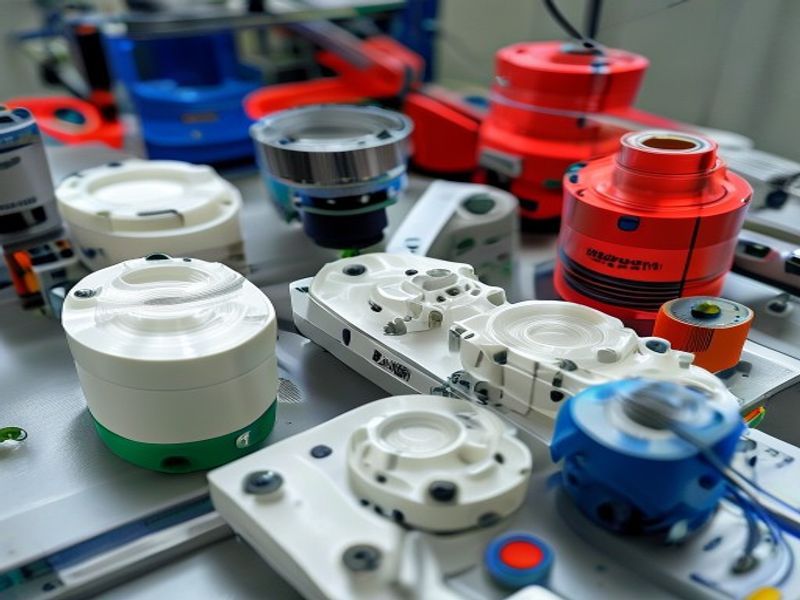
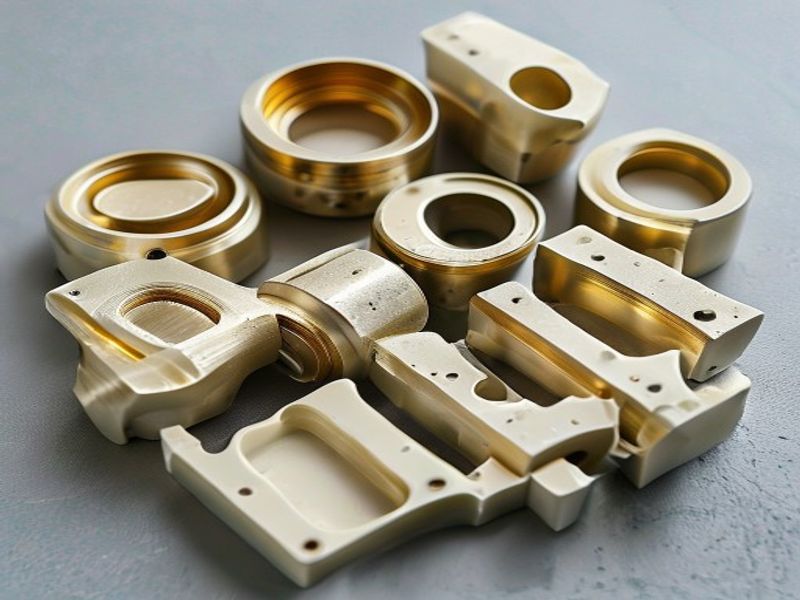
Exceptional Mechanical Properties
Nylon delivers outstanding strength-to-weight ratio, excellent fatigue resistance, and good impact toughness. These properties make it suitable for demanding applications in automotive, industrial, and consumer products. Injection molding preserves and enhances these properties through proper processing.
Chemical and Thermal Resistance
Nylon resists many oils, greases, solvents, and fuels—making it ideal for under-hood automotive applications and chemical handling equipment. Continuous use temperatures up to 120°C (250°F) are achievable with standard grades, with high-temperature grades extending this range.
Wear and Abrasion Resistance
Low friction coefficient and excellent wear characteristics make nylon perfect for gears, bearings, and sliding components. Internal lubricants (PTFE, MoS2) can be compounded in to further enhance these properties.
Cost-Effective at Scale
Once tooling investment is made, per-part costs become very competitive. Material costs for nylon are reasonable compared to engineering thermoplastics like PEEK or PPS, while delivering sufficient performance for most applications.
The Limitations to Consider
수분 흡수
Nylon absorbs moisture from the environment—up to 2.5% for PA6 at equilibrium. This causes dimensional changes and affects mechanical properties.
| Nylon Type | Equilibrium Moisture (50% RH) | 차원의 변화 |
|---|---|---|
| PA6 | 2.7% | +0.7% linear |
| PA66 | 2.5% | +0.6% linear |
| PA12 | 0.7% | +0.2% linear |
| PA6+30%GF | 1.3% | +0.3% linear |
Processing Sensitivity
Nylon requires thorough drying before processing—residual moisture causes splay, voids, and molecular weight degradation. Processing windows are narrower than amorphous materials, requiring skilled operators and well-maintained equipment.
Shrinkage Variability
Semi-crystalline materials exhibit higher and more variable shrinkage than amorphous plastics. Glass-filled nylons have anisotropic shrinkage, complicating mold design and dimensional control.
자주 묻는 질문
When does The Pros and Cons of Nylon Injection Molding: A Complete Guide make sense?
The Pros and Cons of Nylon Injection Molding: A Complete Guide makes sense when the part volume, material choice, geometry, and repeatability needs justify mold design and tooling investment.
What design factors matter most for The Pros and Cons of Nylon Injection Molding: A Complete Guide?
벽 두께, 리브, 보스, 이형각, 게이트 위치, 수축, 분할선, 이젝션 등은 모두 성형 부품의 품질에 영향을 미칩니다.
금형 제작 전에 어떤 정보가 필요한가요?
공급업체는 3D 모델, 재질, 예상 연간 생산량, 외관 요구 사항, 공차 요구 사항 및 조립 또는 기능 테스트 관련 요구 사항을 확인해야 합니다.
What is the biggest risk in The Pros and Cons of Nylon Injection Molding: A Complete Guide?
가장 큰 위험은 실제 적용 환경에서 재료의 거동, 수축, 유동 및 부품의 기능을 충분히 검증하지 않은 상태에서 금형을 승인하는 것입니다.