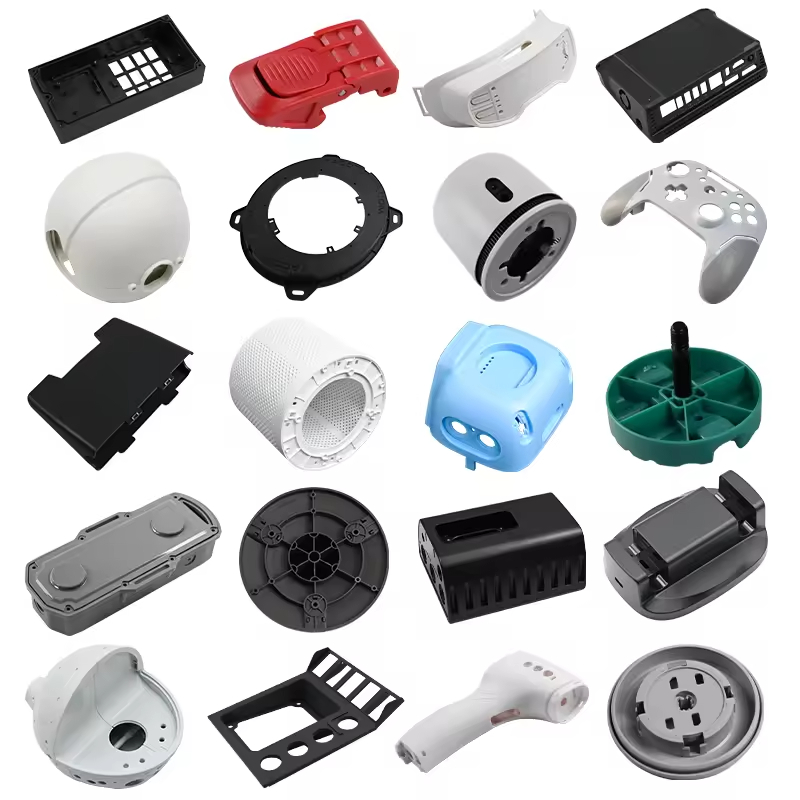
Mold fabrication is the work of turning a design into a mold that can actually produce stable plastic parts. The buyer decision is not only about price; it is about steel choice, cavity design, cooling, lead time and how much risk is built into the tool.
For custom plastic parts, good mold fabrication starts with DFM, not machining. Nylon Plastic can review the drawing, gate strategy and production plan before you commit to tooling steel.
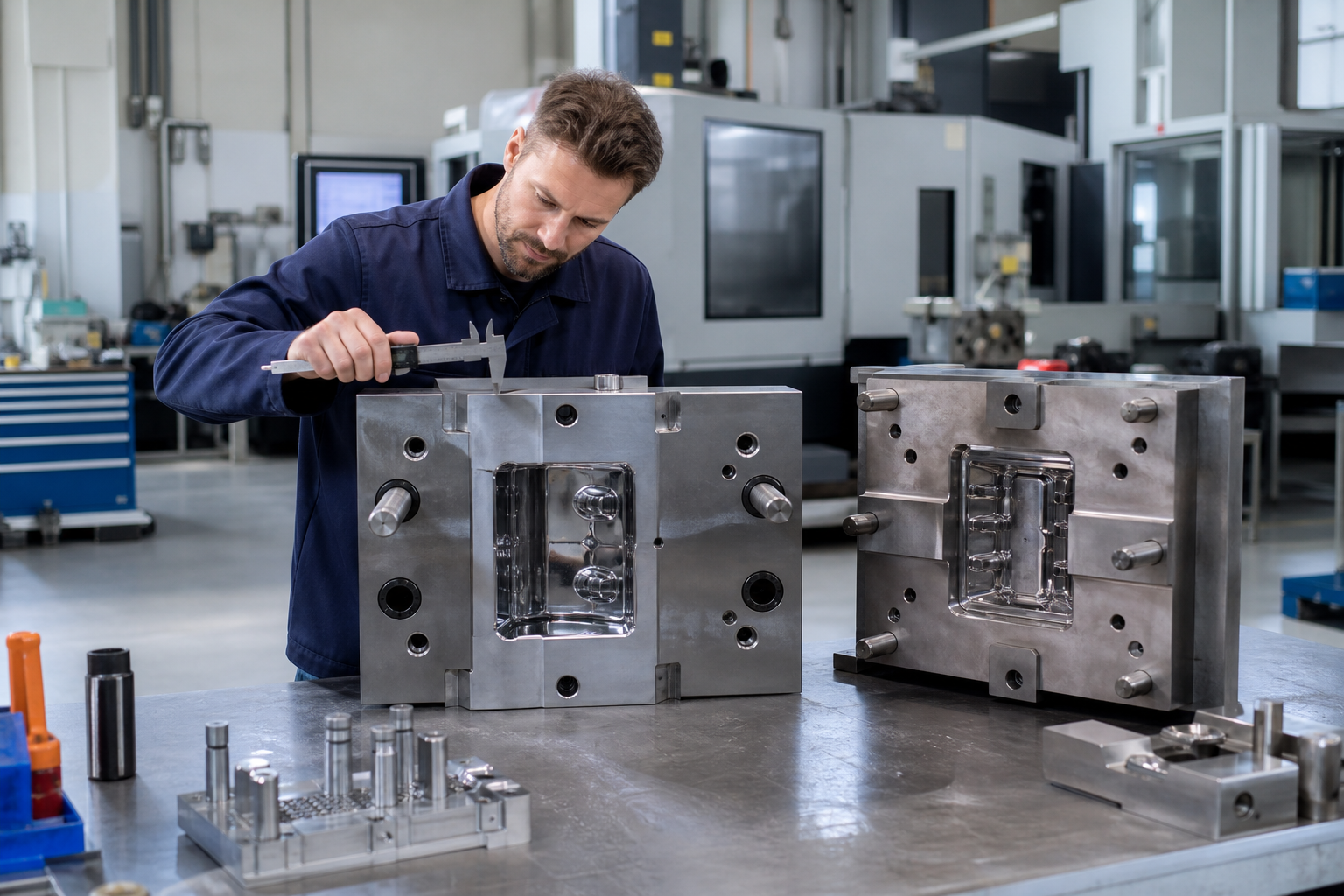
한눈에 보기
| 스테이지 | What It Covers | 구매자 확인 |
|---|---|---|
| DFM review | Wall thickness, ribs, draft and gate layout | Ask for changes before steel is cut |
| Tooling steel selection | Cavity wear, polish and production life | Match the steel to resin and volume |
| Insert fabrication | Cavity, core and ejector detail work | Check precision and maintenance access |
| Trial and tuning | Fill, pack, vent and cooling validation | Confirm sample quality before release |
| Production handoff | Inspection, repair plan and repeatability | Request a clear control plan |
What Good Mold Fabrication Should Include
A workable mold is built around the part’s real behavior. The cavity and core must support flow, ejection, cooling and the final appearance target. If the part is filled nylon, glass-filled resin or any abrasive material, wear resistance and gate location become more important.
Good mold fabrication also leaves room for maintenance. A tool that is impossible to service usually becomes expensive very quickly, even if the first quote looked attractive.
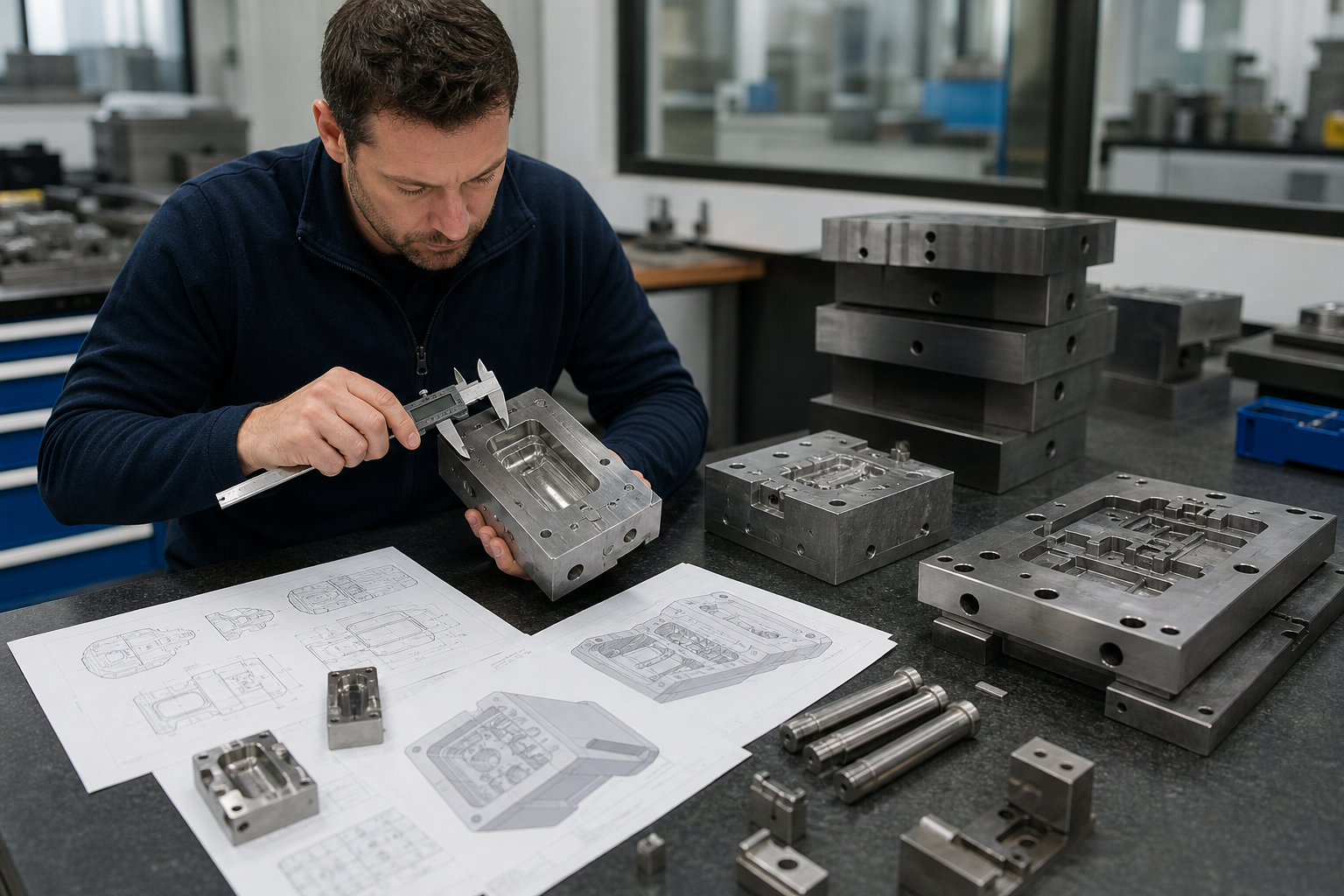
Key DFM Checks Before Cutting Steel
- Wall balance: avoid sudden thickness changes that create sink and warp.
- Draft and ejection: make sure the part can leave the mold cleanly.
- Gate strategy: place the gate so weld lines and fiber flow are controlled.
- Cooling design: keep cooling balanced to reduce shrinkage problems.
- Inspection plan: define the dimensions that matter before the tool is built.
그리고 몰드 플로우 해석 및 DFM 가이드 explains the review scope to agree before cutting steel.
Common Mold Fabrication Problems and Fixes
| 문제 | 가장 유력한 원인 | 실용적인 해결책 |
|---|---|---|
| Long lead time | Late design changes | Freeze the DFM review before machining |
| Short tool life | Wrong steel or abrasive resin | Upgrade wear surfaces and gate areas |
| Poor part fill | Bad gate or vent design | Rework gate location and venting |
| Warped sample | Cooling imbalance | Revisit thermal design and wall balance |
Prototype Tooling vs Production Tooling
Prototype tooling is about speed and learning. Production tooling is about consistency, uptime and a lower unit price. The best supplier should explain where the tool sits on that spectrum instead of pretending every mold is the same.
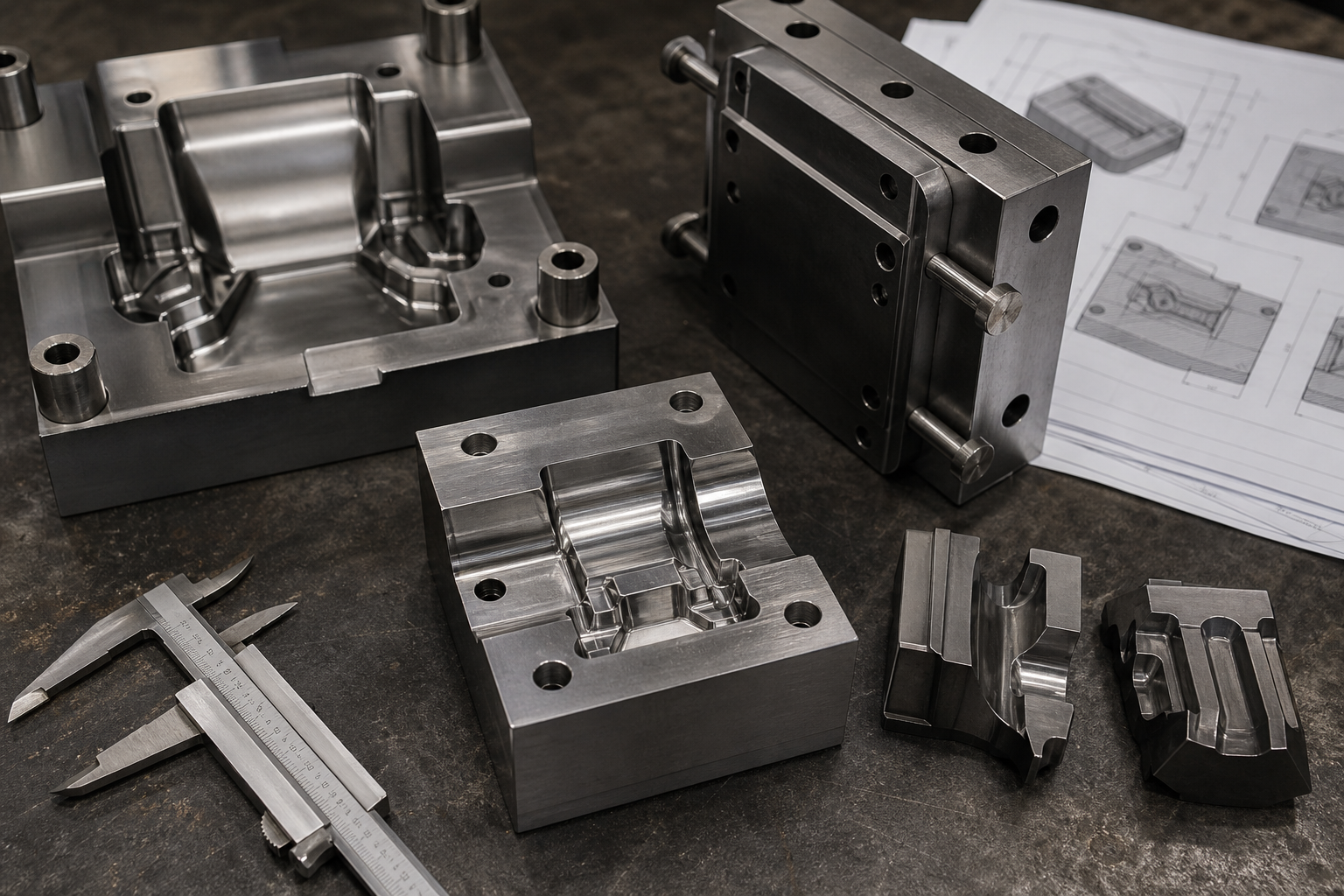
다음의 사출 성형 비용 안내서 to compare tooling and molded-part costs as separate quotation items.
Mold Fabrication Scope That Should Be Written Into the RFQ
| 범위 | 그것이 중요한 이유 | Approval Evidence |
|---|---|---|
| Steel and standard parts | Tool life, wear, repair and future ownership depend on the actual components | Steel or component list, hardness or treatment requirement, and maintenance plan |
| DFM and mold layout | Late changes to parting, gates, slides, ejection or cooling increase cost and timing risk | Approved DFM, mold-flow or filling review where needed, and 2D or 3D tool layout |
| Trial and correction | A first-shot date is not the same as a production-approved tool | Trial samples, dimensional and appearance reports, correction loop and sign-off criteria |
| Transfer and continuity | A tool can be difficult to move or maintain if data and ownership are vague | Drawings, BOM, spare parts, maintenance records, ownership and access terms |
Tooling cost should be evaluated with the part design, resin, annual volume, tolerance, surface, cycle, maintenance, and future change rate. A low initial quote can become expensive when the scope excludes trials, corrections, inspection, spare parts, or transfer information.
자주 묻는 질문
What is mold fabrication for plastic parts?
It is the engineering and manufacturing process that turns an approved part design into a mold with the required steel, cavities, gates, cooling, ejection, finish, and repeatable production capability.
How should mold steel be selected?
Select steel or inserts from resin wear, expected volume, surface, corrosion, repair, dimensional stability, and ownership requirements. The part geometry and exact material should be reviewed together.
What is the difference between prototype and production tooling?
Prototype tooling is usually optimized for learning, lower initial commitment, or limited volume. Production tooling is planned for repeatability, maintenance, tool life, cycle, quality records, and expected demand.
What should I send for a mold fabrication quote?
Send the CAD model, controlled drawing, resin or performance target, annual volume, surface, critical dimensions, appearance, sample plan, delivery target, and ownership or transfer requirements.
Request a Mold Fabrication Review
For a custom plastic-part mold, send the released part files and the production requirement. Nylon Plastic can connect material selection, DFM, mold fabrication, trial correction and repeat-production approval in one project review.
견적서 작성 전에 포함해야 할 사항 및 합의 사항
Nylon Plastic has supported material selection and finished plastic-part manufacturing since 2005. For mold fabrication for custom plastic parts, the useful review connects the drawing, material, tooling or machining route, inspection state, and production plan before a quote is approved.
Provide CAD and controlled drawings, exact resin or approved alternative, initial and annual quantity, program life, press or transfer constraints, destination and target timing. Mark critical fits, cosmetic zones, texture, color, inserts and assembly requirements.
For unfilled PA, PA-GF20 and PA-CF30, review shrinkage, fiber direction, gates, vents, cooling, ejection and wear before cutting steel. Define ownership, revisions, change control, maintenance records and transfer information with the tool specification.
Ask for mold design and build, trials and correction scope, sample reports, spare parts and production sampling as separate quote items. Set approval authority and what counts as an accepted tool; first shots alone do not release a mold for production.