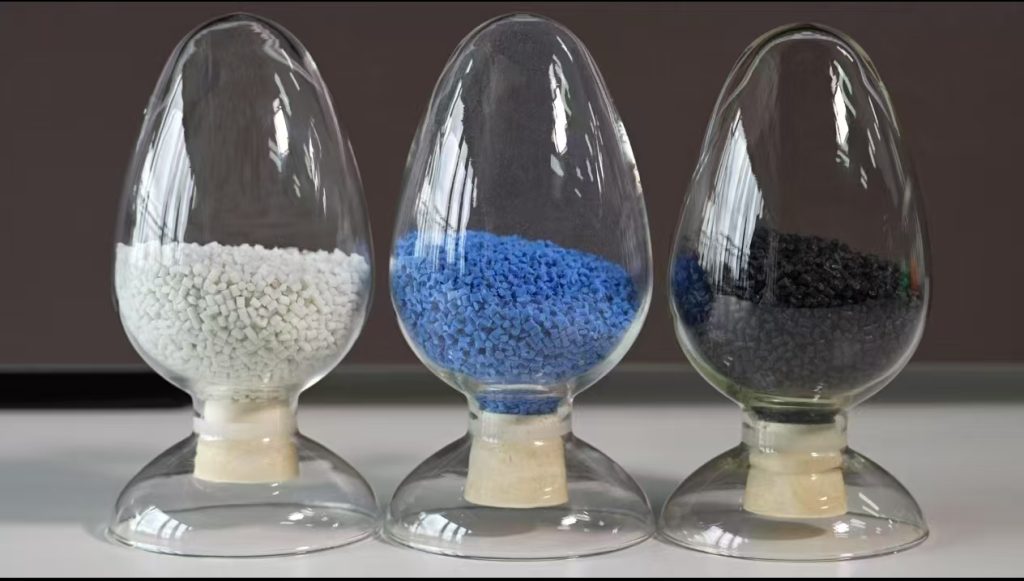
Selecting between Nylon 6 and Nylon 66 is one of the most common material decisions in engineering plastics. Both are polyamides with strong mechanical properties, but they serve different application needs. Here’s a practical comparison to help you decide.
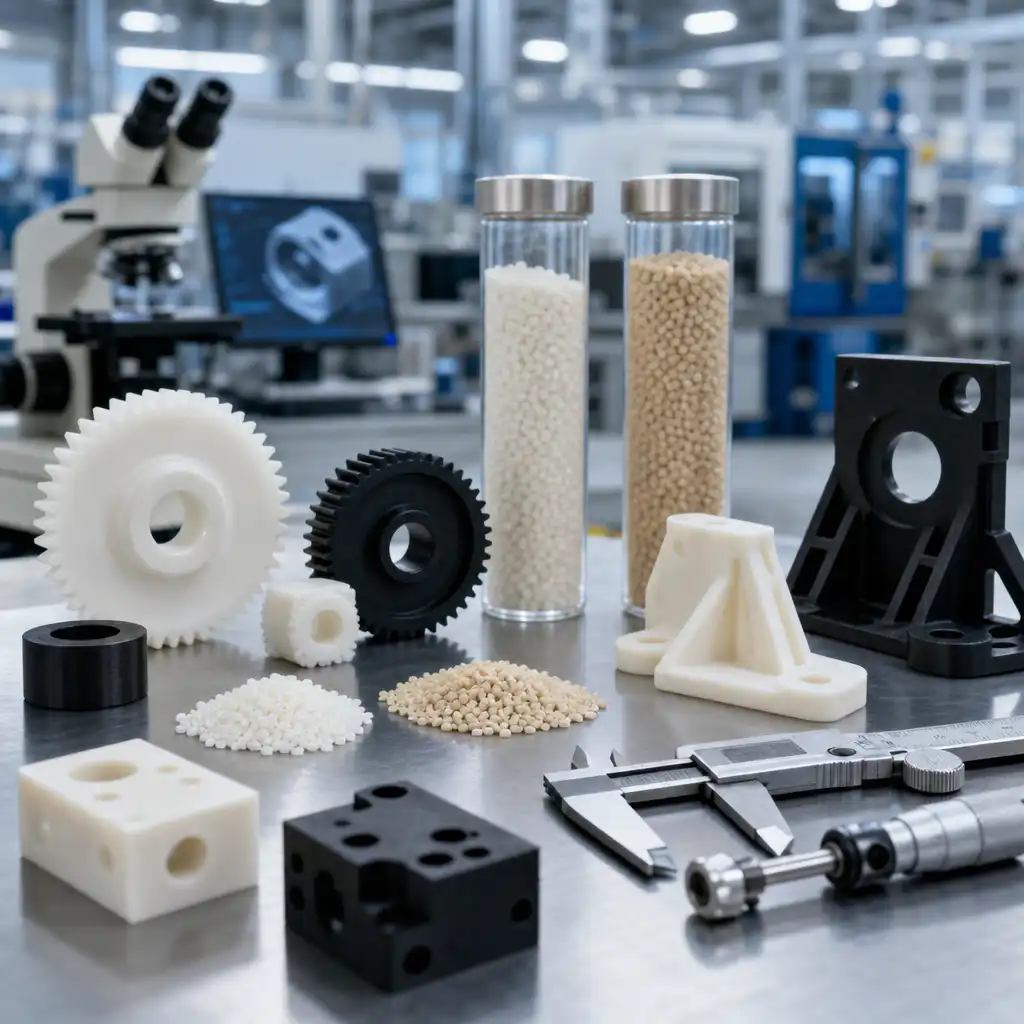
열적 특성
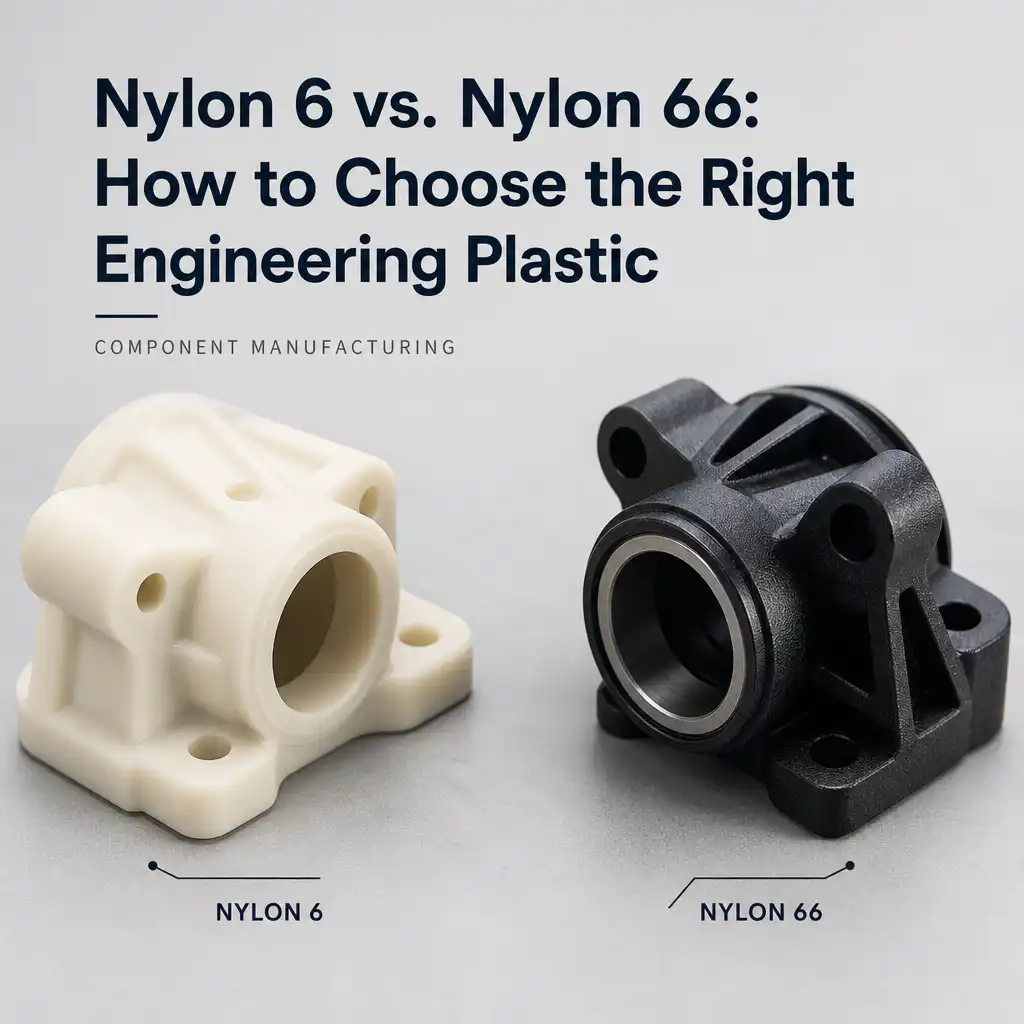
Nylon 66 has a higher melting point (265°C) compared to Nylon 6 (220°C), giving it better heat resistance. Parts exposed to temperatures above 100°C often perform better with Nylon 66. Nylon 6 is more susceptible to degradation in high-heat environments.
기계적 강도
Nylon 66 offers superior tensile strength and modulus, making it ideal for high-load structural components. Nylon 6 absorbs more moisture and has better impact resistance at room temperature, which is advantageous for parts requiring toughness.
수분 흡수
Nylon 6 absorbs more moisture than Nylon 66 (9-10% vs. 6.5-8% saturation). This affects dimensional stability in humid environments. If moisture resistance is critical, Nylon 66 with glass fiber reinforcement may be preferable.
Processing and Cost
Nylon 6 processes at lower temperatures, reducing energy costs and mold wear. It’s generally more cost-effective for general-purpose applications. Nylon 66 requires higher processing temperatures but offers better surface finish and stiffness retention.
사용 권장 사항
- Choose Nylon 6: General mechanical parts, consumer products, 3D printing filaments, where cost efficiency and impact toughness are priorities
- Choose Nylon 66: Automotive engine components, high-temperature applications, precision engineering parts requiring dimensional stability
Carbon Fiber Reinforced Variants
Both Nylon 6 and Nylon 66 can be reinforced with carbon fiber. Carbon fiber reinforcement significantly improves strength-to-weight ratio, reduces thermal expansion, and enhances dimensional stability. For 3D printing applications, carbon fiber reinforced Nylon 6 (PA6-CF) is widely available and offers excellent printability.
결론
Neither material is universally superior. Nylon 66 excels in heat resistance and structural stiffness; Nylon 6 offers better impact resistance and cost efficiency. Your choice should be based on operating temperature, load requirements, environmental conditions, and budget constraints.
At Nylonplastic, we supply both Nylon 6 and Nylon 66 materials in various grades, including glass fiber and carbon fiber reinforced formulations. We also provide CNC machining and 3D printing services using these materials.
조달을 시작할 준비가 되셨나요? Nylonplastic은 본 가이드에서 다루는 모든 소재를 표준 등급 및 맞춤형 등급으로 공급하며, IATF 16949, ISO 9001 및 ISO 14001 인증을 받은 품질을 보장합니다. 견적 요청하기 →