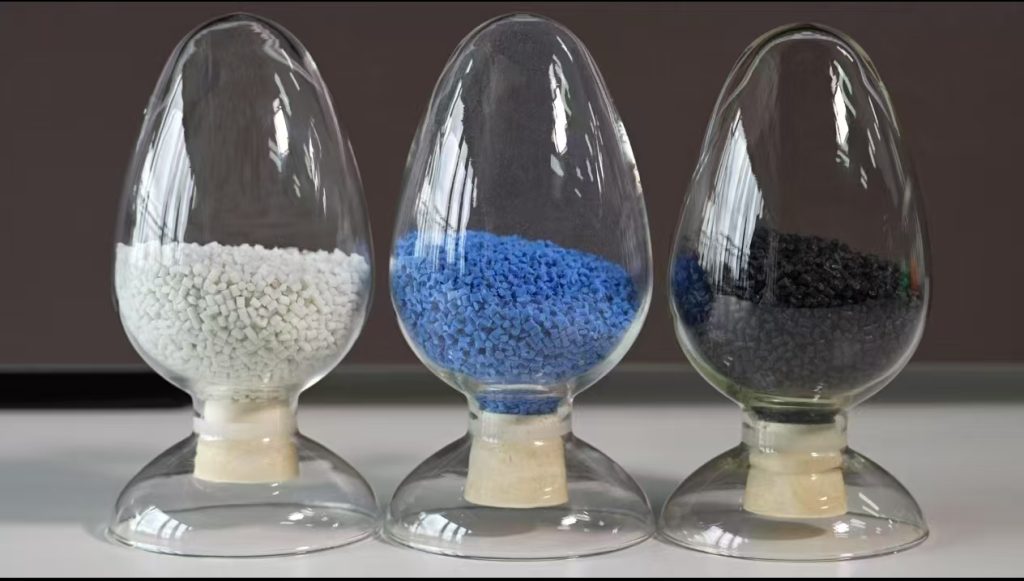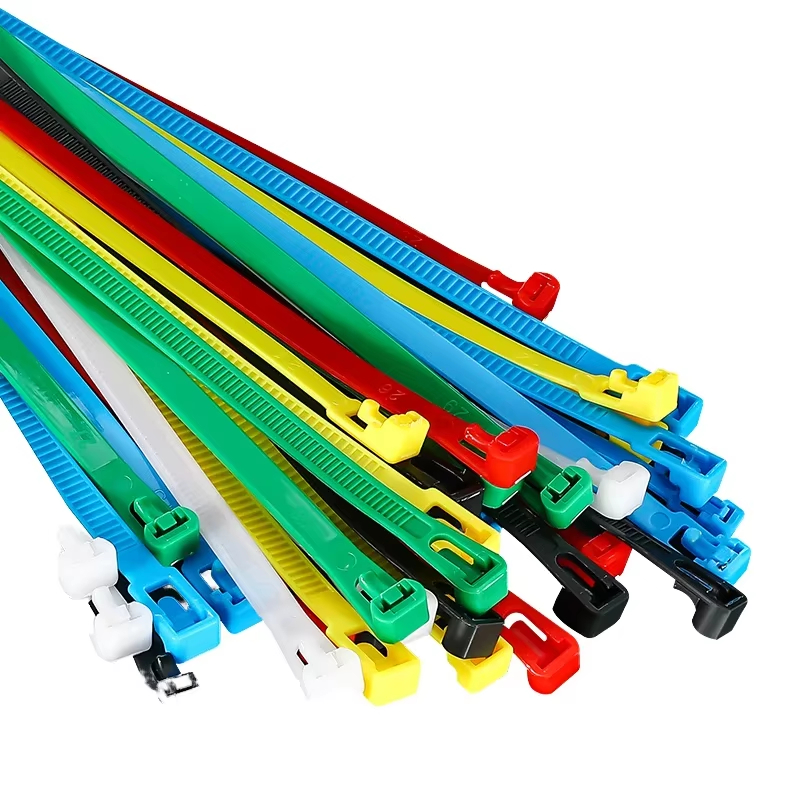
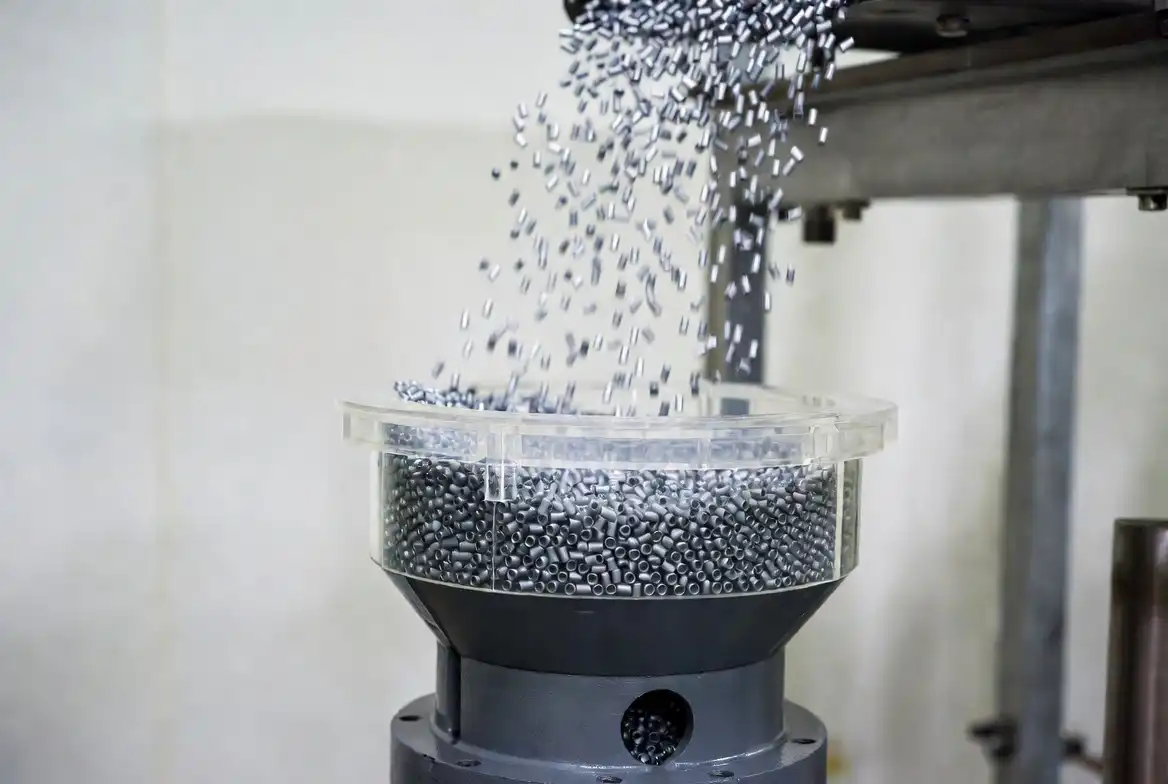
PA6 GF30 is Nylon 6 reinforced with a nominal 30% glass fiber by weight. It is selected when unfilled PA6 does not provide enough stiffness, creep resistance or dimensional stability. This guide combines a real commercial-grade datasheet, typical cross-supplier property ranges, moisture effects and injection-molding starting conditions.
PA6 GF30 at a Glance
The example values below come from the downloadable PA6 WHG30A datasheet. That PDF does not state specimen conditioning; confirm the method and validate molded parts before design approval.
What Does PA6 GF30 Mean?
- PA6 identifies Polyamide 6, also called Nylon 6.
- GF identifies glass-fiber reinforcement.
- 30 identifies the nominal glass-fiber content by weight.
PA6 GF30 is a material family, not one universal recipe. Heat stabilizers, impact modifiers, lubricants, pigments, flame retardants, resin viscosity and fiber system can all change the final properties and molding behavior. Two materials marked PA6 GF30 are therefore not automatically interchangeable.
PA6 WHG30A Manufacturer Datasheet
The downloadable manufacturer TDS identifies the commercial grade as PA6 WHG30A. The following values are reproduced from that one-page document. They are typical product values, not guaranteed design limits.
| 속성 | 테스트 표준 | 단위 | PA6 WHG30A |
|---|---|---|---|
| 인장 강도 | ISO 527-2 | MPa | 165 |
| Tensile Strain at Break | ISO 527-2 | % | 9 |
| 굽힘 강도 | ISO 527-2 | MPa | 230 |
| 굴곡 탄성 계수 | ISO 178 | MPa | 6000 |
| Izod Notched Impact Strength | ISO 179 | kJ/m² | 17 |
| Temperature of Deflection Under Load | ISO 75-2/B | °C | 175 |
| Melting Index | ISO 1183 | g/10 min | 20 |
| 밀도 | ISO 1183 | g/cm³ | 1.36 |
| Molding Shrinkage | ISO 2577 | % | 0.6 |
| 가연성 | UL 94 | - | - |
Read the test conditions: ISO 75-2/B is the 0.45 MPa HDT method; it cannot be compared directly with the 1.8 MPa ranges below. The PDF does not state specimen conditioning. Its impact row names Izod but cites ISO 179 (Charpy), its flexural-strength row cites the tensile standard ISO 527-2, and its melting-index row cites ISO 1183 (density); confirm those methods with the supplier before using the figures for approval. The UL 94 result is blank. Request the current signed TDS, batch certificate of analysis and applicable RoHS, REACH or UL documents for the selected grade.
Download PA6 WHG30A Datasheet (PDF)
Need the compound rather than only the data? See the PA6 GF30 제품 페이지 for grade selection and send the part requirements with your datasheet or sample request.
PA6 GF30 Typical Property Data
The following tables show illustrative ranges across commercial PA6 GF30 formulations, not additional specifications for WHG30A. Use them only to identify questions for grade selection; values can differ with formulation, specimen thickness, method and conditioning. The WHG30A PDF above is the source for that named grade.
Illustrative PA6 GF30 Mechanical Ranges (Dry as Molded Examples)
| 속성 | 값 (일반적인 범위) | 시험 방법 | 단위 |
|---|---|---|---|
| 인장 탄성 계수 | 9,500-10,500 | ISO 527-1/-2 | MPa |
| 파단 인장 강도 | 170-190 | ISO 527-1/-2 | MPa |
| 휴식 시 연신율 | 3.0-4.5 | ISO 527-1/-2 | % |
| 굴곡 탄성 계수 | 8,000-9,500 | ISO 178 | MPa |
| 굽힘 강도 | 260-290 | ISO 178 | MPa |
| 샤르피 충격 인성 (노치형) | 12-16 | ISO 179/1eA | kJ/m² |
| 샤르피 충격 인성 (노치 없음) | 75-95 | ISO 179/1eU | kJ/m² |
| 아이조드 충격 강도 (노치형) | 11-15 | ISO 180/A | kJ/m² |
| 구 압입 경도 | 200-230 | ISO 2039-1 | MPa |
물리적 특성
| 속성 | 값 (일반적인 범위) | 시험 방법 | 단위 |
|---|---|---|---|
| 밀도 | 1.35-1.38 | ISO 1183 | g/cm³ |
| 수분 흡수율 (23°C, 포화 상태) | 5.5-6.5 | ISO 62 | % |
| 수분 흡수율 (23°C, 50% 상대습도 평형) | 1.5-2.0 | ISO 62 | % |
| 성형 수축 (평행, 1.6 mm) | 0.25-0.40 | ISO 294-4 | % |
| 성형 수축률 (정상, 1.6 mm) | 0.80-1.10 | ISO 294-4 | % |
| 성형 후 수축률 (평행 방향, 110°C에서 1시간) | 0.05-0.10 | ISO 294-4 | % |
| 성형 후 수축률 (정상, 110°C에서 1시간) | 0.10-0.15 | ISO 294-4 | % |
열적 특성
| 속성 | 값 (일반적인 범위) | 시험 방법 | 단위 |
|---|---|---|---|
| 융점 (DSC, 10 K/min) | 218-222 | ISO 11357-1/-3 | C |
| 0.45 MPa에서의 HDT | 215-220 | ISO 75-1/-2 | C |
| 1.8 MPa에서의 HDT | 195-210 | ISO 75-1/-2 | C |
| 비캣 연화 온도 (VST/B50) | 205-215 | ISO 306 | C |
| 선형 열팽창 계수 (평행 방향, 23~55°C) | 2.0-3.0 x 10⁻⁵ | ISO 11359-1/-2 | 1/K |
| 선형 열팽창 계수 (정상 상태, 23~55°C) | 6.0-9.0 x 10⁻⁵ | ISO 11359-1/-2 | 1/K |
| 열전도도 | 0.28-0.35 | DIN 52612 | W/(m·K) |
| 비열 | 1.5-1.7 | — | J/(g·K) |
전기적 특성
| 속성 | 값 (일반적인 범위) | 시험 방법 | 단위 |
|---|---|---|---|
| 유전율 (1 MHz) | 3.5-4.5 | IEC 60250 | — |
| 손실 계수 (1 MHz) | 0.01-0.03 | IEC 60250 | — |
| 볼륨 저항 | 1013-1015 | IEC 60093 | 옴·cm |
| 표면 저항률 | 1012-1014 | IEC 60093 | 옴 |
| 비교 추적 인덱스(CTI) | 500-600 | IEC 60112 | V |
| 절연 내력 (1.6 mm) | 30-35 | IEC 60243-1 | kV/mm |
가연성
| 속성 | 가치 | 시험 방법 | 참고 |
|---|---|---|---|
| UL 94 등급 (0.8 mm) | HB | UL 94 | 표준 GF30은 난연성이 아닙니다. |
| UL 94 등급 (1.6 mm) | HB | UL 94 | FR V-0 등급에는 특수 FR 컴파운드가 필요합니다. |
| 산소 한계 지수(LOI) | 22-24% | ISO 4589 | 일반 대기 조건에서의 연소 |
| 자가점화 온도 | >400 C | ASTM D1929 | — |
습도 조절에 따른 물성의 변화
PA6는 주변 환경의 수분을 흡수합니다. 23°C에서 상대습도 50%의 평형 상태에 있을 때, PA6 GF30 부품은 중량 기준으로 약 1.5~2.0%의 수분을 흡수합니다. 이로 인해 기계적 특성이 크게 변화합니다. 인장 강도는 30~40% 감소하고, 굽힘 탄성 계수는 25~35% 감소하며, 충격 강도는 50~100% 증가합니다. 아래 데이터 표는 성형 직후의 건조 상태 값에서 조건이 적용된 상태(50% 상대습도)의 값으로의 대략적인 변화를 보여줍니다:
| 속성 | 건조 상태 (성형 상태) | 조절된 조건 (50% 상대습도, 23°C) | 변경 |
|---|---|---|---|
| 인장 강도(MPa) | 180 | 110-130 | -30 ~ -40% |
| 굴곡 탄성률(GPa) | 9.0 | 6.0-7.0 | -25 ~ -35% |
| 샤르피 노치 충격 강도 (kJ/m²) | 14 | 20-28 | +50 ~ +100% |
| 1.8 MPa에서의 HDT (C) | 200 | 65-75 (습식) | Significant drop at full saturation |

가공 매개변수
건조
PA6 GF30은 사출 성형 전에 수분 함량을 0.10% 미만(목표치 0.05%)으로 건조해야 합니다. 권장 건조 방법: 이슬점이 -30°C 이하인 흡습제 건조기에서 80°C에서 4~6시간 동안 건조합니다. 중요도가 낮은 용도의 경우 80°C에서 8~12시간 동안 트레이 건조하는 것도 허용되지만, 흡습제 건조보다 신뢰성이 떨어집니다. 90°C 이상에서 건조하지 마십시오. 더 높은 온도에서는 산화 변색(황변)이 시작됩니다.
사출 성형
| 매개변수 | 권장 범위 | 참고 |
|---|---|---|
| 용융 온도 (노즐) | 250~280 C | 얇은 벽에는 아래쪽을, 두꺼운 벽에는 위쪽을 사용하세요 |
| 금형 온도 | 80~100°C | 결정성과 표면 특성을 고려할 때 100 C가 권장됩니다. |
| 주입 속도 | 중간에서 빠른 속도 | 채움 속도를 높이면 섬유 배향의 편차가 줄어듭니다 |
| 압력 유지 | 50-80%의 사출 압력 | 수축분을 충분히 고려하고, 과포장을 피할 수 있을 정도 |
| 배압 | 5~15 bar (유압) | 배압이 높아지면 용융물의 균일성이 향상된다 |
| 나사 회전 속도 | 50~150 rpm | 전단 가열을 방지하기 위해 더 큰 샷 크기의 경우 하한값을 설정 |
| 체류 시간 (용융 온도에서 최대) | 10~15분 | 이보다 길면 제거하십시오. 열화 된 PA6는 그을음 자국을 남기고 강도가 저하됩니다. |
금형 설계 시 고려 사항
- 게이트 유형: 모든 표준 게이트 유형이 적합합니다. 핀 게이트, 에지 게이트, 팬 게이트 모두 사용할 수 있습니다. 터널(서브마린) 게이트의 경우 게이트 직경에 주의해야 합니다. 30% GF 소재에서 과도한 전단 현상이 발생하지 않도록 최소 0.8 mm 이상이어야 합니다.
- 게이트 위치: 게이트를 배치할 때 용융물이 가장 두꺼운 부분으로 유입되도록 하십시오. 캐비티가 채워지기 전에 용융 전선이 식어버릴 수 있는 긴 유로 경로는 피하십시오.
- 감정 털어놓기: 적절한 벤트 형성이 매우 중요합니다. 벤트가 제대로 형성되지 않으면 화상 자국, 사출 불량, 금형 내 이물질 축적이 발생합니다. 벤트 깊이: 0.01~0.02 mm.
- 초안 각도: 최소 1도, 표면이 거친 경우에는 2도를 권장합니다. GF 등급은 코어에 밀착되어 수축하므로, 적절한 이각(draft)을 확보해야 이젝션 시 손상을 방지할 수 있습니다.
- 강재 선정: 30% 유리 섬유는 마모성이 있습니다. 100,000 샷을 초과하는 양산 시에는 캐비티와 코어, 특히 게이트 및 마모가 심한 부위에 경화 공구강(최소 52 HRC)을 사용하십시오.
Comparing PA6 GF30 with Related Grades
PA6 GF30 is a common selection, but the following cross-grade values are screening examples, not a matched set of supplier specifications. Compare test method, load and conditioning before using them in a design decision. See the PA6 GF15, PA6 GF30 그리고 PA6 GF40 pages for the available grade routes.
| 속성 | PA6 (충진제 미첨가) | PA6 GF15 | PA6 GF30 | PA6 GF50 | PA66 GF30 |
|---|---|---|---|---|---|
| 인장 강도(MPa) | 80 | 120-140 | 170-190 | 200-230 | 180-200 |
| 굴곡 탄성률(GPa) | 2.8 | 5.5-6.5 | 8.0-9.5 | 14-16 | 9.0-10.5 |
| 노치 이조드 강도 (kJ/m²) | 5-7 | 7-10 | 11-15 | 13-18 | 10-13 |
| 1.8 MPa에서의 HDT (C) | 65-75 | 180-195 | 195-210 | 210-215 | 240-255 |
| 밀도 (g/cm³) | 1.14 | 1.23 | 1.36 | 1.56 | 1.37 |
| 상대적 비용 | 1.0x | 1.1x | 1.2x | 1.4x | 1.3x |
PA6 Glass Fiber Grade Comparison: GF15 vs GF30 vs GF40 vs GF50
Glass fiber content drives the performance-cost trade-off in PA6 compounds. The table below shows how increasing glass fiber from 15% to 50% changes key mechanical and thermal properties. Use these screening values to narrow your grade selection before requesting commercial datasheets.
| 속성 | PA6 (충진제 미첨가) | PA6 GF15 | PA6 GF30 | PA6 GF40 | PA6 GF50 |
|---|---|---|---|---|---|
| Tensile Strength (MPa, dry) | 70 – 85 | 110 – 130 | 160 – 190 | 180 – 200 | 200 – 220 |
| 굴곡 탄성률(MPa) | 2,500 – 3,000 | 4,500 – 5,500 | 8,000 – 10,000 | 10,500 – 12,000 | 13,000 – 15,000 |
| 휴식 시 연신율 (%) | 20 – 40 | 3 – 5 | 3 – 5 | 2 – 3 | 1.5 – 2.5 |
| Charpy Notched Impact (kJ/m², 23°C) | 5 – 8 | 8 – 12 | 10 – 15 | 12 – 16 | 13 – 17 |
| 밀도(g/cm³) | 1.13 – 1.15 | 1.20 – 1.23 | 1.35 – 1.38 | 1.44 – 1.48 | 1.55 – 1.58 |
| HDT/A, 1.8 MPa (°C) | 60 – 75 | 180 – 195 | 200 – 210 | 210 – 215 | 215 – 220 |
| 녹는점(°C) | 220 – 225 | 220 – 225 | 220 – 225 | 220 – 225 | 220 – 225 |
| Mold Shrinkage (flow, %) | 1.0 – 1.5 | 0.4 – 0.7 | 0.2 – 0.5 | 0.15 – 0.35 | 0.10 – 0.25 |
| 일반적인 애플리케이션 | Non-structural clips, covers | Housings, brackets, medium stiffness | Engine covers, fan shrouds, power tool housings | High-stiffness frames, pump bodies | Metal replacement, extreme rigidity |
Selection guidance: PA6 GF30 is the most commonly specified glass-filled PA6 grade because it delivers the best stiffness-to-cost ratio for typical structural applications. Move to GF40 or GF50 only when the application demands stiffness approaching aluminum or when wall thickness is constrained. Stay with GF15 when flow into thin-wall features or impact toughness at low temperature matters more than maximum rigidity.
PA6 GF30 Commercial Grade Equivalents
| Supplier | PA6 GF30 Grade | 주요 기능 |
|---|---|---|
| BASF | Ultramid B3WG6 / B3EG6 | General-purpose, heat-stabilized, excellent surface finish |
| 듀폰 | Zytel 73G30 HSL | Heat-stabilized, widely specified in automotive |
| LANXESS | Durethan BKV 30 H2.0 | Heat-aged, good flow for thin-wall parts |
| DSM / Envalior | Akulon K224-G6 | General-purpose, good chemical resistance |
| Domo / Solvay | Technyl C216 V30 | Widely available in Asia, good processability |
| EMS-Grivory | Grilon BG-30 | Good impact balance, suitable for structural parts |
| Radici | Radilon S RV300 | Easy flow, suitable for complex geometries |
| 엔싱거 | TECAMID 6 GF30 | Stock shapes and machined parts |
When substituting between PA6 GF30 suppliers, compare full datasheets in the same conditioned state (dry-as-molded vs 50% RH), verify mold shrinkage in both flow and transverse directions, and run a production-tool trial. Even nominally equivalent PA6 GF30 grades differ in fiber length retention, color stability, heat aging, and processing window.
Where PA6 GF30 Is Used
PA6 GF30 is commonly considered for structural parts that need higher stiffness and heat resistance than unfilled PA6. The selected commercial grade still has to meet the part’s impact, moisture, chemical, appearance, electrical and flame requirements.
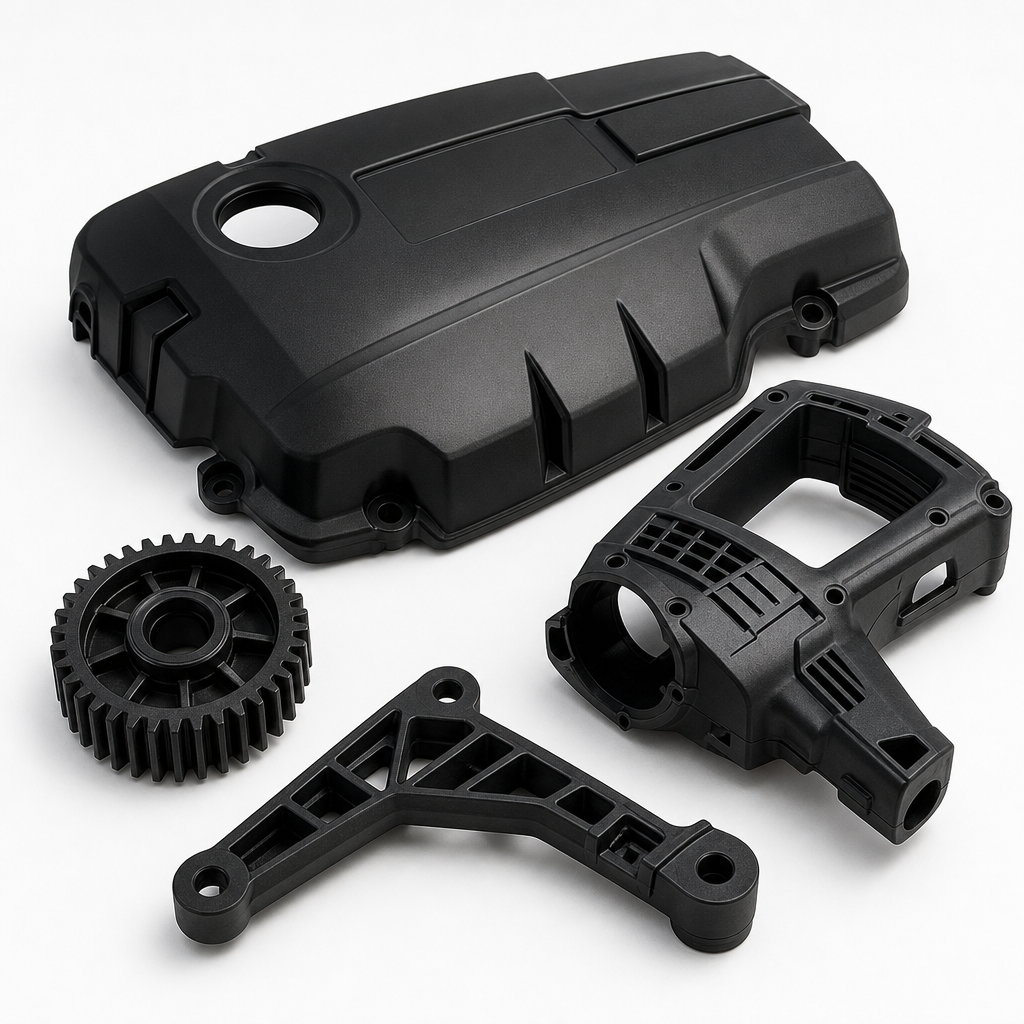
Fan shrouds, structural housings, brackets and selected under-hood components.
Pump bodies, impellers, machine housings and load-bearing supports.
Housings, connectors and supports when the grade meets the required electrical and flammability ratings.
Stiff housings, frames and mechanical components where fiber orientation and surface finish are controlled.
당사의 엔지니어링 플라스틱 공급에 관하여
As an ISO 9001 certified engineering plastics manufacturer and exporter, we produce PA6 GF30 in heat-stabilized, impact-modified, UV-stabilized and color-matched variants. For the selected formulation, our technical team can provide the matching datasheet, batch-specific certificate of analysis and applicable RoHS, REACH or UL documentation. Send your target properties, annual volume and delivery destination to discuss a standard grade or custom formulation.
Need a PA6 GF30 datasheet for your application or a quotation for supply? 팀에 문의 — specify your volume, delivery destination, and any special requirements (color, certification, impact modification). The current datasheet and quotation scope are confirmed for the selected grade and requirements.
자주 묻는 질문
Is PA6 GF30 one standardized material?
No. PA6 GF30 identifies a PA6 material family with a nominal 30% glass-fiber level. The additive package, resin viscosity, fiber system and conditioning state vary by commercial grade, so compare the complete TDS and validate the molded part.
Is PA6 GF30 the same as PA66 GF30?
No. Both contain nominal 30% glass fiber, but PA6 and PA66 use different base polymers. They differ in melting and heat performance, moisture response, processing window and grade availability.
Is standard PA6 GF30 flame retardant?
Not automatically. A standard grade and a PA6 GF30 FR grade are separate selections. Confirm the exact UL 94 rating, specimen thickness and certification for the chosen commercial grade.
PA6-GF30 데이터시트에서 확인해야 할 주요 특성은 무엇인가요?
Check tensile strength, flexural modulus, the named impact method, HDT test load, density, shrinkage and specimen conditioning. As a named example, WHG30A lists 165 MPa tensile strength (ISO 527-2), 6,000 MPa flexural modulus (ISO 178) and 175°C HDT (ISO 75-2/B, 0.45 MPa). Do not treat the cross-supplier ranges as guarantees for WHG30A.
PA6-GF30 데이터시트의 강도 수치가 공급업체마다 다른 이유는 무엇인가요?
Glass fiber type and length, coupling system, base resin, additives and conditioning can change the result. Compare values measured by the same method and conditioning state; there is no universal percentage allowance that makes two grades equivalent.
제 설계에 PA6-GF30 데이터시트의 수치를 어떻게 해석해야 할까요?
Choose dry or conditioned data to match the part’s actual service environment, then validate critical dimensions and loads on molded samples. The WHG30A PDF does not state conditioning. Set design margins from the part loads, environment and failure consequences; the datasheet alone does not define a universal safety factor.
양질의 PA6-GF30 데이터시트에는 어떤 가공 매개변수가 포함되어 있나요?
Check the selected grade’s drying, melt and mold temperatures, moisture limit and injection settings. The WHG30A one-page PDF provides property data but no processing window; the parameters above are starting points for trials, not guaranteed WHG30A settings.
Technical Review and Data Sources
Technical author and reviewer: WanHan Technical Team
Last Technical Review: September 28, 2026
- WanHan PA6 WHG30A Technical Data Sheet is the source for the named WHG30A values on this page.
- ISO 1183, ISO 527-2, ISO 178, ISO 179, ISO 75-2/B and ISO 2577 are cited as printed in that TDS; noted method inconsistencies must be confirmed before approval.
- Cross-supplier values are reference ranges. Exact properties depend on grade, test method and conditioning; use the current grade TDS and representative testing for qualification.